








The world’s southernmost hazelnut processing plant set for full-capacity by 2027



Written and reported by Macarena Bravo


As Chile continues to lean on the newfound glory of hazelnuts, investments in the sector are now bearing fruit. This year marked the inauguration of the southernmost processing plant, located in the Andean country’s Los Lagos region.
The facility, expected to reach full operational capacity by 2027, seeks to become Chile’s stepping stone for production, processing, and trade.
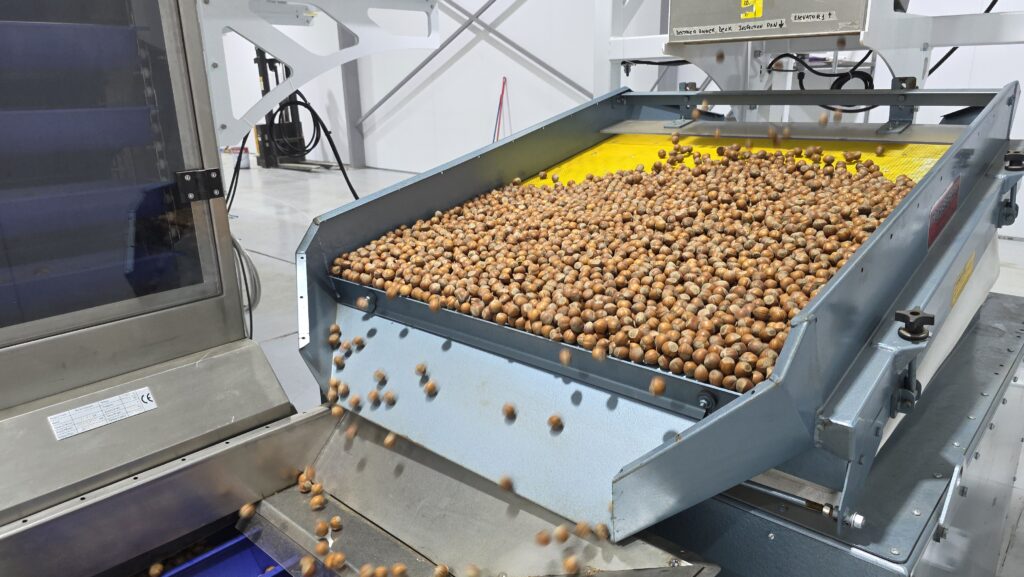
The facility will process fruit from the Los Lagos and Los Ríos regions, integrating key stages of the supply chain in a single location, including washing, drying, shelling, and sorting.
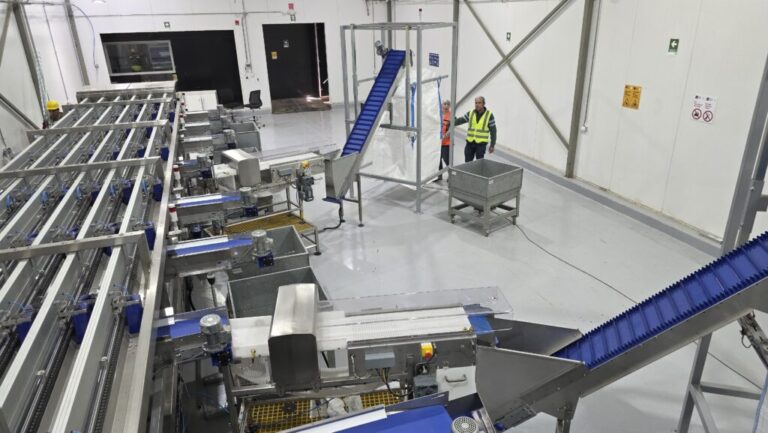
Jorge Mohr, director of Nefuen and Grupo Hijuelas, told FreshFruitPortal.com that during its April debut run, the plant operated at 50 percent capacity and processed roughly 8.8 million pounds of hazelnuts.
"We started with a double shift, and it went very smoothly. The processed volumes and product quality all performed very well," he noted.
Mohr said that the facility reaches 22 million pounds at full operation, with estimates suggesting it could reach that benchmark during the upcoming season.
From Latin America’s southernmost corner to the world
Mohr stressed that the plant promotes market diversification, in a context in which a large portion of Chilean hazelnut production has relied on major buyers such as Ferrero.
In his view, the country already has key competitive advantages in production thanks to young orchards, modern agricultural practices, and high yields per acre. The remaining challenge is pairing those strengths with greater processing capacity and direct access to new markets.
Globally, over 90 percent of hazelnuts are traded as kernels across various categories. Supplying a processed product allows Chilean growers to connect with buyers who need raw ingredients ready for immediate integration into manufacturing lines.
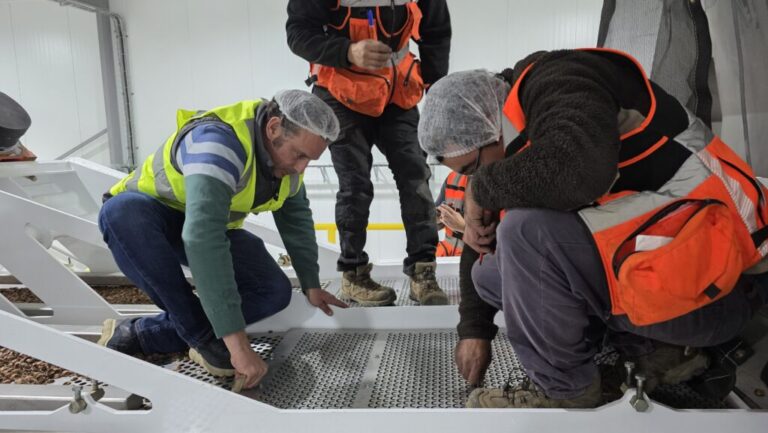
During its inaugural season, the plant handled fruit from approximately 25 growers, combining in-house production, third-party farmers, and growers using custom processing services.
"This is a healthy and necessary complement to the Chilean industry," Mohr noted.
The facility also works with various sizes and product categories, including fruit affected by mechanical damage or split during processing.
The executive noted that these products can be directed toward value-added applications, including hazelnut flour and paste.
According to the Mohr, the nut’s paste is by far the primary byproduct in terms of volume and commercial potential. The company is developing this business line in both Chile and Canada, while exploring export opportunities to Brazil and other markets and advancing commercial talks in Europe.
"The goal is to add value to the entire process and to all the products derived from the transformation chain," he explained.
The hazelnut challenge: Efficiency, genetics, and quality
Mohr argued that expanding hazelnut acreage in Chile must be matched by a greater focus on production efficiency.
He advised growers to adopt technologies that enable fast harvesting and drying, protect fruit quality, lower costs, and select the right genetics tailored to target markets.
In that regard, he highlighted a unique aspect of the hazelnut market: unlike other fruit crops, a larger size does not necessarily translate to higher returns.
Mohr pointed out that smaller hazelnut sizes ranging between 11 millimeters and 13 millimeters enjoy a particularly vast market thanks to the demand from major chocolate manufacturers. Consequently, genetic selection can dictate which markets a crop can ultimately enter.
"That fundamentally comes down to planting the right cultivars," he said.
Despite today's favorable pricing environment, the executive cautioned that conditions could shift as supply increases, though long-term, he believes the business remains highly attractive.
*All images courtesy of Grupo Hijuelas.
Related stories
Chilean cherry sector urges caution as growers weigh switch to hazelnuts











Subscribe to our newsletter