


Why Gen Z avocado purchases are rising—even as novelty fades
 Add Fresh Fruit Portal to Google
Avocados may be losing some of their shock value among Gen Z, but their place in the grocery basket remains firm. A May Foodservice Insights report by the Hass Avocado Board (HAB) noted a six percent decrease in both awareness and trial for the segment, suggesting that the avocado toast craze that once pushed the green gold fruit to the top of shoppers’ lists may be coming to an end.
However, Circana experts agree that the category has entered a more nuanced stage, where opportunities remain ripe for the taking.
According to the intelligence firm’s Complete Wallet Consumer Panel, Gen Z has increased avocado unit purchases by more than 14 percent year on year, outpacing other generations.

Image by Shutterstock
Bailey Furtado, Fresh Foods senior industry analyst at Circana, told FreshFruitPortal.com that the company's data also confirms an expanding Gen Z presence in the category, with both total avocado buyers and repeat buyers (consumers who purchased avocados at least twice during a set period of time) growing by more than 10 percent year on year.
“The household penetration rate for avocados, at least from a Gen Z perspective, is already over 72 percent. I wouldn't call it a mature category; I think we're over that main hump of awareness,” she explained.
The delicate balance of financial pressure and the pursuit of quality
Although Gen Z is buying more avocados, purchase frequency still lags behind other age groups. The challenge comes as young shoppers navigate financial pressures, with 75 percent of consumers in the segment saying that they are merely “getting by,” according to the HAB report.
"They're cutting out things that aren't important to them, but they're still keeping items and moments that make them feel good. But it’s important to note that this upcoming generation still budgets for items with higher price tags if those products offer a personal or health benefit," Furtado said.

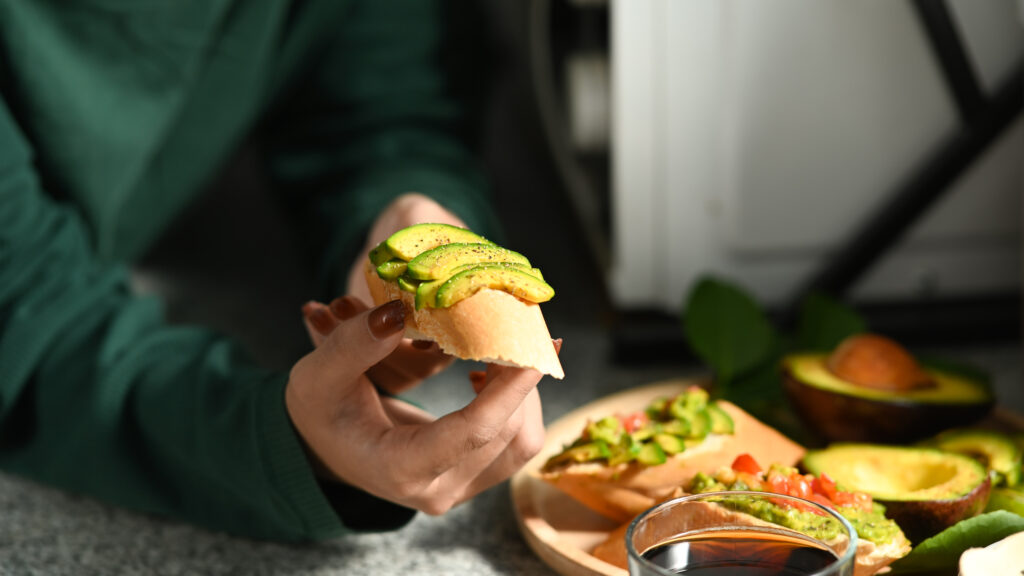
Image by Shutterstock
For fresh produce, she said, products that clearly communicate nutritional benefits may connect better with younger shoppers. She cited in-store displays that prominently feature protein content as an example of effective merchandising.
"One thing I think the avocado industry, and the entire industry, can take hold of is deciding what nutritional benefits we want to point the consumer to," she said.
Clean labels and convenience can coexist
A well-established preparation, guacamole is often the star of football season and a staple at social gatherings. While HAB’s report reflects steady awareness, trial and affinity for the traditional Mexican recipe, growing emphasis on whole foods, and ingredient transparency could have implications for the store-bought version.
“I think there's still a need for consumers to have a ready-prepared item that they can just grab and check out very quickly instead of preparing it on their own. But if retailers are making their in-house guacamole, it's important to make sure that it is made with whole foods,” Furtado said.
From a marketing perspective, retailers can meet both needs by promoting whole avocados alongside traditional guacamole ingredients.
“Gen Z is still very much in that influential stage. That is the opportunity to really continue education and awareness on how avocados are going to be important for this generation to continue buying,” she indicated.
Basket data can guide cross-merchandising
Retailers and suppliers developing cross-merchandising strategies for different consumer groups can benefit from Circana’s co-purchase reporting, Furtado stressed.
The data helps identify which products shoppers buy alongside avocados, providing insight into how consumers use the fruit and which secondary displays or promotions may be most effective.
Tomatoes, onions, and limes remain natural pairings for guacamole preparation. However, newer combinations may reveal additional opportunities, including pairing avocados with mangoes or products associated with protein-focused meals.
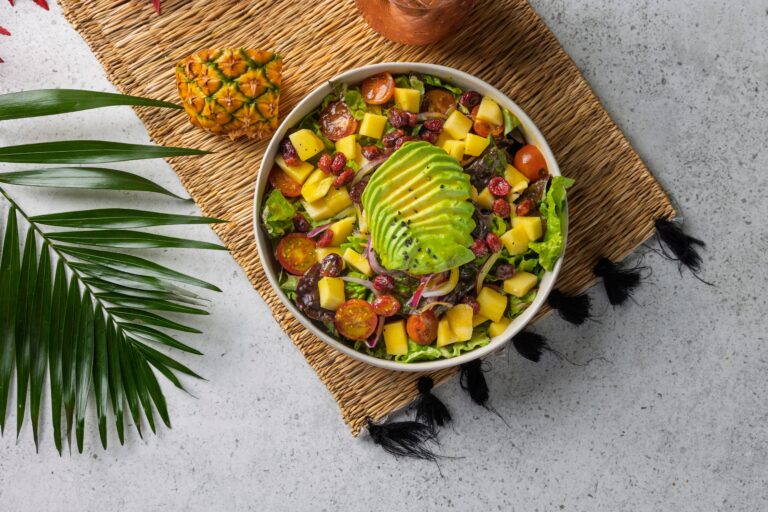
Image by Shutterstock
Furtado cited emerging combinations involving ground beef, rice, avocados, and cottage cheese as examples of how younger consumers are incorporating the fruit into everyday eating habits.
For the avocado industry, Furtado explained, the data points to a shift in emphasis. Rather than concentrating solely on awareness, companies can focus on understanding how younger shoppers use the fruit, communicating its nutritional benefits, and making it easier to include in more meals.
“I think the one thing to remember for fresh produce is that strategy can change every single day. Consumers change every single day. Their feeds on social media are filled with new trends and data every day, so having a fresh perspective and maintaining a consumer-focused vision and strategy is essential,” she concluded.
*All photos are referential via Shutterstock.
Related stories
Gen Z and millennials drive digital shift in $97B produce market, FMI report finds
Gen Z and millennials: Key demographics needed to revive pear consumption