


US kiwifruit availability set to hit historic high amid surging imports
 Add Fresh Fruit Portal to Google
Fresh kiwifruit availability in the United States is poised to hit an all-time record during the 2025/26 season, according to a September 2026 report by the US Department of Agriculture’s Economic Research Service (USDA ERS).
The unprecedented supply milestone comes on the back of rising consumer demand across retail, paired with an aggressive expansion in international shipments to complement declining local production.
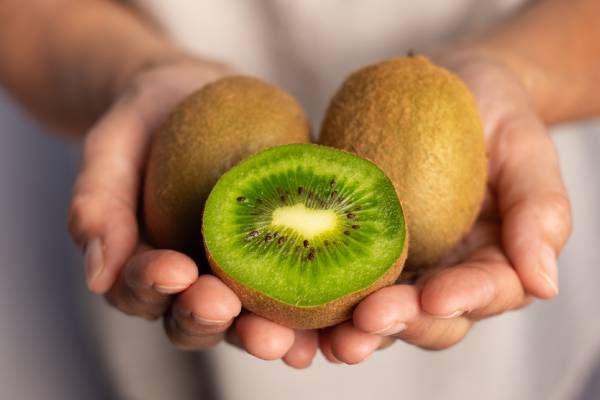
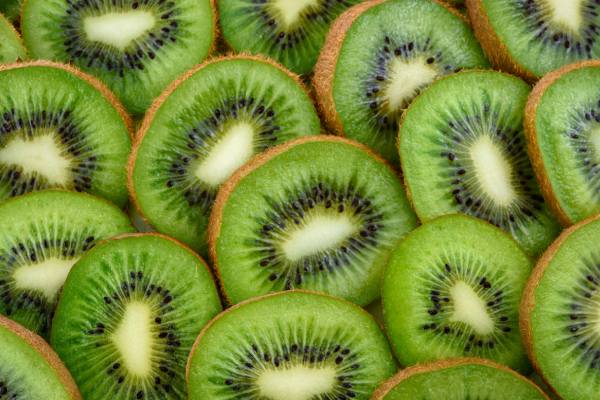
Image by Shutterstock
While appetite for the fruit continues to grow, shifting dynamics in both domestic acreage and foreign trade are transforming how the category reaches supermarket shelves.
US kiwifruit production contracts
US kiwifruit production is experiencing downward momentum. California, which accounts for virtually all commercial production in the country, has faced smaller crops over the past two seasons due to weather fluctuations, escalating production costs, and tighter margins.
For the 2025/26 season, USDA ERS estimates point to another subdued domestic crop, forecast at 66.1 million pounds and down seven percent year on year.
Varietal dynamics are also shifting. While the traditional green Hayward cultivar remains the foundation of Golden State volume with an 84 percent market share, acreage patterns show a growing proportion of new varieties such as Red, Mega, and Gold.
Image by Shutterstock
Imports climb to fill the void
With domestic harvests falling short of rising retail appetite, offshore suppliers have rapidly filled the gap.
Imports now represent over 80 percent of total fresh kiwifruit in the United States, driving overall availability to its highest level on record: more than one pound of kiwifruit per capita
The import landscape relies almost entirely on four key global origins that create a complementary year-round supply calendar: New Zealand, Chile, Greece, and Italy.
During the Northern Hemisphere's late spring and summer months (May through October), Southern Hemisphere growers dominate the market. New Zealand is the primary foreign player, currently supplying 50 percent of the market since the start of the season. Meanwhile, Chile ships consistent counter-seasonal green Hayward volumes, accounting for 17 percent of US kiwifruit imports.
Image by Shutterstock
As Southern Hemisphere shipments wind down in late autumn, Northern Hemisphere Mediterranean exporters step in. Greece and Italy ship heavily from November through April, working alongside California's domestic inventory to maintain continuous retail coverage through the winter.
*All images are referential via Shutterstock.
Related stories
Zespri launches Rubyred Kiwifruit nationwide in the US and Canada