


South African apple sector set for 2026/27 rebound
 Add Fresh Fruit Portal to Google
The South African apple industry is looking to turn the page on a weather-disrupted season. Younger orchards, improved management, and growing demand in Asian markets are expected to drive a recovery in both production and exports, a recent report by the US Department of Agriculture’s (USDA) Foreign Agricultural Service (FAS) says.
Commercial apple production is forecast to increase seven percent to 1.35 million metric tons, up from an estimated 1.26 million metric tons, the document notes.
"FAS Pretoria contacts note that the 2026 winter was warmer than usual, so harvest will likely start 10 to 14 days earlier,” the assessment says.
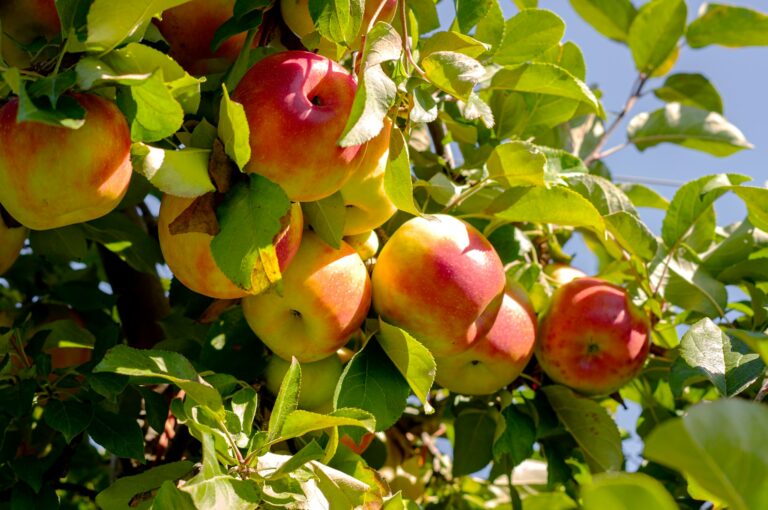
Photo by Josephina Kolpachnikof via Unsplash
Apple exports are also projected to grow, rising four percent to 780,000 metric tons. FAS explains that increased availability of export-quality fruit and continued demand for South African varieties in key international markets are boosting the category.
The outlook follows a challenging 2025/26 season marked by severe storms, hail damage and flooding in major growing regions. However, strong production in Elgin, Grabouw, Vyeboom, and Villiersdorp helped limit the overall impact.
“In May 2026, Ceres received about 507 millimeters of rain, well above the long-term May average of 80 millimeters. Some growers could not reach their orchards, preventing harvest of late varieties such as Pink Lady and Cripps Red. Growers finished harvesting in June, later than usual,” the report notes of the weather adversities.
Modernized South African apple orchards spearhead recovery
With trees aged four to 10 years now accounting for 28 percent of South Africa's apple orchards, the sector is poised for a much more fruitful season, FAS notes.
But beyond younger orchards, the industry is also continuing to modernize its cultivar mix, shifting away from traditional green varieties such as Golden Delicious and Granny Smith toward red and bi-color apples. Newcomers include Royal Gala, Cripps Pink/Pink Lady, Fuji, and Cripps Red/Joya.
"Additionally, the Bigbucks variety has recently gained favor among producers due to its strong reception in key export markets, such as China and India," FAS says.
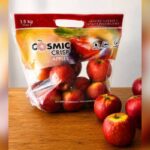
Meanwhile, growers commercially introduced locally produced Cosmic Crisp apples to the domestic market for the first time in September 2026.
Investments in hail netting and controlled-atmosphere storage facilities are also supporting the industry's long-term productivity and market flexibility.
China and India drive export opportunities
Asia remains an important growth opportunity for South African apple growers, particularly China, where a bilateral zero-tariff policy took effect May 1 of this year, eliminating the previous 10 percent duty.
As a result, shipments to China increased 52 percent year to date through August 2026, with Fuji, Royal Gala, and Flash Gala accounting for much of the growth.
India also recorded a 52 percent increase in South African apple shipments over the same period, despite exporters facing a 50 percent import duty.
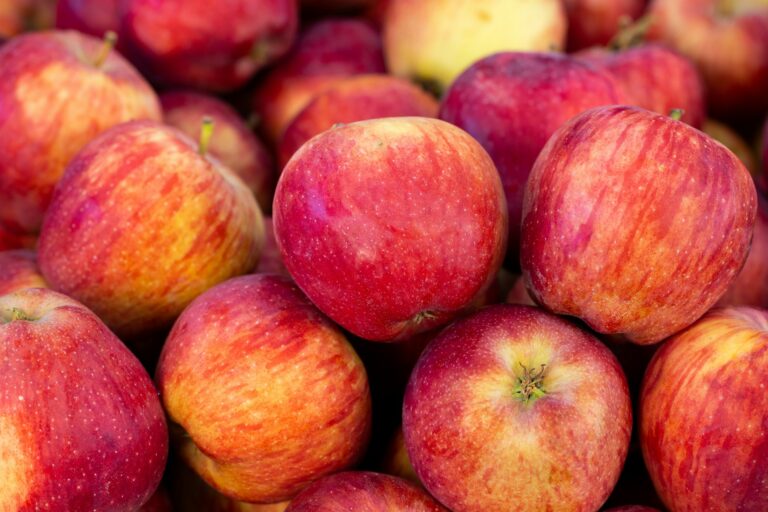
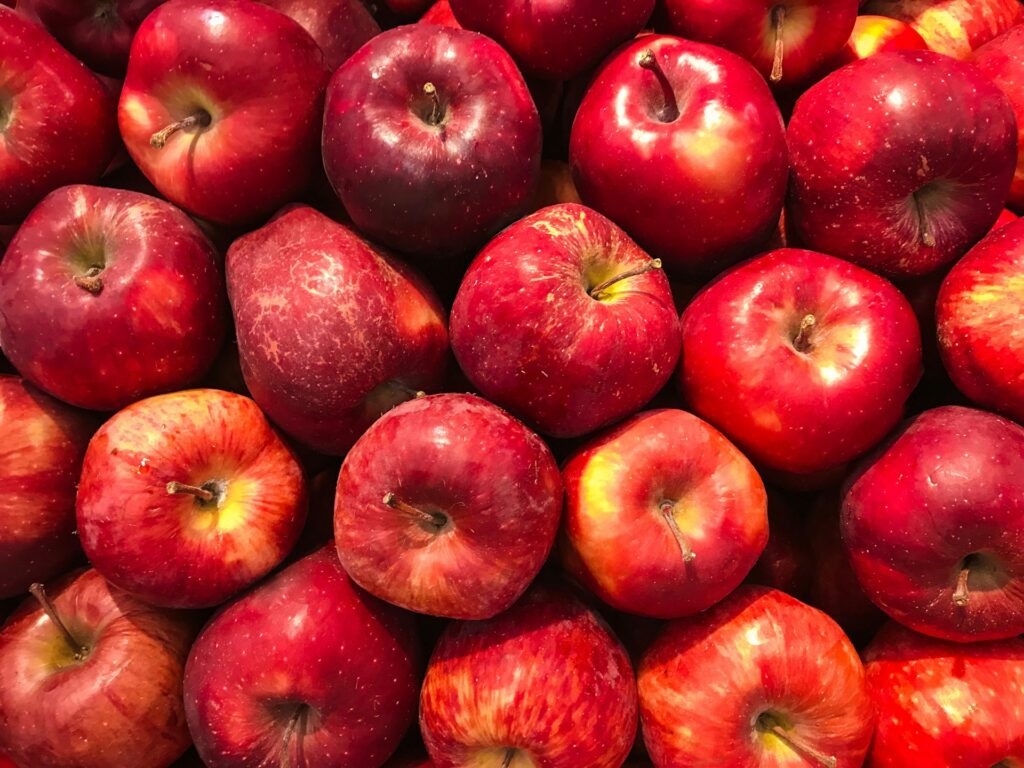
Photo by Engin Akyurt via Unsplash
Africa remains the largest regional destination, accounting for approximately 39 percent of South African apple exports.
“South Africa exports mainly Golden Delicious to West African countries such as Nigeria and Senegal, while to East African countries, such as Kenya and Tanzania, exports are comprised of varieties such as Royal Gala, Cripps Red, Cripps Pink, and Pink Lady,” the document notes.
The United Kingdom accounts for 12 percent of exports, while the European Union represents another nine percent. Both remain duty-free markets under reciprocal trade agreements. South Africa is the leading off-season apple supplier to the UK and ranks second behind Chile in the EU.
Southeast Asia also offers opportunities after South Africa restored apple market access to Thailand in 2024, FAS says.
"As a result, South Africa exported its first shipment of apples to Thailand in 2025. Marketing year 2024/25 export volumes were 861 metric tons, making South Africa the fifth leading supplier," the report indicates.
Exports to the US remain relatively small, reaching approximately 1,400 metric tons year-to-date in 2026. South African apples face a 13 percent US import duty.
*Main photo by Matheus Cenali via Unsplash
Related stories