



US pear exporters face stiff competition in India despite Green Bartlett success
 Add Fresh Fruit Portal to Google
India's expanding pear market may offer juicy opportunities for international suppliers, but exporters in the United States face a significant challenge in securing a larger market share.
Despite Green Bartlett pears’ popularity among Indian consumers, the US accounts for just two percent of the country's fresh pear imports, trailing South Africa and Chile.
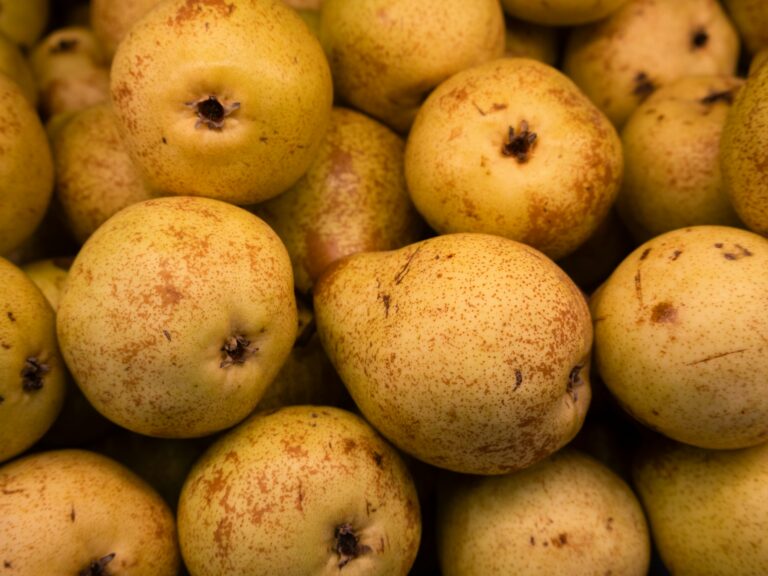
Green Bartlett pears | Photo by Ryan Rodrigues via Unsplash
According to the US Department of Agriculture’s Foreign Agricultural Service (FAS) Fresh Deciduous Fruit Annual report, US pear shipments to India totaled 500 metric tons in 2025/26.
In comparison, South Africa accounted for 77 percent of India's imported pear market, while Chile held a 12 percent share. The United Arab Emirates followed with eight percent, largely through re-exports, while Argentina represented approximately one percent.
The former’s dominant position reflects more than its product offering. India approved in-transit cold treatment procedures for South African pears, helping reduce transit times and improve quality upon arrival. Pricing also favors the African country.
“South African pears commanded the highest average price at $887 per metric ton, reflecting their superior quality and consistent availability," FAS notes.
Green Bartlett still in the running
Despite their relatively small market share, US exporters have an established product in India. Green Bartlett pears remain popular with Indian consumers because they resemble domestically grown varieties, the assessment notes.
However, US Bartletts face competition from South African Packham and Forelle pears, as well as Chilean Packhams. These varieties have established positions in the import market, giving competing origins an advantage in an increasingly crowded supply landscape.
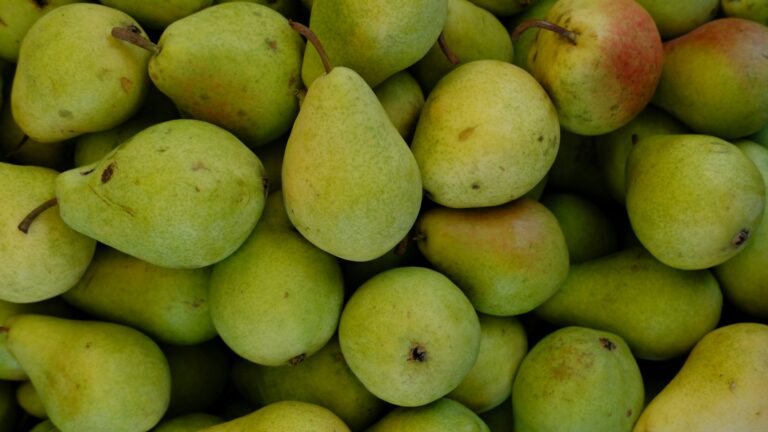
Photo by Mary Borysova via Unsplash
In addition, because India lacks the supporting infrastructure for industrial products such as juice, purée, and canned products, approximately 98 percent of pears consumed go to the fresh market.
Further feeding this trend, the South Asian country is forecast to import 35,000 metric tons of fresh pears in 2026/27, up three percent year on year. Consumption is forecast to reach about 350,200 metric tons in 2026/27, up from 347,640 metric tons in the previous marketing year.
Domestic production, meanwhile, is expected to increase only marginally to 315,500 metric tons, leaving imports an important role in meeting demand.
*Main image by David Trinks via Unsplash
Related stories