


University of Georgia researchers develop smart lighting system to cut greenhouse energy use
 Add Fresh Fruit Portal to Google
Researchers at the University of Georgia (UGA) are forgoing preset lighting schedules to develop an automated LED system that responds to plants’ real-time photosynthetic activity.
The technology aims to improve energy efficiency in controlled environment agriculture (CEA) by delivering supplemental light only when crops need it, while also helping growers cut input costs.
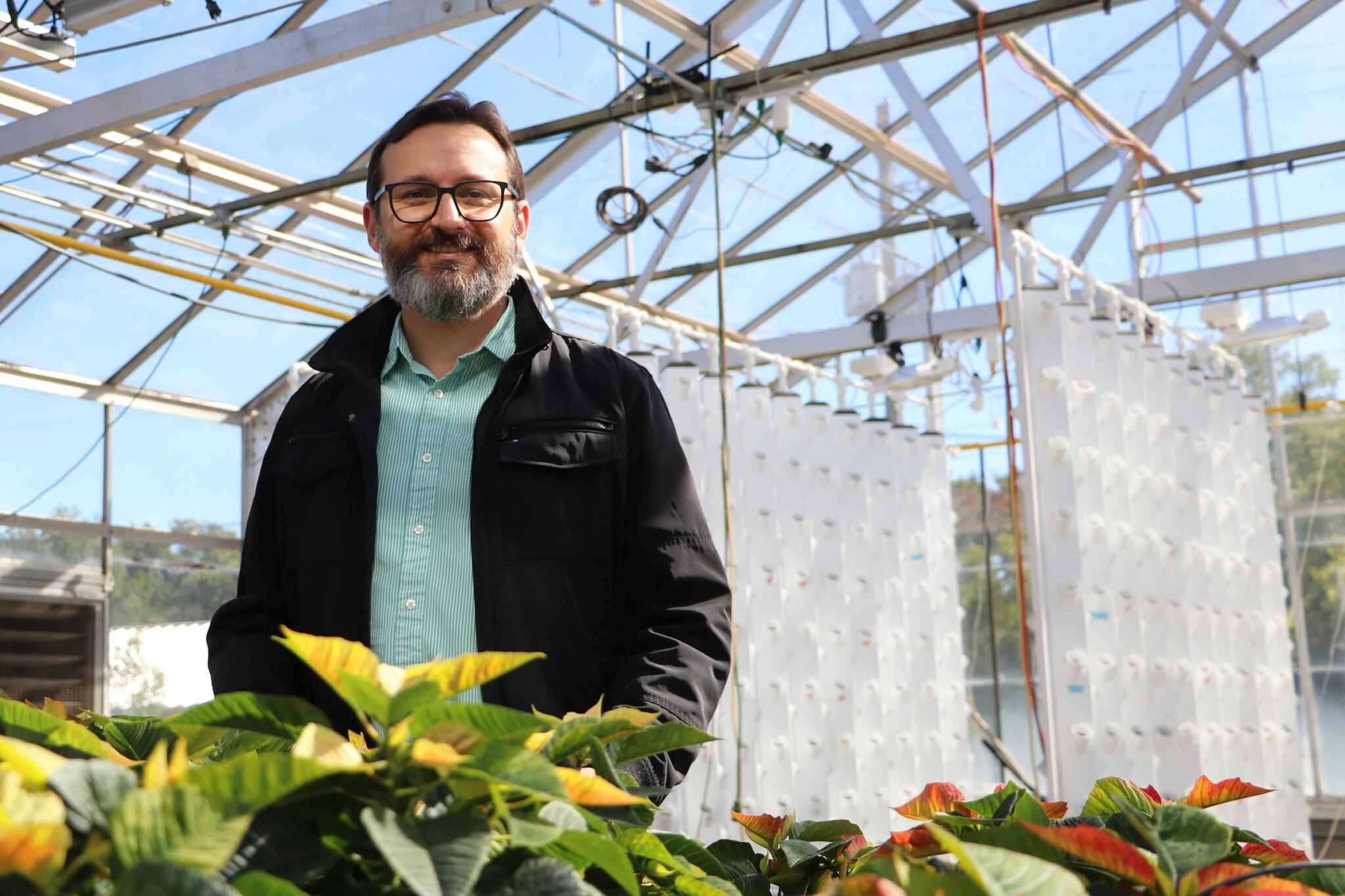
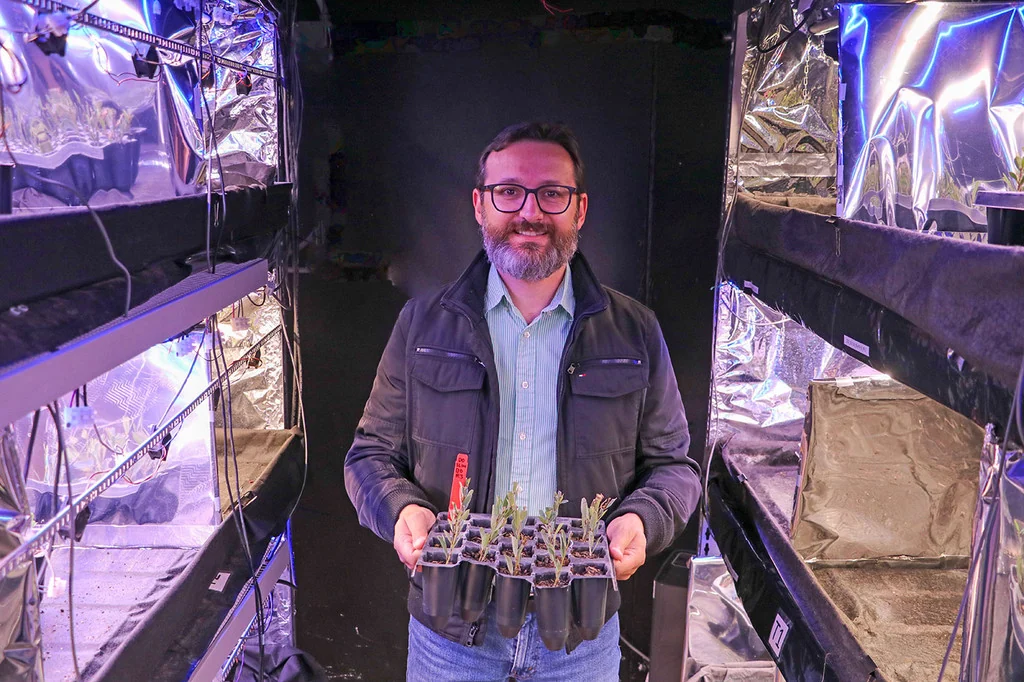
The research team, led by Rhuanito Soranz Ferrarezi, a horticulture professor at UGA’s College of Agricultural and Environmental Sciences (CAES), is using a grant from the United States Department of Agriculture’s National Institute of Food and Agriculture (NIFA) to validate the system and explore its commercial potential.
Smarter lighting decisions
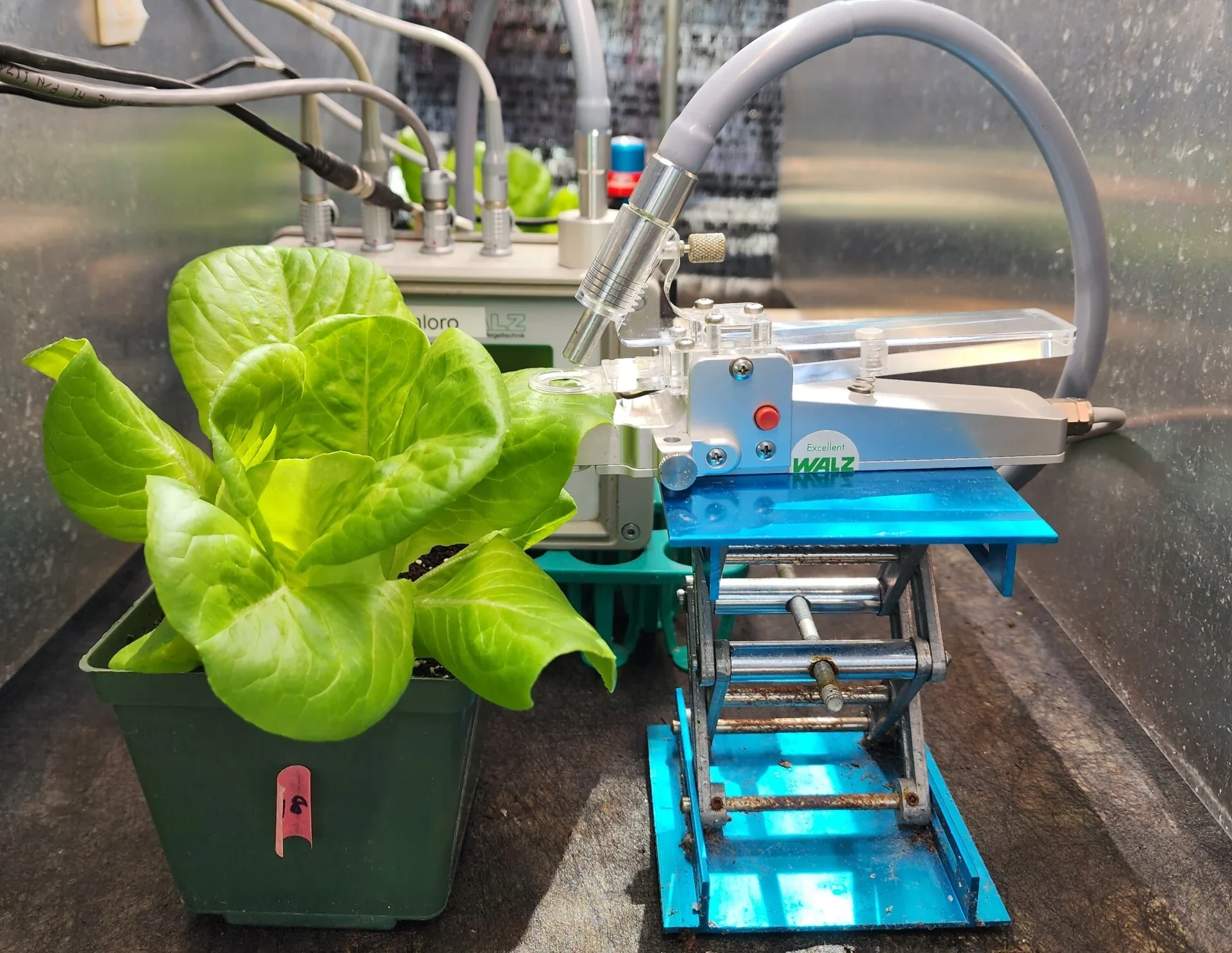
The innovative system uses chlorophyll fluorescence, a faint emission that occurs when plants dissipate excess energy they cannot use for photosynthesis. This cue helps scientists determine whether crops need additional light.
By combining a commercial fluorometer with a data logger and automated controls, the researchers created a biofeedback system that adjusts LED intensity according to plant activity.
“When the light levels are below a certain threshold, the LED lights get brighter. We want to guarantee LED lighting is triggered by what plants need; not by a calendar, not by a timer,” Ferrarezi explained to UGA’s Field Report.
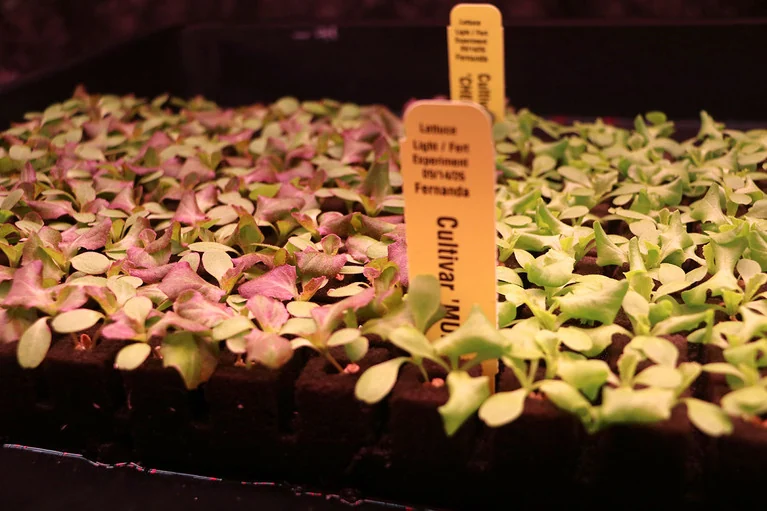
Initial trials have included several crops, particularly lettuce. According to the research team, the system maintained consistent yields while reducing power usage.
Commercial rollout still in the works
Scaling the technology, however, will present additional challenges.
Unlike controlled growth chambers used in Ferrarezi’s lab, greenhouses experience rapid fluctuations in natural light. Temperature, humidity, vapor pressure deficit, and differences in greenhouse covering materials, including glass, plastic, and polycarbonate, also influence system performance.
“What we are trying to find is a way to actually guarantee that the system turns on and off dynamically,” Ferrarezi said.
The team is expanding trials beyond leafy greens to include fruiting crops such as cucumbers and tomatoes, as well as ornamental plants.
“We can validate something in the lab, but I’m interested in trying to combine the factors that growers face in the real world,” said Ferrarezi, who is focusing on a systems approach to the research. “How do I explain that my system works or does not work if I have five other variables influencing the results? That is the challenge.”
According to the American Council for an Energy-Efficient Economy, electricity accounts for an estimated 30 to 50 percent of operating budgets in some CEA operations, rendering Ferrarezi’s work especially relevant amid rising input costs for growers worldwide.
“Our goal is to take the guesswork out of controlled environment agriculture,” the expert stressed. “By integrating artificial intelligence with real-time plant physiology, we are building tools that allow growers to maximize yields, enhance quality, lower operating expenses, and adopt more sustainable practices.”
*Photos by UGA.
Related stories