


Global orange supplies face tighter squeeze in 2026/27
 Add Fresh Fruit Portal to Google
Juice processors supplying the United States market are looking at a sour squeeze in 2026/27. Combined orange harvests across Brazil, Mexico, and the US are projected to decline by a combined seven percent, according to the Florida Department of Citrus (FDOC) most recent outlook.
Brazil is expected to produce 323.2 million boxes, followed by the US at 47 million boxes and Mexico at 37 million boxes. The South American country continues to lead global orange juice exports, supplying markets across Europe, North America, and Asia.
Orange juice production in São Paulo and the West-Southwest Minas Gerais Citrus Belt, Brazil's primary orange-growing region for processing, declined approximately 10 percent year on year.
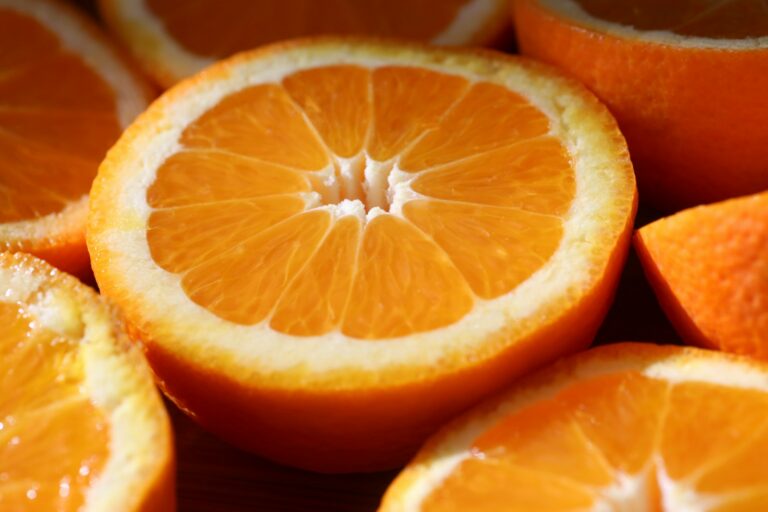
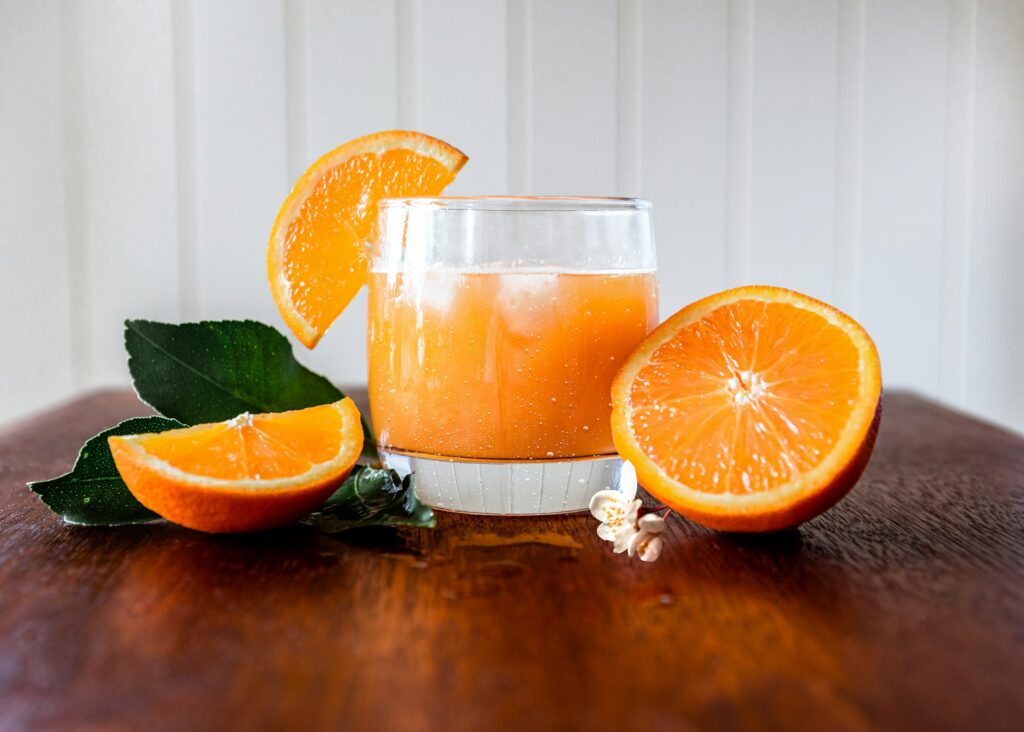
Photo by Giorgio Trovatovia Unsplash
Beyond lower fruit yields, the amount of fruit going into processing has also been forecast to decline.
"The data suggests that approximately 74 percent of production in these countries will be utilized for processing, which represents a projected 10 percent decline over last season," the assessment notes.
Mexico increases processing and export focus
Mexico remains the world's second-largest orange juice exporter. Its share of production directed to processing and overall juice exports has increased incrementally in recent years as global supplies have declined.
Although Mexico remains a net exporter, domestic fresh consumption still accounts for most of its orange production. Additionally, changing market dynamics have prompted processors to take a larger bite out of fresh supplies.
“Favorable prices and supply shortages in the United States over the last decade continue to displace fresh utilization in favor of the processed export market. Between 80 and 83 percent of Mexican exports are destined for the US market,” the report notes.
US orange utilization also shifts toward processing
Florida is currently the US’s top citrus-producing state, and the FDOC outlook estimates that approximately 90 percent of the Sunshine State’s orange crop will go to processing in 2026/27.
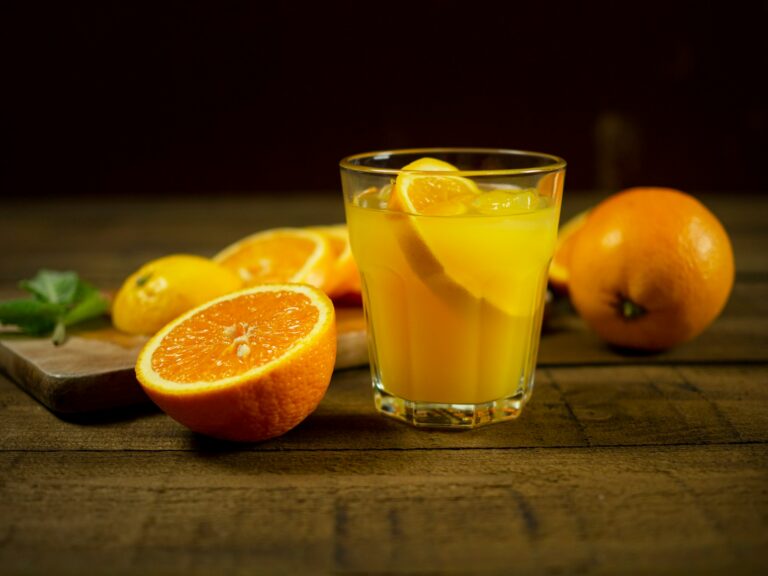
Photo by Mateusz Feliksik via Unsplash
However, local growers have continued to grapple with challenging production conditions, including the ever-present threat of citrus greening disease and recent floods.
While California and Texas complement production, their crops have traditionally been directed primarily to the fresh market. Historically, approximately 80 percent to 85 percent of oranges from those states went to fresh consumption.
However, processors have increased their share of California and Texas oranges in recent years to help meet US demand amid supply constraints.
*Main photo by Sandie Peters via Unsplash
Related stories
South Africa reports slight drop in citrus exports after challenging season