







Jennie Coleman, Equifruit CEO: "You can't have it both ways—sustainable production costs something"
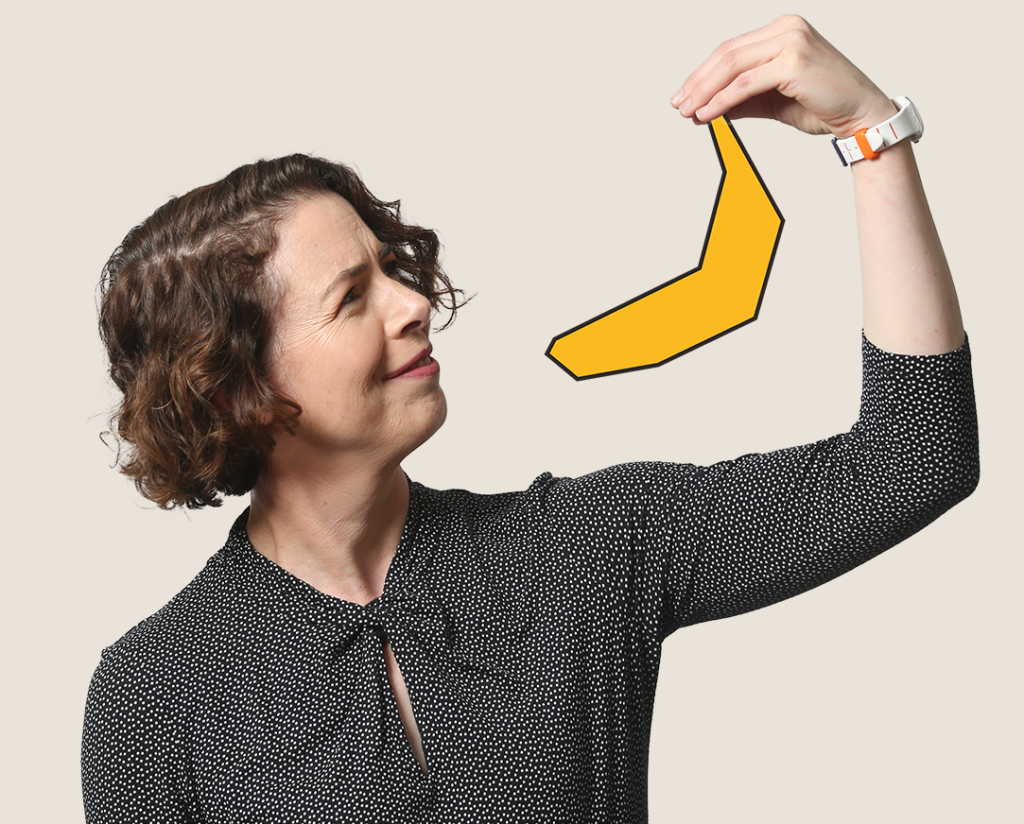



Jennie Coleman, Equifruit's CEO, says the company stands out as North America's leading fair trade banana importer and as a "marketing powerhouse."

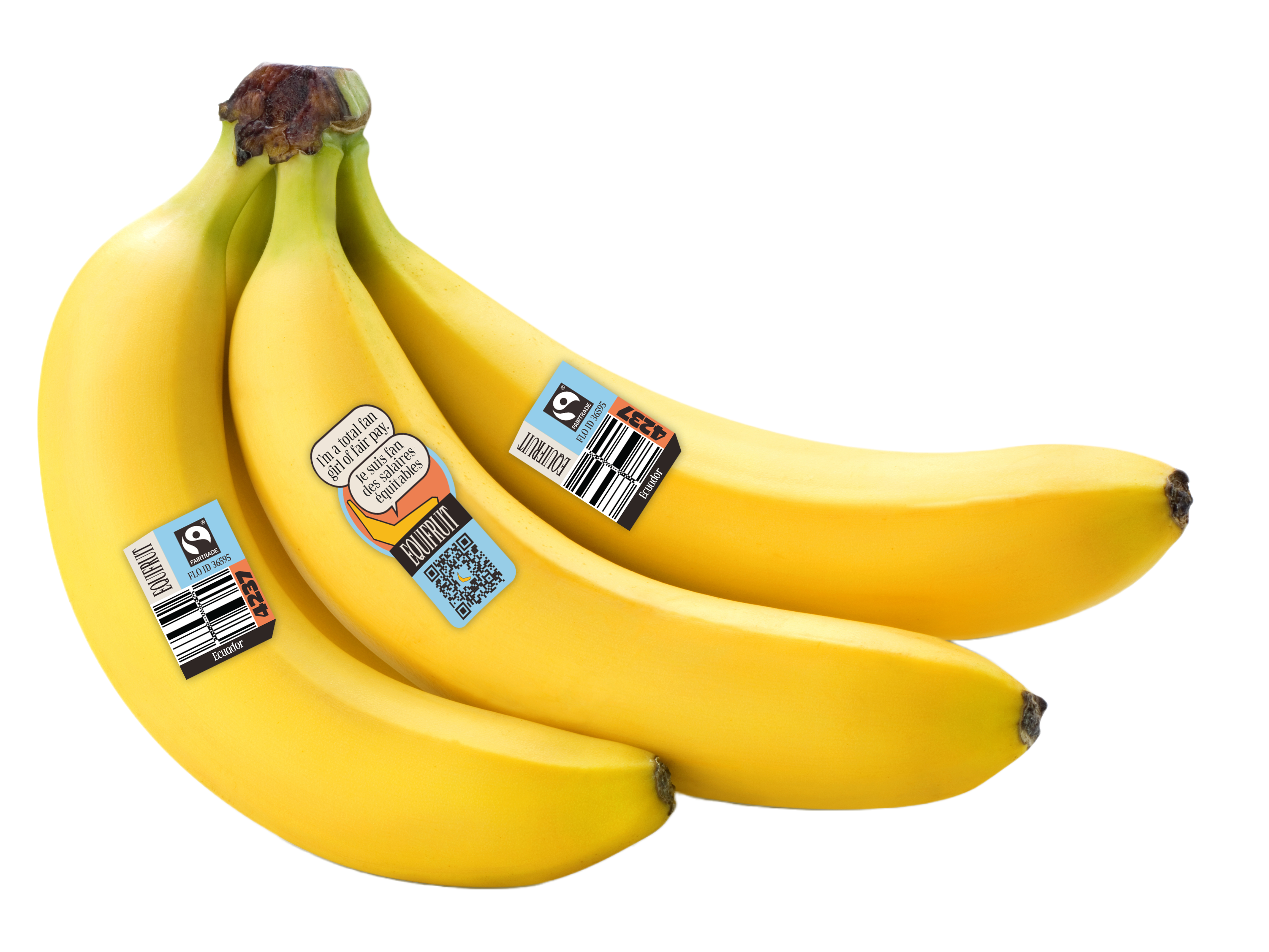
Since its establishment in 2006, the company's bananas have come from Fair Trade International-certified farms in Ecuador, Peru, Colombia, and Mexico. Which means that all involved in the production chain are paid a fair price for their work.
Coleman purchased the business from the company's founders in 2013. Since then, she has not only remained passionate about its original core mission but has also become a major voice for fair trade in the banana industry.
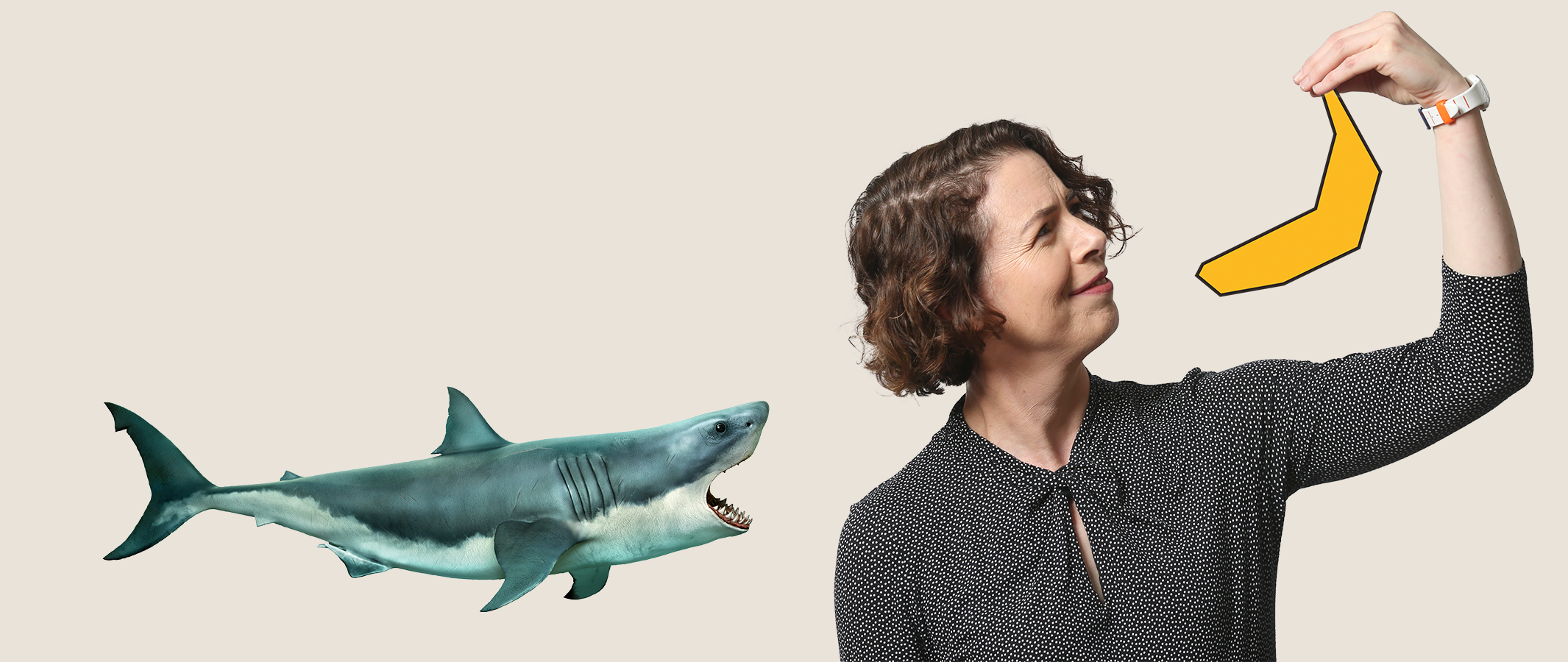
A definite highlight of the brand is its colorful, fun-first marketing approach. Scroll down their website and you'll find a shark eating a cartoon banana and the same banana having a conversation with a red circle. This is definitely not your mother's fruit company.
Tell me about Equifruit's core value
We're 100% fair trade. We have been since the beginning—since that very first container came into Montreal in December of 2007, and we were aiming for global fair trade banana domination. We want to change the banana industry; we want fair trade to be the basis for responsible procurement across the world.
We want to grow not only because of some internal financial goal. But rather because we know that the more we grow, the more we sell, the more impact we're having, and the more we will get to a stage where the impact we're having is a material one, where the change becomes permanent for the market.
What does fair trade look like in the banana industry?
For Fair Trade International-certified fruit, there is a minimum price set per case to represent the cost of sustainable production. We look at an average of their cost of production as long as they're following the standards of fair trade.
It doesn't mean that this is the maximum price. It just means that this is a floor price that we will never go below. And so, the growers who are members of the World Banana Forum advocate for that fair trade minimum price to become global minimum prices.
And you agree with that methodology?
I do agree. I think that the delta between fair trade minimum prices and non-certified market pricing indicates to me that there are corners cut with non-certified pricing. And you can't have it both ways—sustainable production costs something.
If I get approached by a seller, a grower, an exporter, or a broker, and they come in at a super low price, I have a totally opposite reaction than some buyers might. I think to myself, "Well, how did you get that so low? What did you cut to get such a low price?" Because I know what the elements of production are.
But why is this a big pillar for the company and you as a CEO?
What differentiates Equifruit is that, in a way, our value added to the market is our values. Our values, from a commercial, trade, and supply chain perspective, are all encapsulated by the framework of fair trade.
Equifruit exists to have a fairer distribution of value, to give a better shake to small growers and plantation workers who, for generations now, have been cut a very, very small slice of that value chain.
You said the brand's marketing is a powerhouse. How did the brand come up with it?
I think that all humans like to laugh, and no human likes to be preached at. When I first came on board at Equifruit, I kind of inherited the marketing approach of my predecessors; it was very, very earnest, to the point where you kind of overcommunicate about the problems of the banana industry and the benefits of fair trade.
But, we did a big rebranding exercise in 2020 and we took a different route.
I could talk about the problems and benefits until two weeks from Friday. There's no lack of information or interest in those things. But we have to imagine that not all consumers want that same level of information; that most people want to feel good about the choices they make, and have very little time to make them.
You might have a couple of seconds at the point-of-sale to convince somebody to choose your banana. And if you can do that with very short humorous tag lines and copy, then you've accomplished something.
What trends or developments do you think retailers and importers should pay closer attention to when it comes to the banana industry?
We've got to invest in a banana industry for the future. Bananas are North Americans' favorite fruit: Americans eat 27 lbs of bananas per capita per year, and Canadians eat 33 lbs. We want our children and grandchildren to eat bananas, but we have to make sure that we are investing in the future of the banana industry.
What are some major issues affecting bananas?
I would say that the main conversations are around, of course, the impact of climate on production, and how unpredictable weather patterns are going to affect supply. There's also a lot of emphasis on the containment of TR4.
Related stories:
Equifruit joins campaign to address gender-based violence
Press Release: The only banana you should buy costs less than one sock

Subscribe to our newsletter