








Canada faces ‘sour’ squeeze as orange juice prices climb
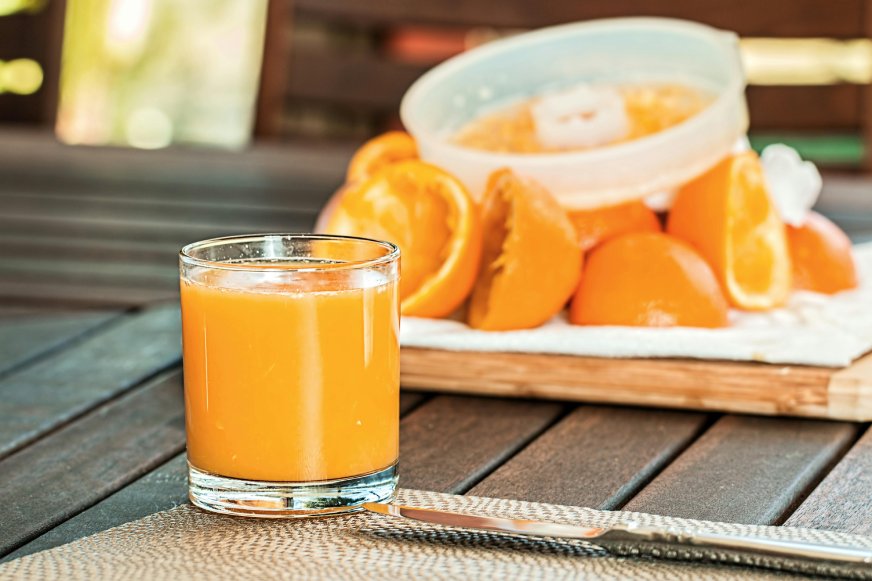



The duty debacle heard around the world is making its way to North American tables. A beloved breakfast staple, orange juice has experienced multiple woes in recent years, with hindered production among top suppliers and the resulting inflation putting further pressure on consumers’ wallets. Now, U.S. tariff hikes threaten to push prices even higher.

As a result, Canadian orange imports have declined significantly, hitting a 20-year low in June and scoring a 64 percent decrease in value. This changing trade landscape has prompted strategy shifts, according to Michael Graydon, Chief Executive Officer of Food, Health & Consumer Products of Canada. The group gathers small to large companies in the food and health segments, aiming to support Canadian consumers’ well-being.
Graydon explained to FreshFruitPortal.com that ongoing supply challenges—from crop disease and weather issues in key export countries to trade disruptions—are reshaping the Canadian juice market.
“Canada is exploring non-traditional origins, and there’s been some movement on smaller volumes from countries outside the usual players. But it’s not a silver bullet,” Graydon said. “Brazil, Spain, and the U.S. still dominate global orange juice exports, so when they hit weather or disease issues, it affects everyone.”
While some supply diversification is underway, Graydon noted that smaller exporters often lack the volume and consistency to serve as reliable alternatives. But there are other, faster ways to tackle this problem and manage supply and pricing pressures.
“The more immediate strategy is diversification through formulation, like blending with other citrus or fruits, rather than simply changing countries,” he said.
Tariffs will squeeze prices even further
A top orange juice producer worldwide, Florida has experienced less-than-ideal production in recent years. Adverse weather conditions—including not one, but two hurricanes—along with disease pressures, lowered 2023’s production to levels unseen since World War II. While 2024 brought some relief, 2025 projections have remained conservative.
The Sunshine State is a key trade partner for Canada, and production dips have already affected the orange juice lovers north of the border. Citrus greening disease, arguably the sector’s biggest foe, continues to tighten supply and push prices up. With tariffs rising to 35 percent since August 1, the breakfast commodity is set to face yet another hurdle.
“Orange juice was officially added to Canada’s list of retaliatory tariffs earlier this year, and that has added a new layer of complexity for importers,” Graydon said. “What’s needed now is predictability. That means carve-outs or exemptions for essential food inputs like juice concentrates, clear and consistent timelines for when tariffs take effect or change, and using frameworks like the Canada-United States-Mexico Agreement (CUSMA) to resolve food-sector frictions more efficiently.”
To address these concerns, Graydon noted that the industry is also working to maintain “transparency without panic”.
“Consumers are being made aware, through in-store messaging, advertising, and packaging, that supply is tight and prices are up because of real global issues, not just inflation,” he said. “Helping people understand their options, like trying blends, different pack sizes, or store brands, keeps confidence high and encourages smarter shopping decisions.”
Can product reformulation save Canadian orange juice lovers?
Innovation is already playing a central role in the Canadian market, Graydon stated. Low-sugar options, functional beverages, and nutrient-enhanced juices have also emerged as alternatives.
“Brands are shifting toward blends, like orange-mandarin, or adding other fruits to stretch orange content while keeping the flavor consumers expect,” Graydon said. “Even when real orange juice is harder to come by, flavor technologies help manufacturers keep a consistent taste and experience.”
Domestic citrus production remains impractical due to Canada’s climate, but local ingredients are increasingly used in blends. “We are seeing more local ingredients like apple or grape used in blends, which gives consumers options and supports domestic sourcing,” he added.
Retailers are also responding to the decline in U.S. imports by expanding private-label offerings and promoting shelf-stable options.
“Private-label products have gained more shelf space,” Graydon said. “These tend to be more affordable and give retailers more control over formulation and sourcing.”
Blended and ambient juice formats are becoming more common, driven by both supply constraints and evolving consumer preferences.


Subscribe to our newsletter