






Mexican avocado industry bets on sustainability, pledging the fruit will be “deforestation-free” by 2026
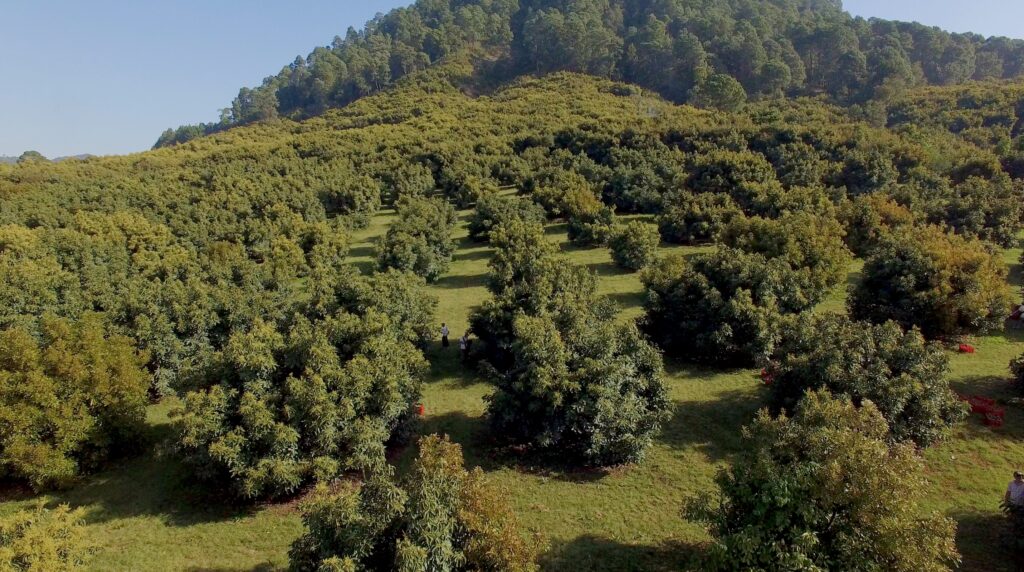



When the USDA lifted the ban on Mexican avocado imports in 1997, the green gold fever began. Today, the industry rakes in $7.5 billion in the U.S. and creates over 42,000 jobs. This continued market growth, bolstered by Mexico’s geographical proximity, has led to improved growing practices, as well as the possibility to tackle one of the fresh produce industry’s biggest challenges: sustainability.

As of late August, the Mexican government announced it will launch a zero-deforestation system for agricultural exports, scheduled to take effect in January 2026. This initiative is part of a broader strategic framework called the "Path to Sustainability," launched by the Avocado Institute of Mexico in April, and aimed at aligning agricultural practices with environmental conservation goals. The plan's goal is to ensure all produce exports are deforestation-free by 2030.
Tracking avocados from tree to toast
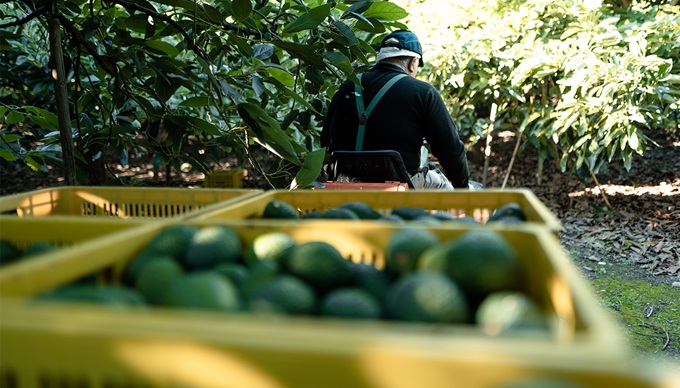
Ana Ambrosi, Director of the Avocado Institute of Mexico, explained to FreshFruitPortal.com that the industry currently comprises more than 35,000 small family farms and over 90 packers, with a robust traceability system that actively monitors the entire supply chain—from orchard to export.
“From the minute that the avocados are picked, to the moment they arrive in the U.S., the barcode can tell you the date of harvest, orchard location, and packing house,” she explained.
The industry’s traceability system is supported by a government-regulated work plan overseen by the USDA, requiring registration and compliance from exporters. Ambrosi stated that approximately 85 percent of the industry’s 54,000 orchards are already deforestation-free thanks to widespread adoption of sustainable practices, and will likely qualify under the new standards within the first year.
She explained that more than 60 percent of avocado orchards in Mexico rely solely on rainfall, while the rest employ high-tech sustainable irrigation methods, such as micro-sprinkling and drip irrigation.
Outlining the path to deforestation-free avocados
The “Path to Sustainability” plan focuses on four main commitments: strengthening water stewardship, conserving biodiversity and forests, reducing environmental footprints, and building resilience for the future. These efforts, Ambrosi said, are informed by comprehensive studies, the mapping of impacts and dependencies on nature, and guiding industry practices.
“We really started from the bottom up,” she added. “This whole strategy and framework have been aligned with our board and with all the people in the industry. We're incorporating all the practices that they already had into this new strategy.”
Ambrosi explained that the latest industry agreement with the Mexican government also enables monitoring, accountability, and regularization for small farmers who may be unaware that their orchards sit on deforested land.
“With this new agreement, there are going to be paths to regularization and mechanisms for environmental compensation so that moving forward, none of the avocado exports are sourced from deforested land,” she said.
Sustainability is good business
While other large avocado exporters, such as Peru, have tried to charm U.S. consumers by increasing shipments and boosting quality standards, Mexican avocados remain largely undisputed as the top choice for Americans. With the hub already dominating destination markets worldwide, it would be no surprise for the sector to focus more on business strategy.
While marketing efforts tailored to U.S. consumers—such as Cinco de Mayo and Super Bowl campaigns—continue to rake in billions in revenue, the Mexican avocado industry is focusing on sustainable, deforestation-free production.
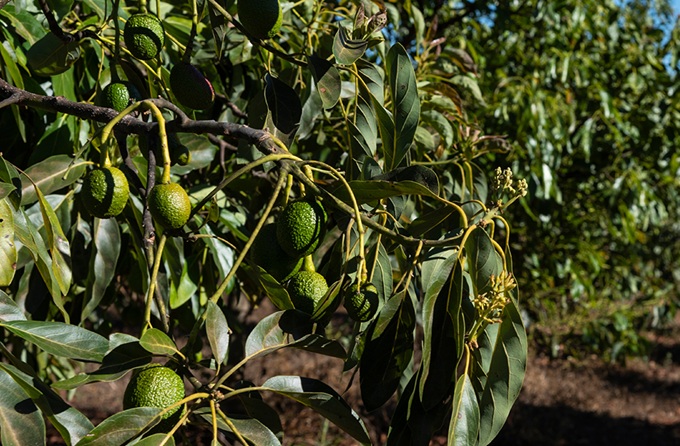
This, Ambrosi explained, is a strategic move. “There’s a cultural mandate to be as sustainable as possible, and a business imperative that economic growth depends on sustainability,” she said.
The industry also actively engages growers and packers through workshops, communication campaigns via the Avocado Institute, and a commitment to produce regular, comprehensive sustainability reports every two years. Aiming for transparency, these reports will track progress toward established goals, with the first scheduled for 2027.
“The growth of the avocado industry can only be sustained if environmental issues are addressed. These efforts are essential not only to offer the best quality avocados but also the most sustainable ones,” she concluded.
Related articles:
Climate Right backs Michoacán state certification against avocado deforestation
Growers turn to Fair Trade USA to address deforestation in avocado industry


Subscribe to our newsletter