








Unlocking Chile's pine nut potential: Investment, technology, and sustainability



Written and reported by Macarena Bravo | Lee esta noticia en Español

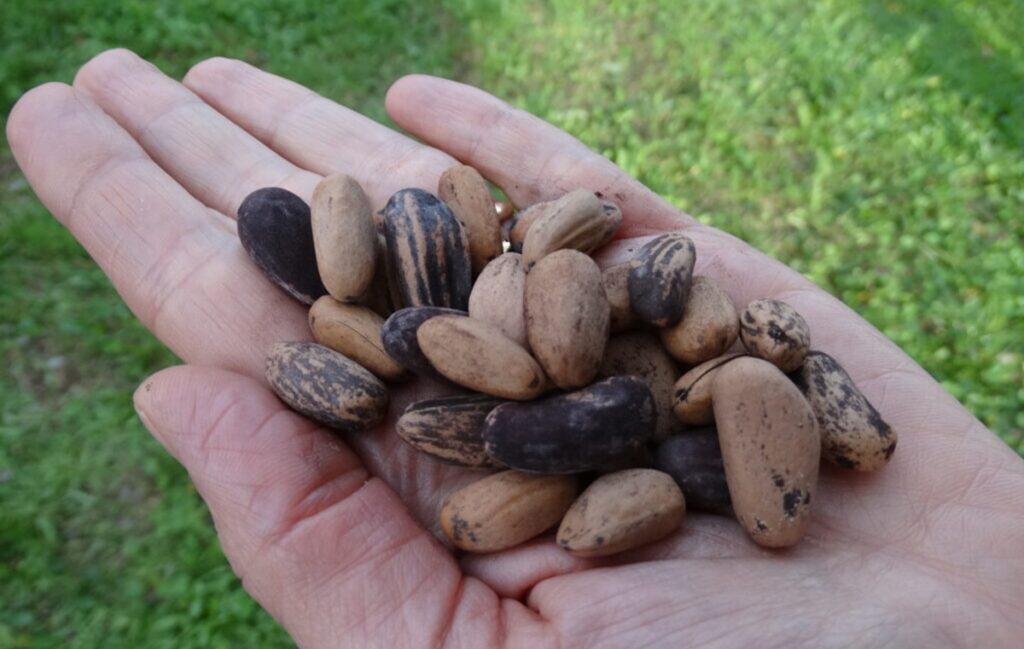
High profitability and adaptability, along with growing global demand, are opening new opportunities for developing the stone pine (Pinus pinea) and its prized fruit, the Mediterranean pine nut, as a strategic crop in Chile.
To educate producers about the crop's potential, the Chilean Forestry Institute (INFOR) invites Turkish entrepreneur Mehmet Ali Köken to present the vast prospect of this nut.
Köken is the owner of BRY Gyda Orman in Türkiye and BRY FOODS in Toronto, Canada, and has more than a decade of experience in the production, processing, and selling of pine nuts in international markets.
Pine nut—a fruit with a rich past and a profitable present
Köken's presentation focused on all the technical data and practical recommendations for commercially developing the crop in Chile.
He opened by noting that the Mediterranean pine nut has been renowned since before the Roman Empire, not only for its nutritional and culinary value, but also for its cultural symbolism and uses.
Native to the Mediterranean basin, the crop's plantings have expanded to regions with sandy soils and dry climates, such as South Africa, California, and, more recently, Chile. This long-lived tree, which can survive up to 150 years, produces highly valuable pine nuts.
There are other varieties of pine nuts from China or Siberia, but they have lower market value and inferior nutritional quality.
“Mediterranean pine nuts can reach prices of up to $100 per kilo at retail, and around $65 per kilo wholesale," Köken said. "This makes the crop one of the most expensive nuts in the world.”
Chile's productive advantages
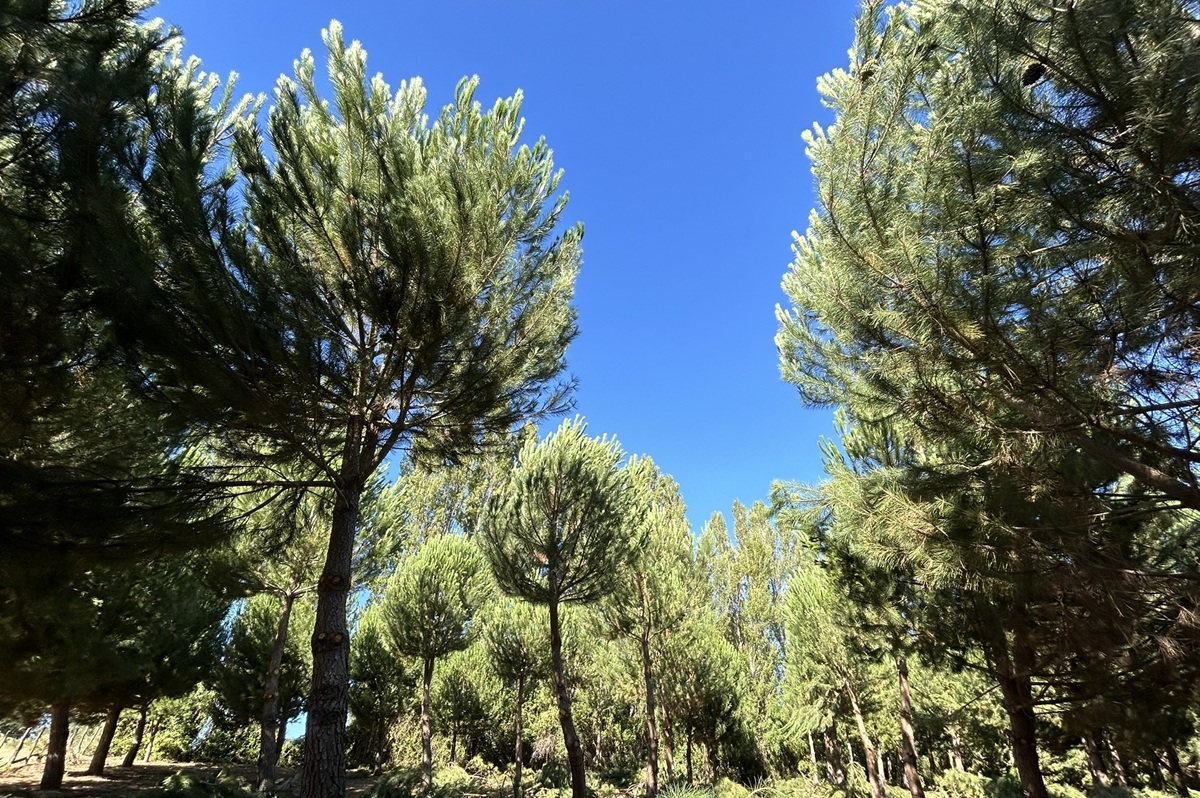
According to Köken and INFOR researchers, the edaphoclimatic conditions in central and southern Chile—particularly from the Maule Region to Los Ríos—are optimal for cultivating this species.
The entrepreneur also noted that Chile’s strong agricultural exports are an advantage for positioning Mediterranean pine nuts in international markets such as Europe, the US, Japan, and the Middle East.
INFOR researcher, Verónica Loewe, explained that Chile already has almost 15,000 acres of stone pine planted, many of which are still young or in early production stages.
However, the expert explains that national production is still incipient, and a large part of the harvested cones is lost due to a lack of collection and processing facilities.
"This clearly represents an opportunity for investment in infrastructure and the creation of buying centers,” she said.
Technology, agronomic management, and sustainability
Köken emphasized that technological innovation has transformed the pine nut industry in countries like Türkiye and Spain.
Among the most significant advances are grafting techniques, which reduce production times from 15 years to just five. There's also the artificial post-harvest opening of cones, which allows earlier market entry. These advances, he noted, could easily be replicated in Chile.
The Turkish expert also stressed the importance of proper nutritional and technical management, including pruning, irrigation in dry zones, genetic selection, and the use of appropriate machinery. To him, they're all crucial to improving yields and fruit quality, which largely determines commercial value.
Stone pines fit into a circular economy model as well, he added, as “it produces no waste—shells, cone residues, and even the black seed dust are used as fertilizer, biomass, or mulch.”
The future prospects of pine nuts
Köken believes the Mediterranean pine nut represents a logical investment for Chile, given its productive potential and growing global demand.
He recommended a gradual approach, starting with small-scale production targeting niche markets, and then scaling up and building solid international trade relationships.
Verónica Loewe emphasized that the Latin American country has made significant progress in research and domestication of the stone pine and is already considered a southern hemisphere reference for the crop.
“The better we treat it, the better it will respond,” she said, emphasizing the need to professionalize and modernize cultivation to consolidate it as a profitable, sustainable, and long-term fruit alternative for the country.
Related stories:
USDA: Fruit and tree nut production outlook to 2034
U.S. tree nut industry members discuss diversification, India, and marketing efforts
Groundbreaking cherry harvest in Argentina's Jujuy Valley creates new market opportunity



Subscribe to our newsletter