

US Produce industry speaks up: The potential impact of the upcoming USMCA agreement review
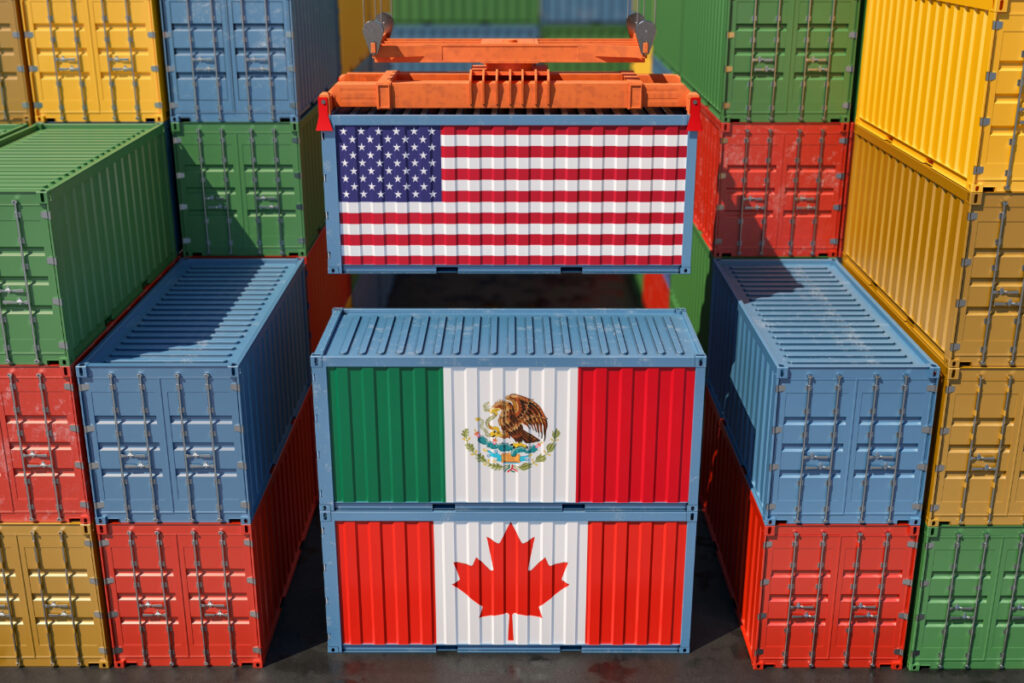

The 2026 joint review of the United States-Mexico-Canada Agreement (USMCA) will take place next July, and the produce industry is working to maintain its influence in the decision-making process.

The three countries, which represent 30 percent of global GDP, will determine the future of their trade agreement, which is set to expire in 2036. The decision has the power to reshape North American trade and US agriculture.
USMCA’s Impact on North American produce trade
Since the removal of the final transitional agricultural trade restrictions under the North American Free Trade Agreement (NAFTA) in 2007, US agricultural trade with Mexico and Canada has strengthened.
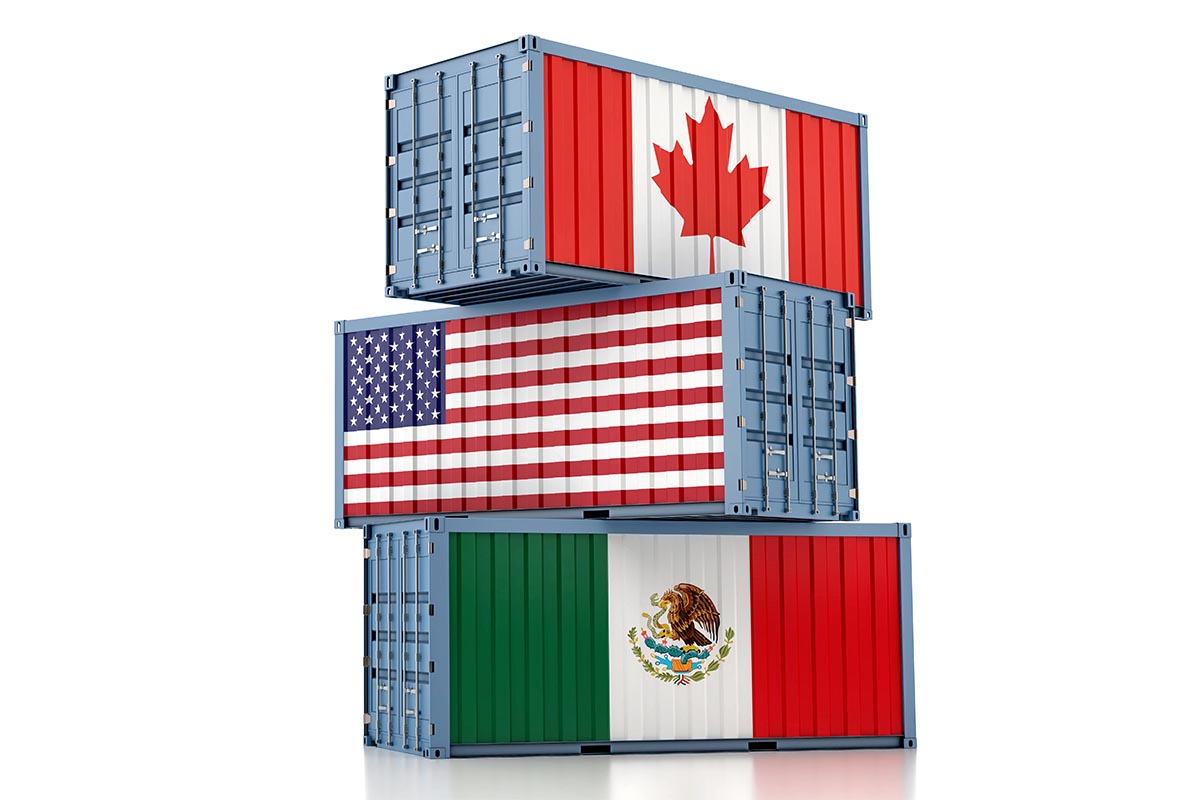
Today, both US neighbors are the top two export markets for American fruits and vegetables. In 2024, fresh produce trade among the three countries totaled $35 billion.
Since USMCA replaced NAFTA in 2020, total North American trade has reached $1.88 trillion, with double-digit year-on-year growth.
From 2021 to 2023, US imports from Mexico increased by over 100 percent, rising from $8.2 billion to $19.6 billion.
Fresh Voices: Produce industry chimes in
To ensure the agricultural industry's interests are considered in the upcoming USMCA review, leading grower organizations have submitted comments to the agreement’s public docket and issued statements.
In a letter to US Trade Representative Jamieson Greer, government officials and major organizations, including the California Citrus Mutual (CCM) and the Organic Produce Association (OPA), expressed support for the agreement.
The letter states that, thanks to the treaty’s “seamless integration provided under the agriculture provisions,” US agricultural exports to Mexico and Canada increased by $10.7 billion and $7.6 billion, respectively.
The letter also notes that USMCA’s integration of agricultural provisions streamlines compliance, harmonizes regulations, facilitates cross-border trade, and reduces costs for American farmers, producers, and ranchers.

The International Fresh Produce Association (IFPA) also supports the agreement and hopes any revisions will further strengthen the movement of specialty crops across North America.
In a press release, the organization said that since its implementation, “the USMCA has provided critical market access and stability for the fresh produce sector—supporting a highly integrated North American supply chain that enables year-round delivery of nutritious, high-quality, and affordable fruits and vegetables to US consumers.”
Not Everyone’s on Board
The California Avocado Commission, on the other hand, believes the USMCA should be modified to reinstate prior inspection protocols and establish a tariff-rate quota on avocado imports from Mexico.
According to CAC’s comments, “over the past two decades, the steep increase in US imports of low-priced avocados from Mexico, Peru, and other foreign sources has taken a toll on the California avocado industry.”
In the letter, the organization stated that avocado exports to the United States, now entering the market year-round, increased by 312 percent to 1,035,200 metric tons from 2021 to 2023. This increase has led to lower prices and reduced demand for California avocados.
To address this, the organization proposes reinstating APHIS biannual inspections of Mexican orchards and packinghouses and imposing a tariff-rate quota under Section 232 of the Trade Expansion Act of 1962, which authorizes the US president to restrict imports for national security reasons.
Related stories:
Agronometrics in Charts: Why trade tariffs could shake the U.S. avocado market
Global ag trade enters a new era as geopolitics turns into harvest-driving force
Mexican table grape industry gathers during challenging times









Subscribe to our newsletter