







Copefrut puts quality first as Chilean cherry season hits midpoint



Lee esta noticia en Español | Writing and reporting by Macarena Bravo.

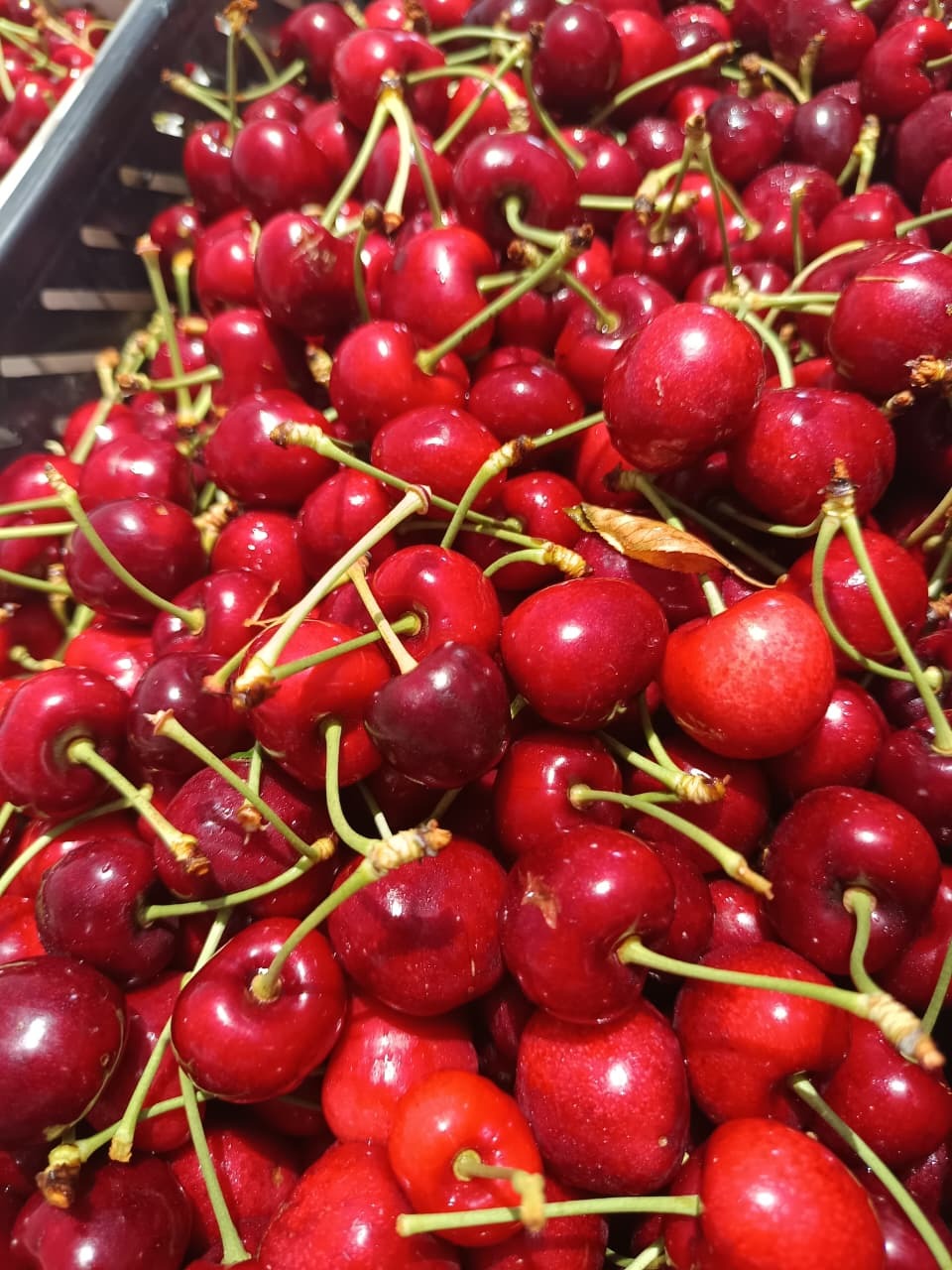
With shoppers in the United States preparing for peak cherry demand, Chilean exporter Copefrut’s mid-season harvest is meeting the quality standards of core destination markets.
Copefrut, with over 70 years of experience, continues to emphasize producer support and varietal development. The firm positions cherries, apples, kiwifruit, and plums as strategic crops in Chile and foreign markets such as the US, General Manager Andrés Fuenzalida told FreshFruitPortal.com during an on-site visit.
“Our goal is to deliver better returns and add value in the different markets in which we participate,” he said. “Markets are increasingly demanding, and innovation cannot be done for the sake of it, but rather to obtain a better product.”
Isidora Ramírez, Market Manager at Copefrut, explained that the company shipped over 3,000 tons of fruit to the US in 2024, with apples accounting for nearly half and cherries for 831 tons.
She says the company works directly with some US and Canadian retailers, but that the majority of the crop enters the market through importers on both coasts. Copefrut's plan in the mid- and long-term is to grow across all fronts, but apples are already ahead, with the company observing a 30 percent year-on-year increase in market share in 2024.
Varieties drive long-term strategy
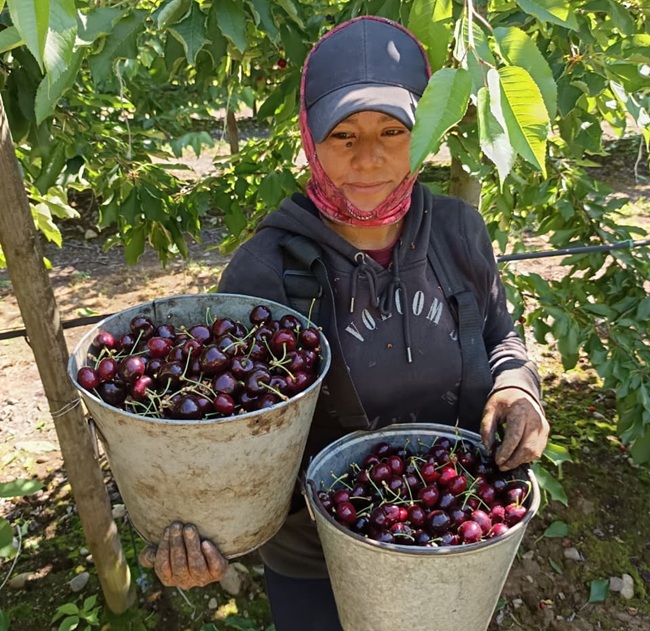
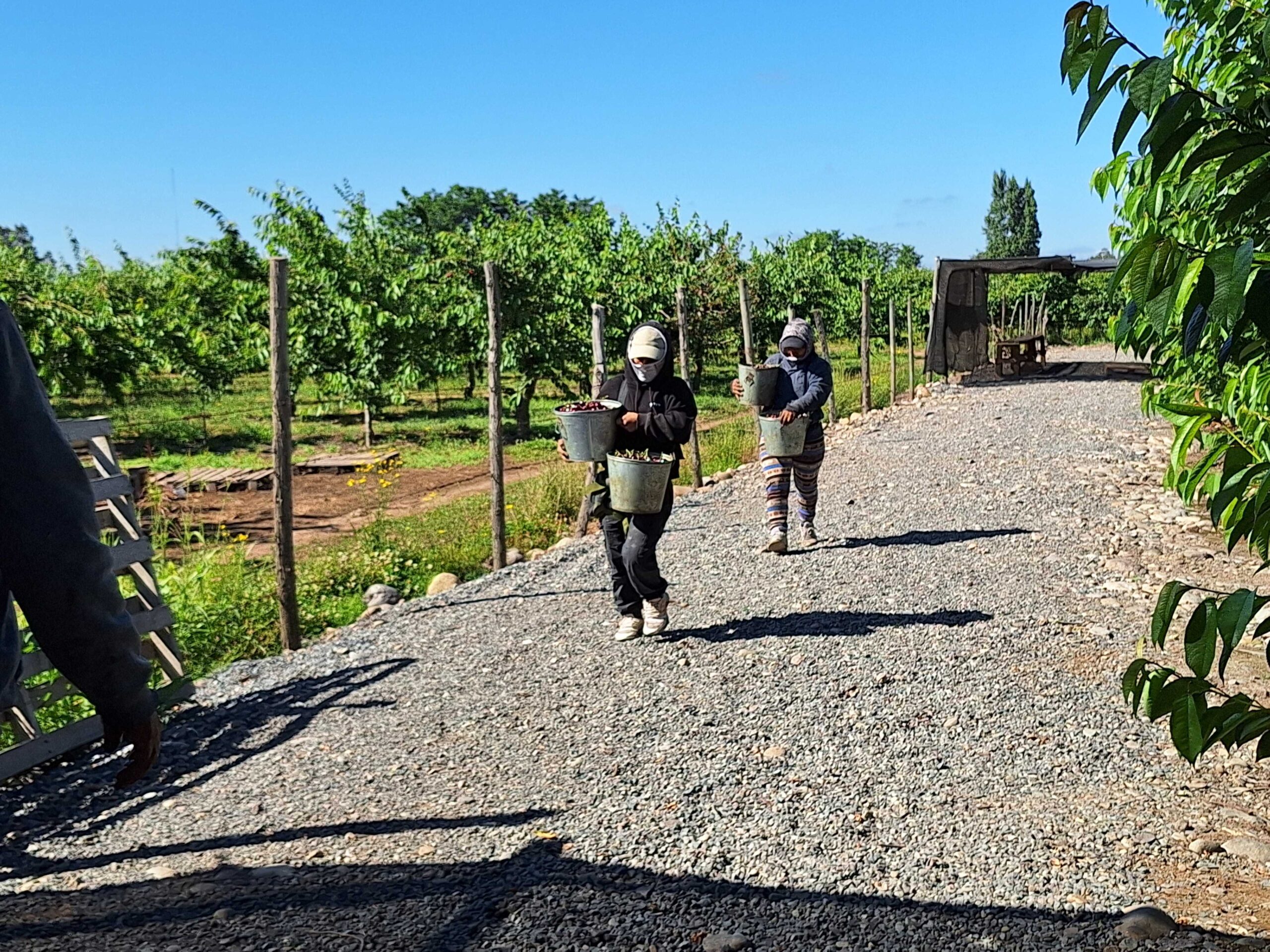
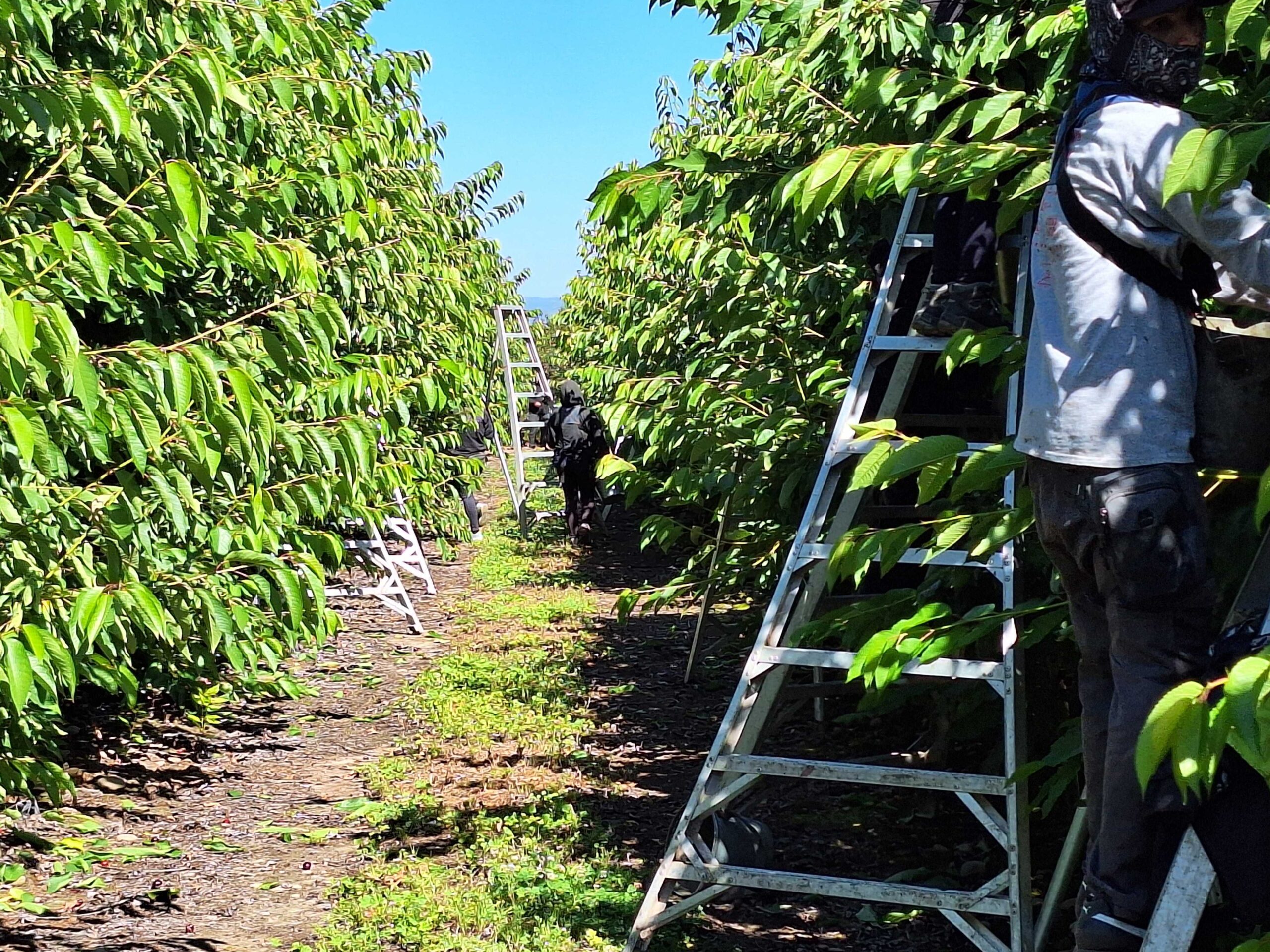
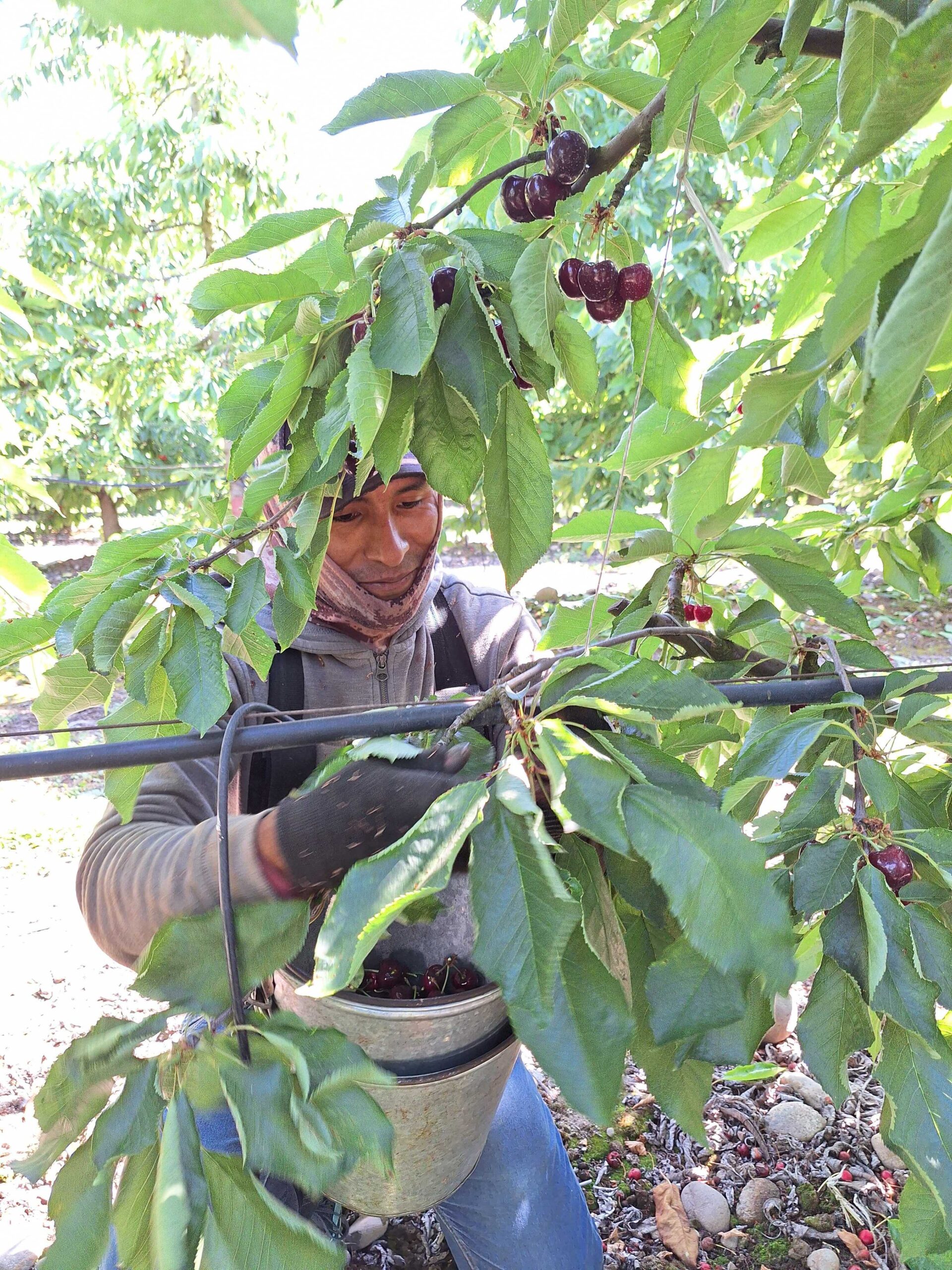
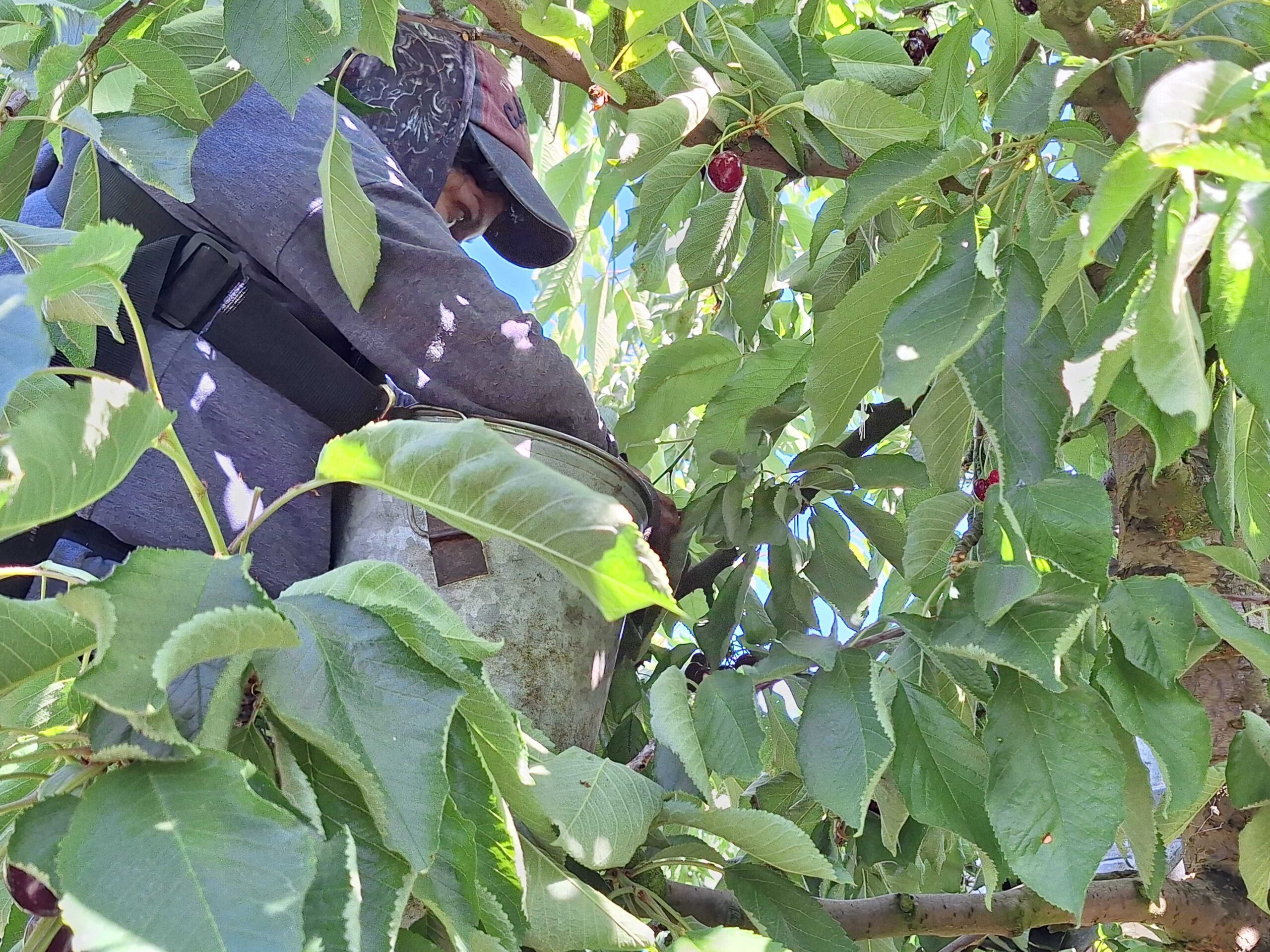
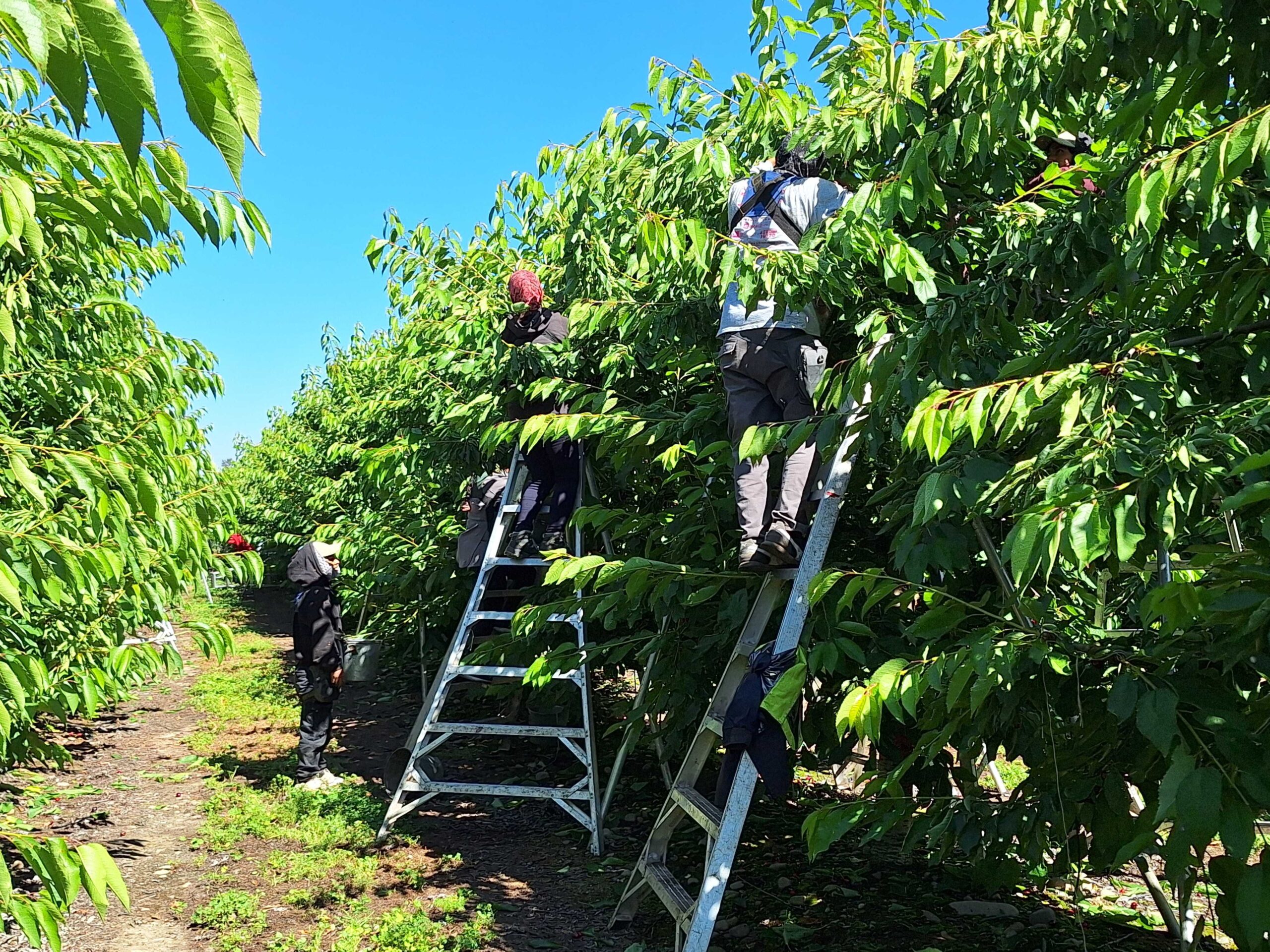
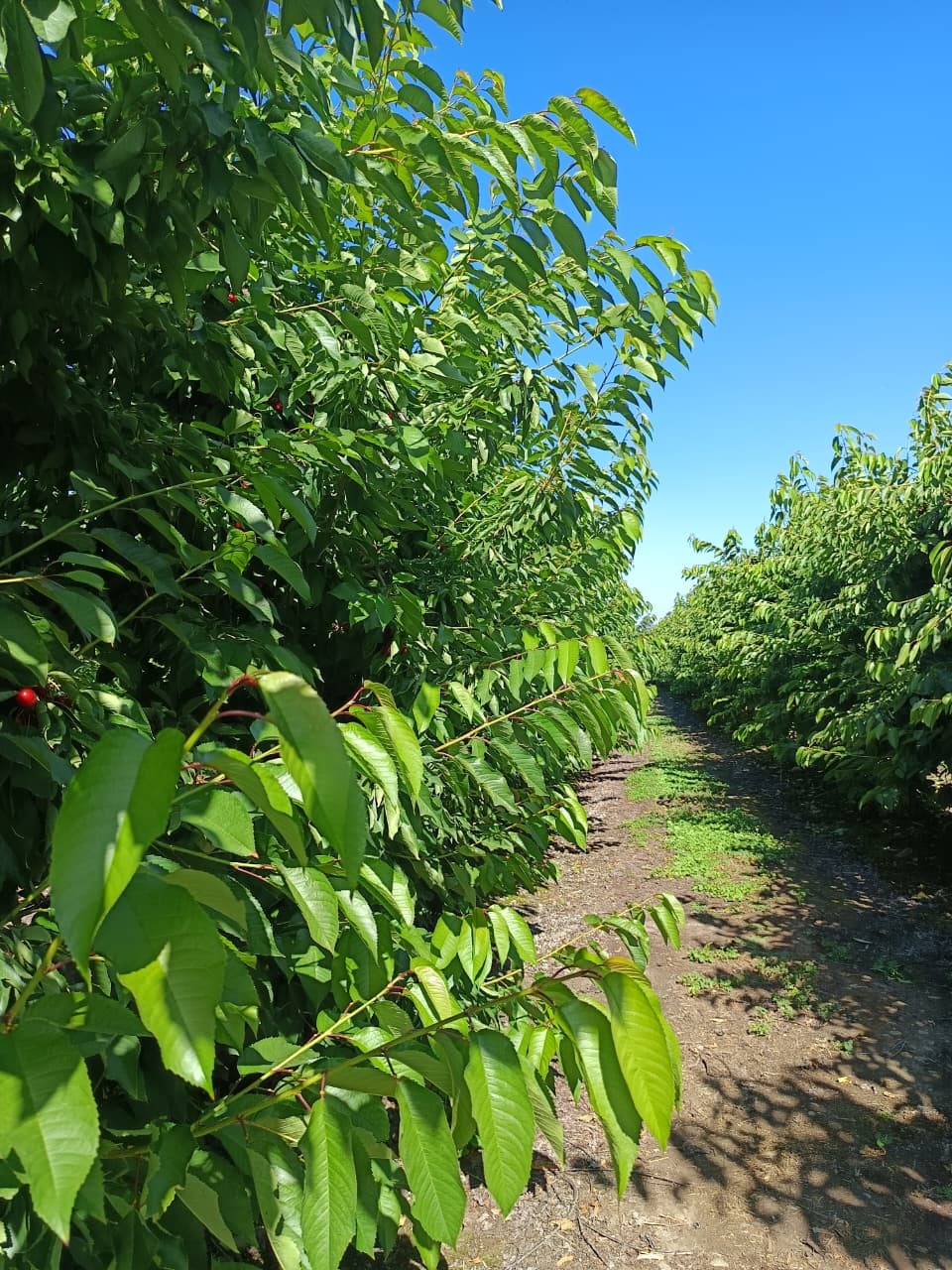
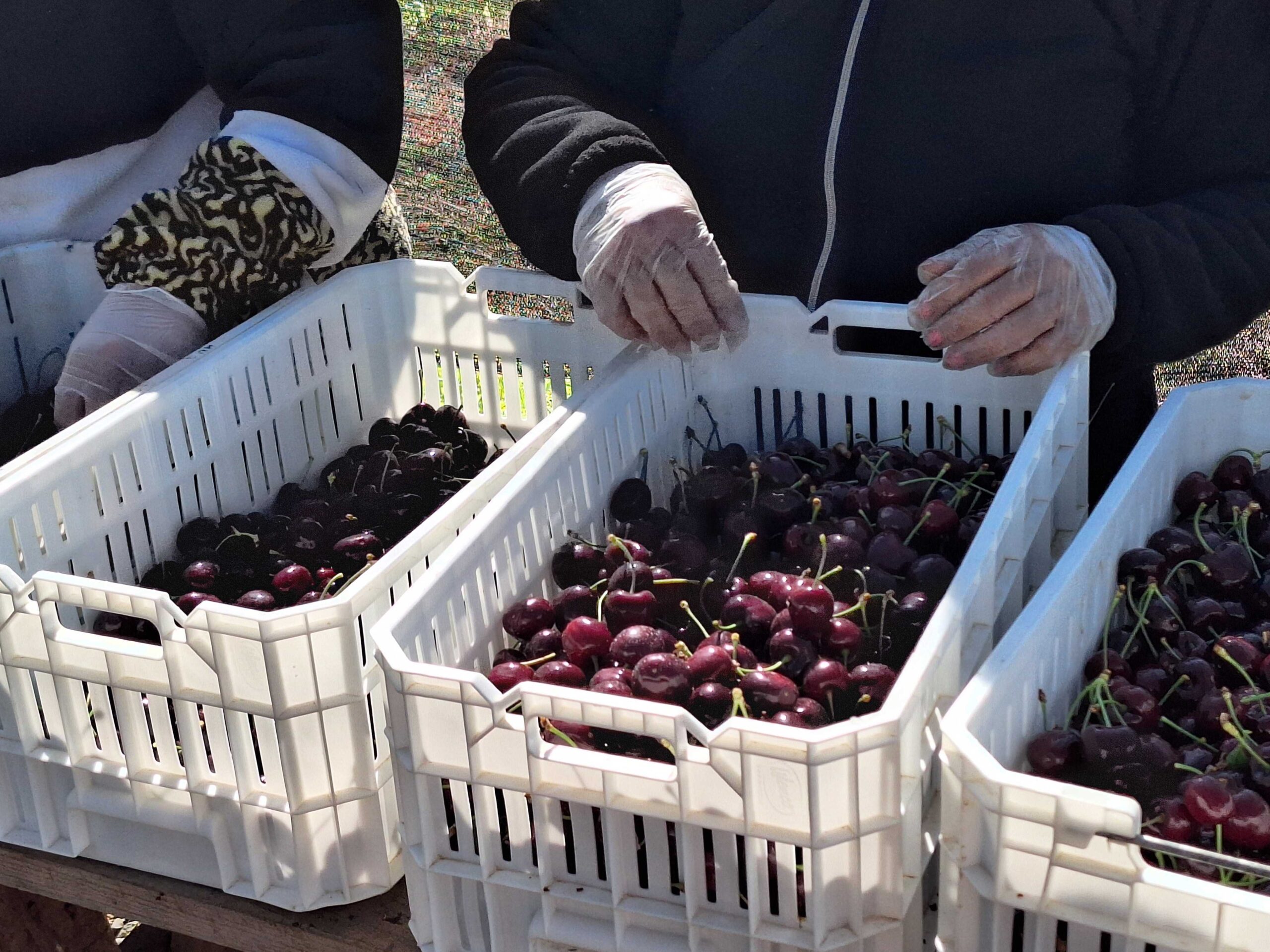
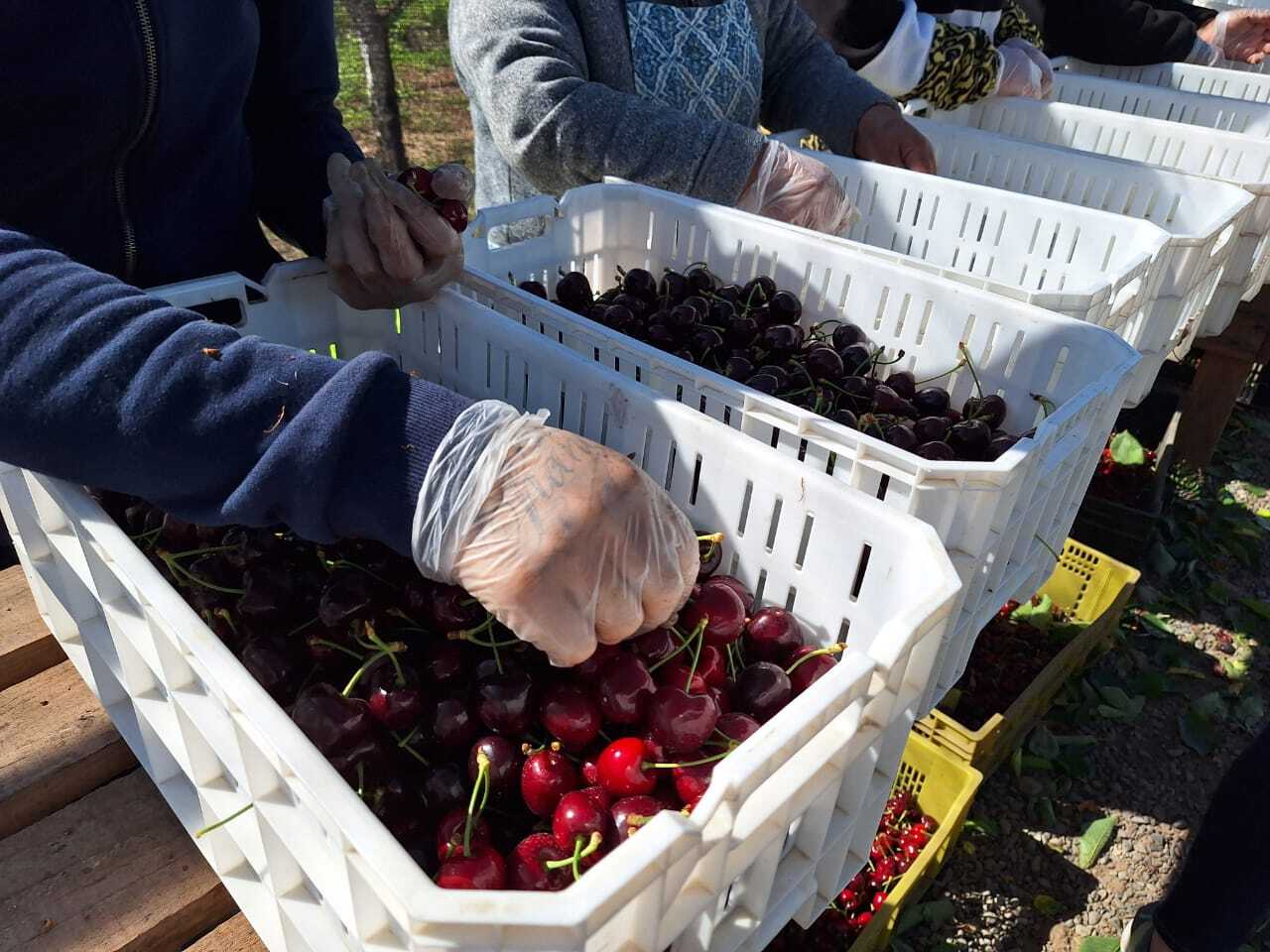
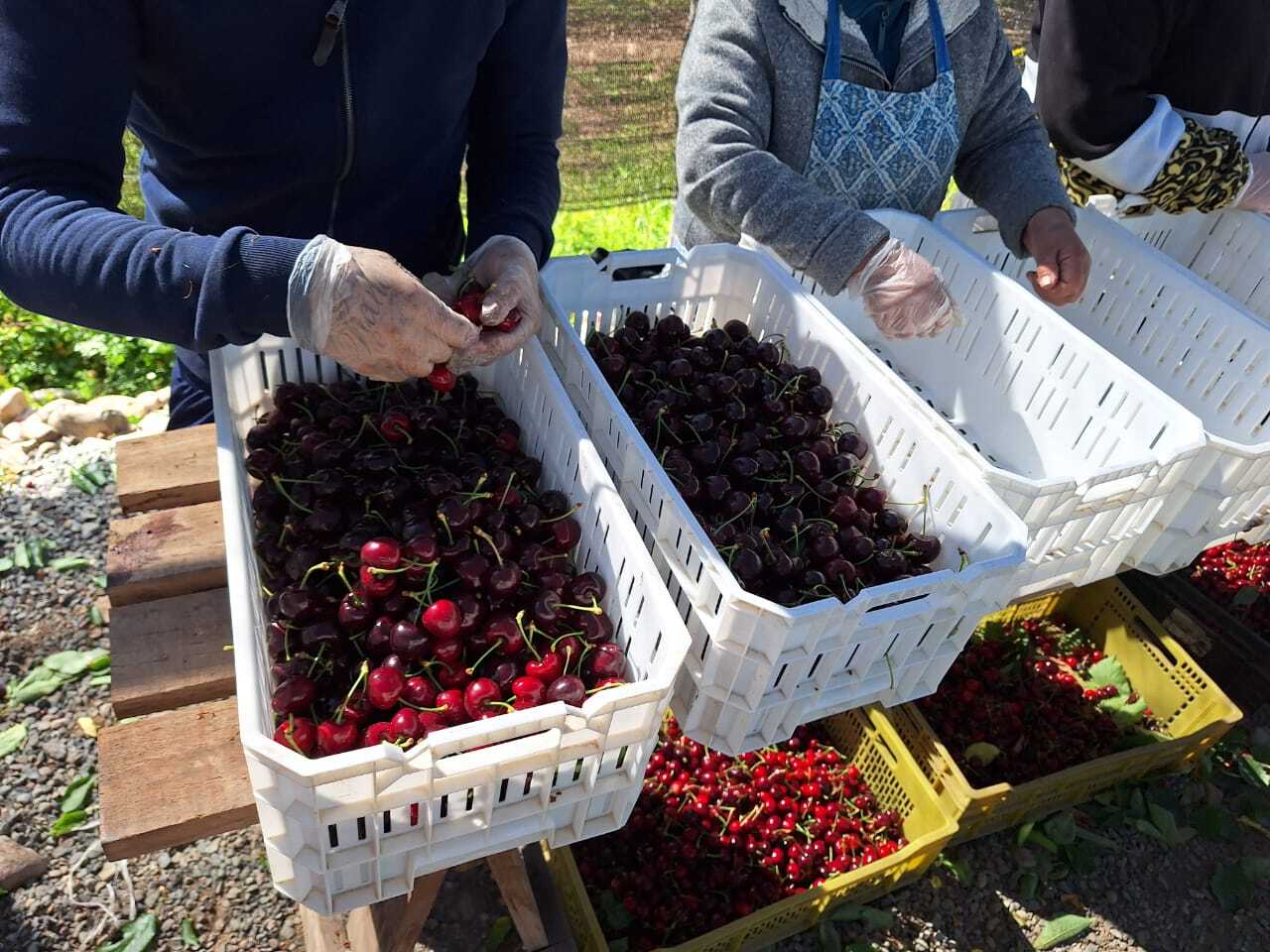
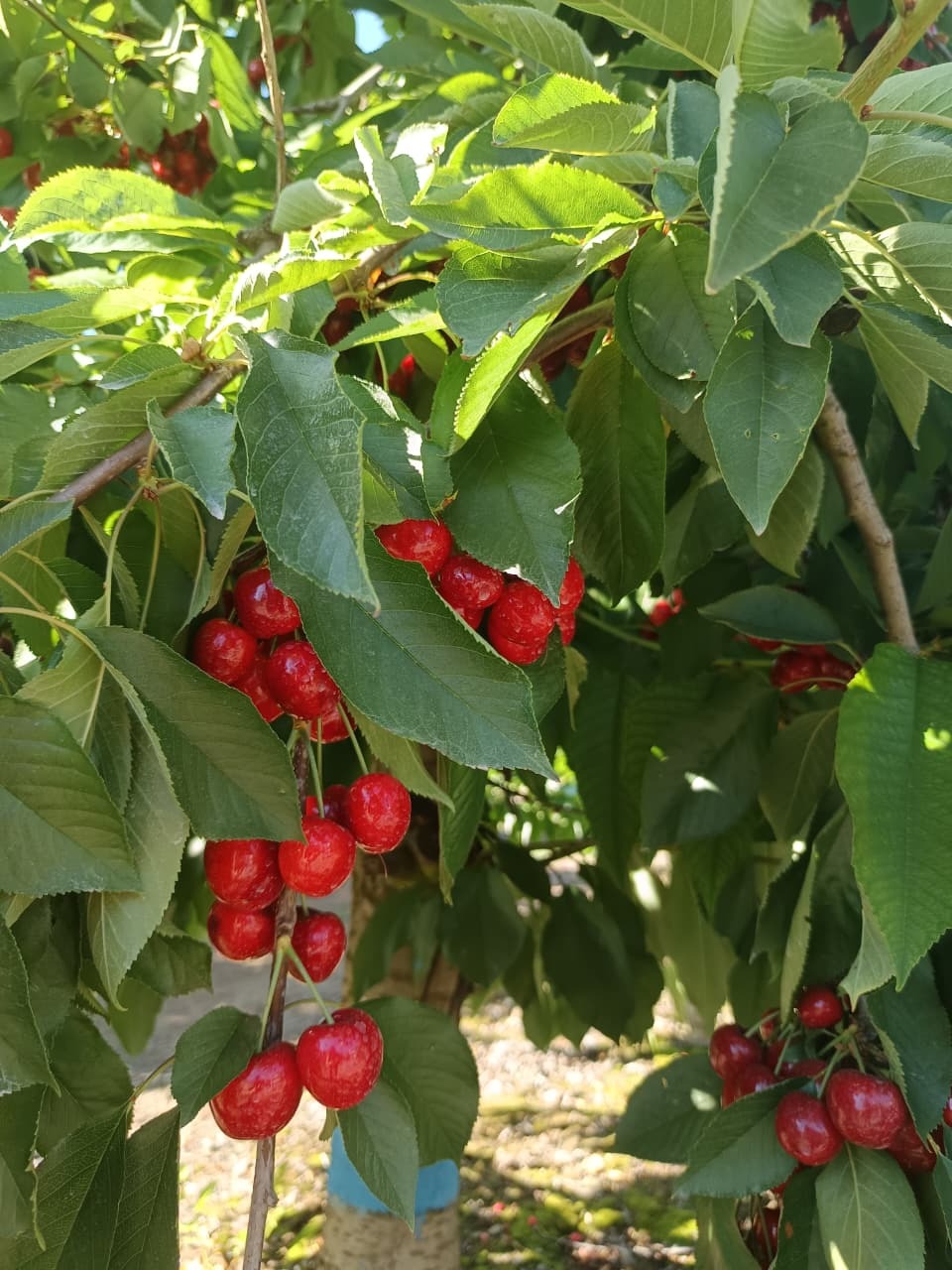
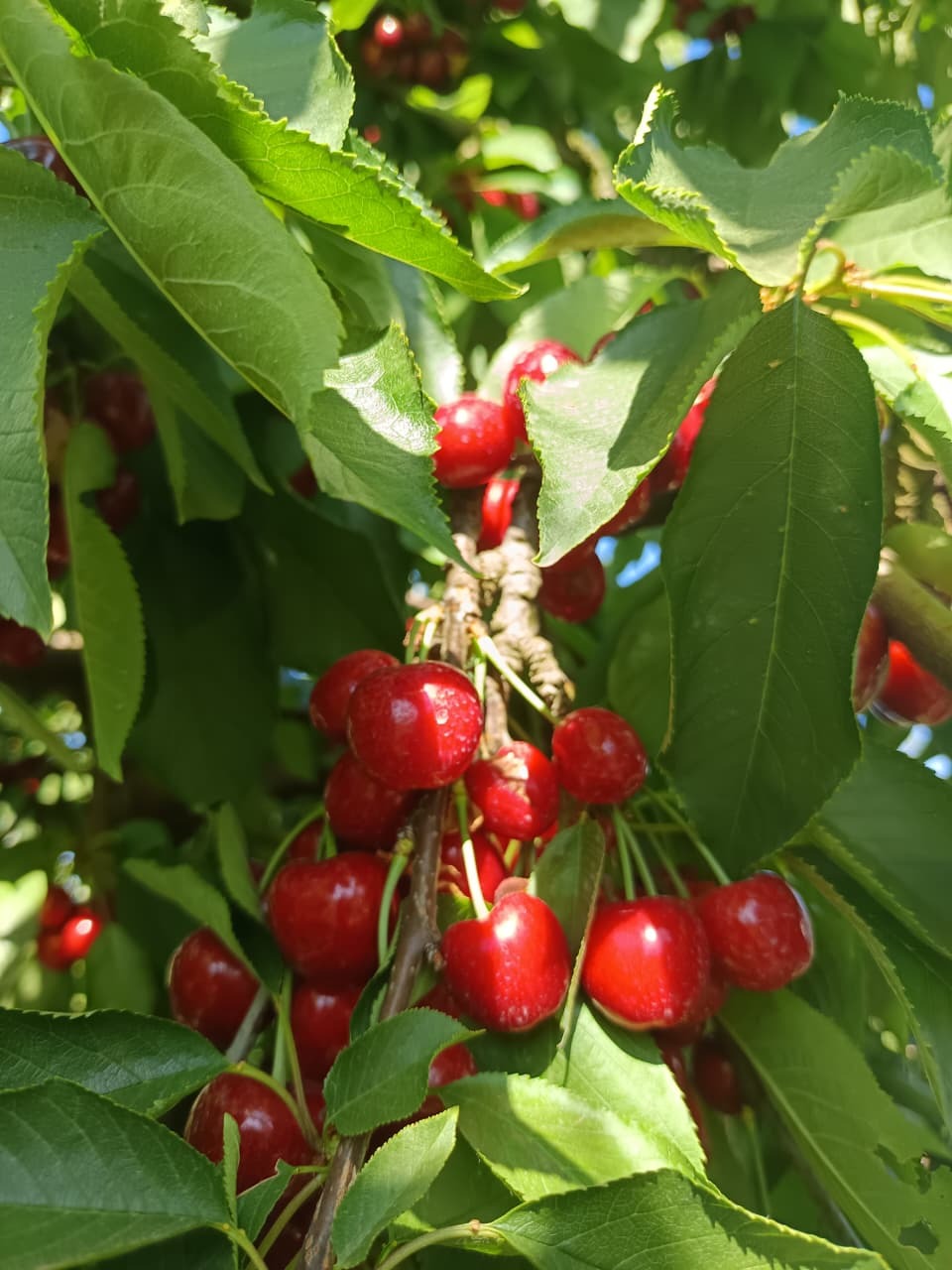
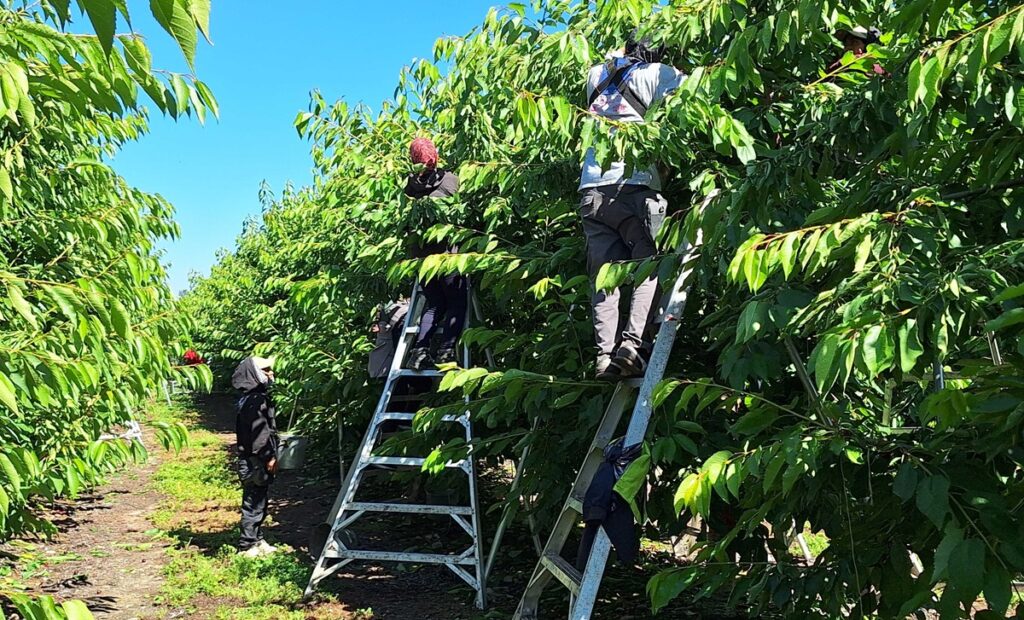
At Huerto Las Rosas in Romeral, in the Chilean central Curicó province, farm manager Sebastián Fuenzalida says the orchard is seeing stronger yields this year.
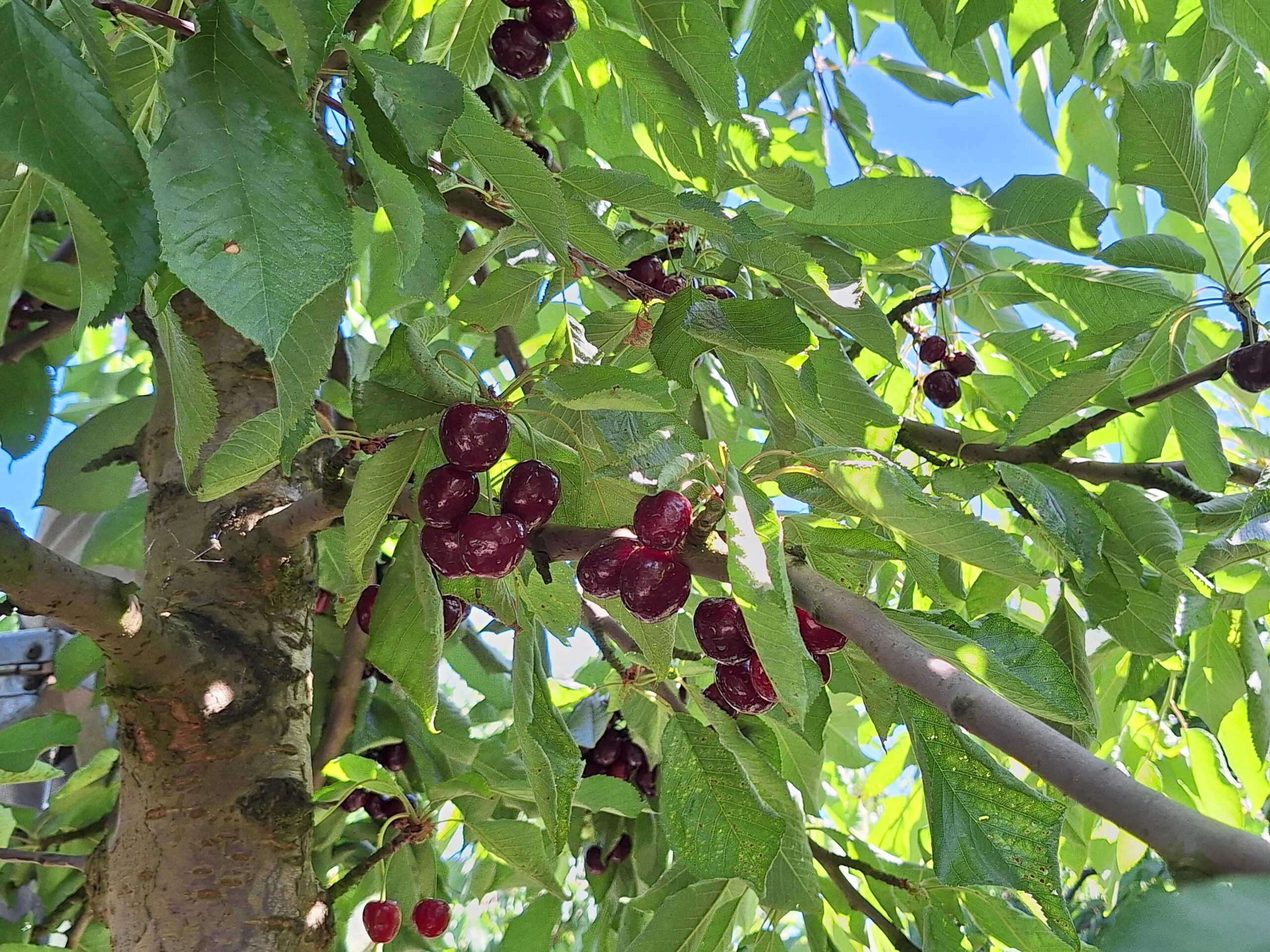
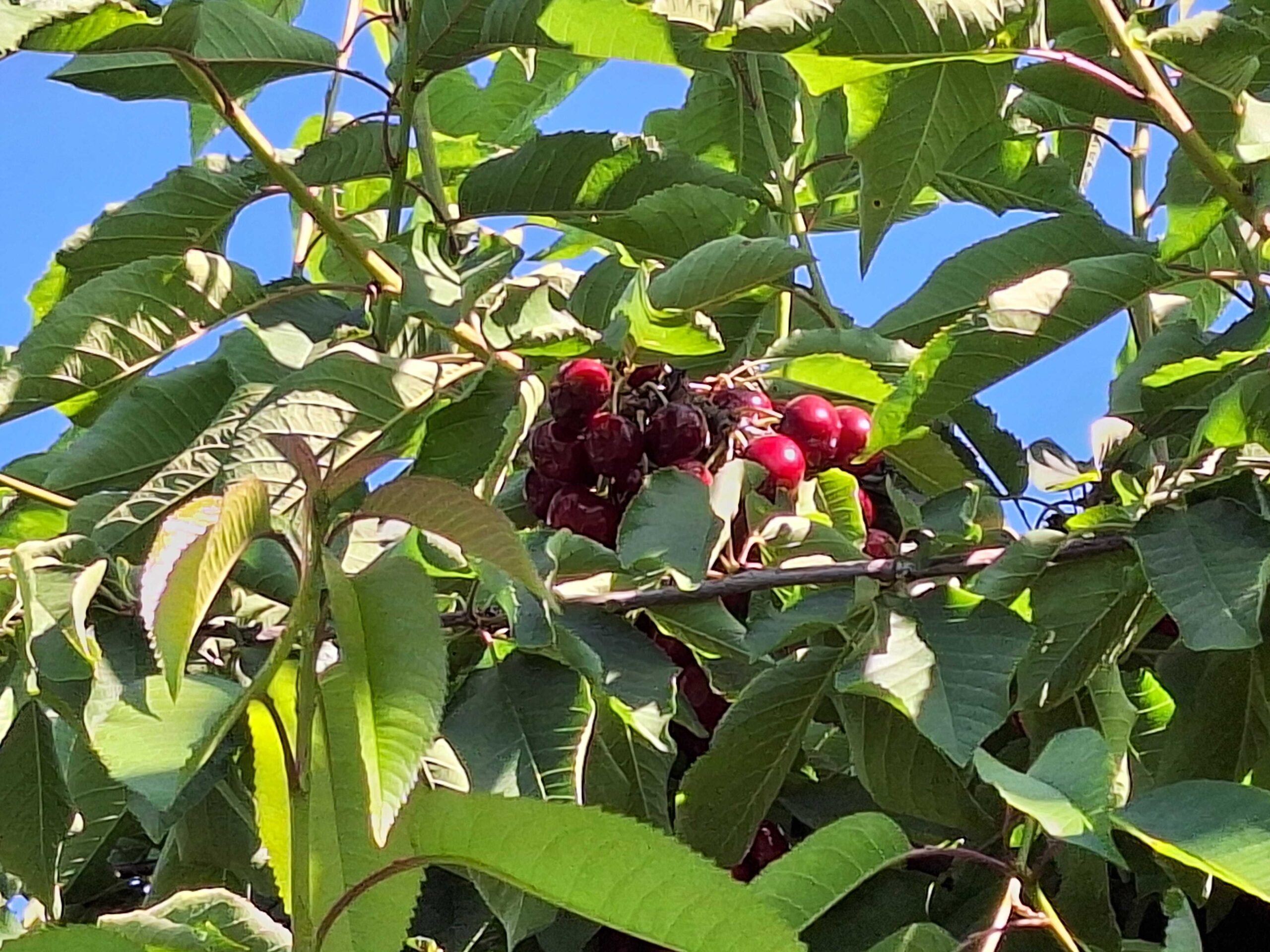
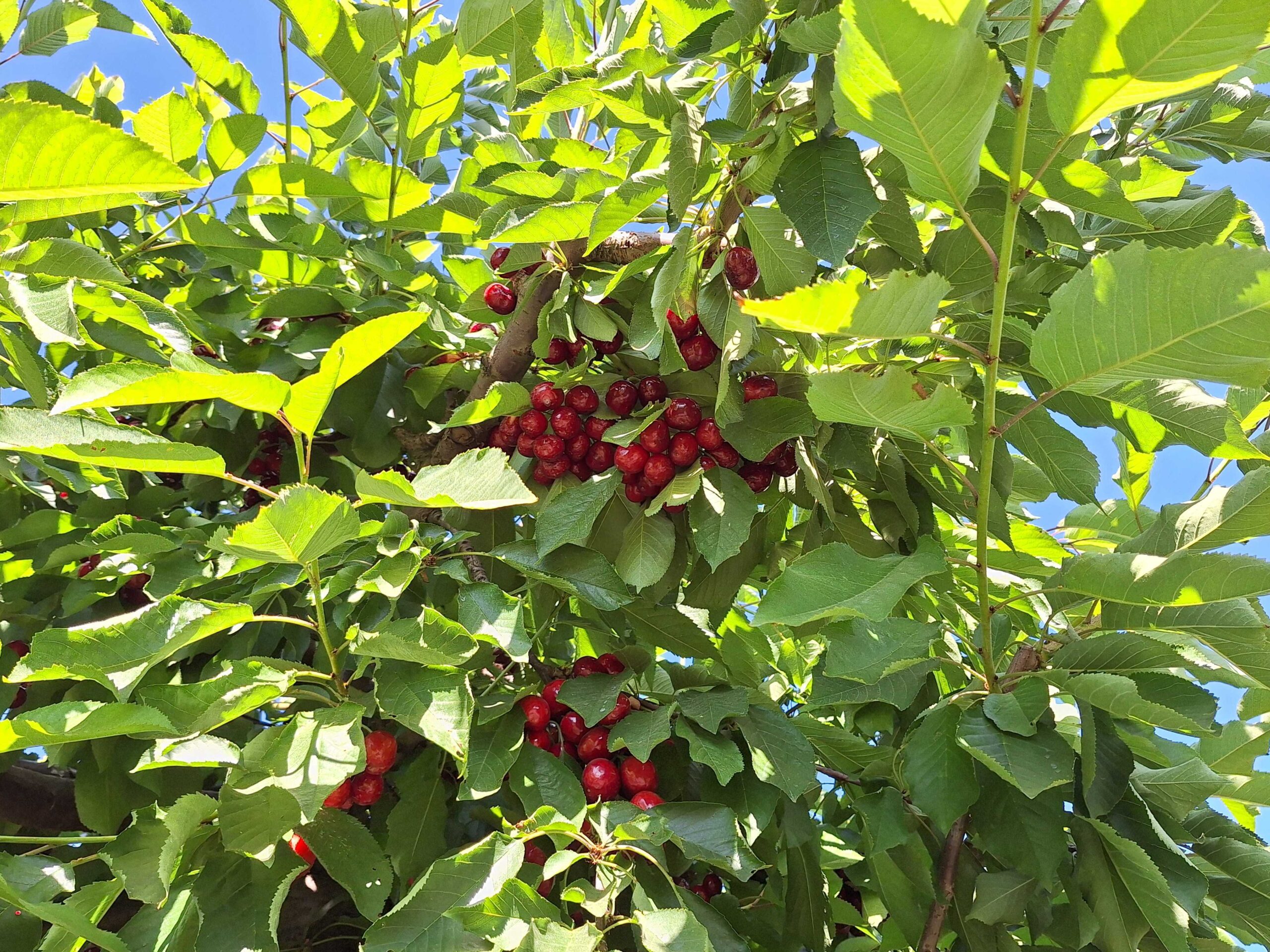
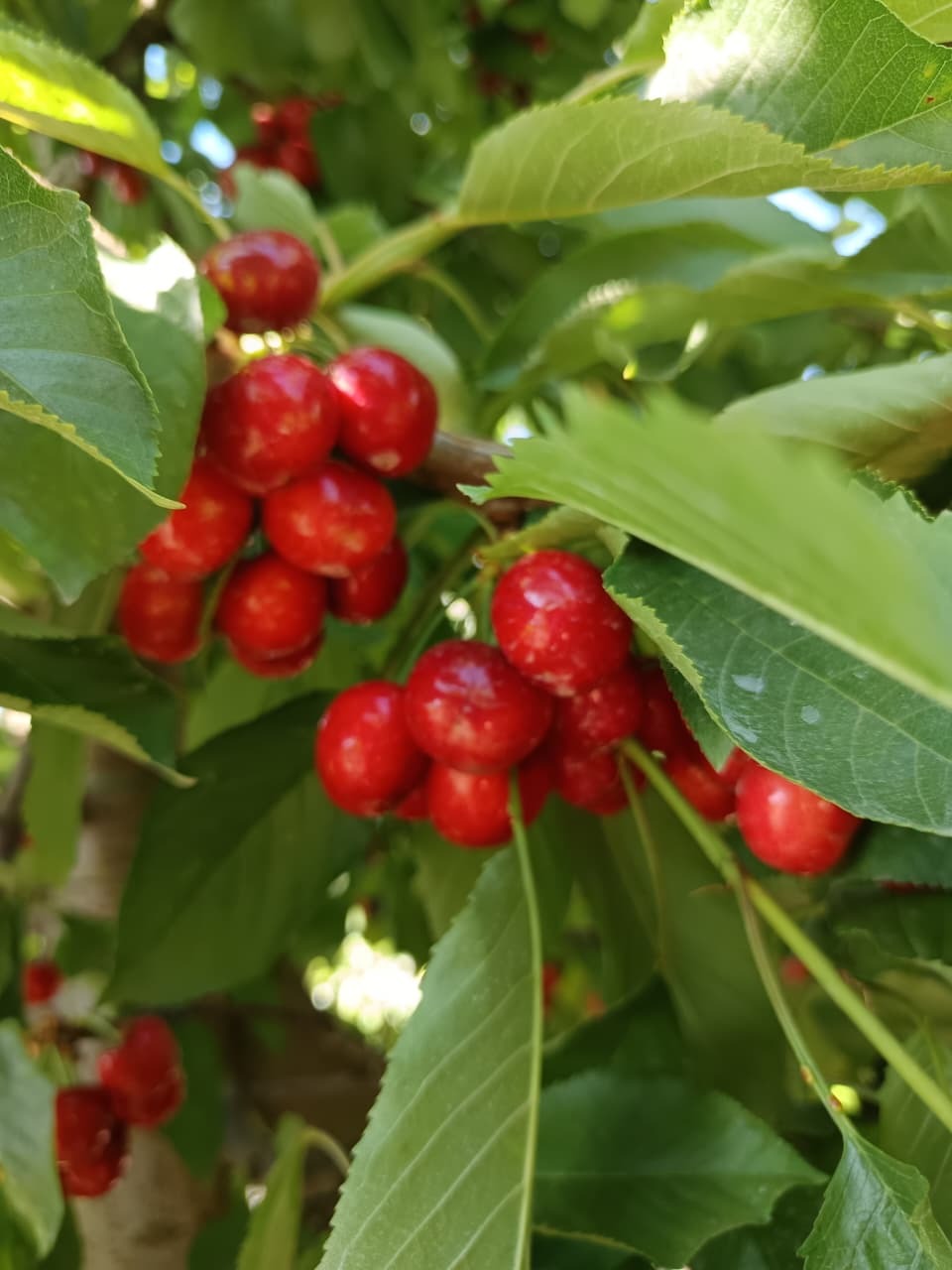
Fuenzalida runs the almost 20-acre cherry operation with his father, producing key varieties such as Santina, Lapins, and Bing for Copefrut, which has provided financial and technical support for over 40 years.
The operation leader reports a much “more relaxed” year, with yields of roughly 12,320 pounds per acre, saying they’re doing “quite well in terms of volume.”
While many growers in the region report volume declines of about twenty percent, Las Rosas is experiencing a twenty percent uptick. Sebastián attributes these results to strict orchard management and “that bit of luck that is always needed in this business”.
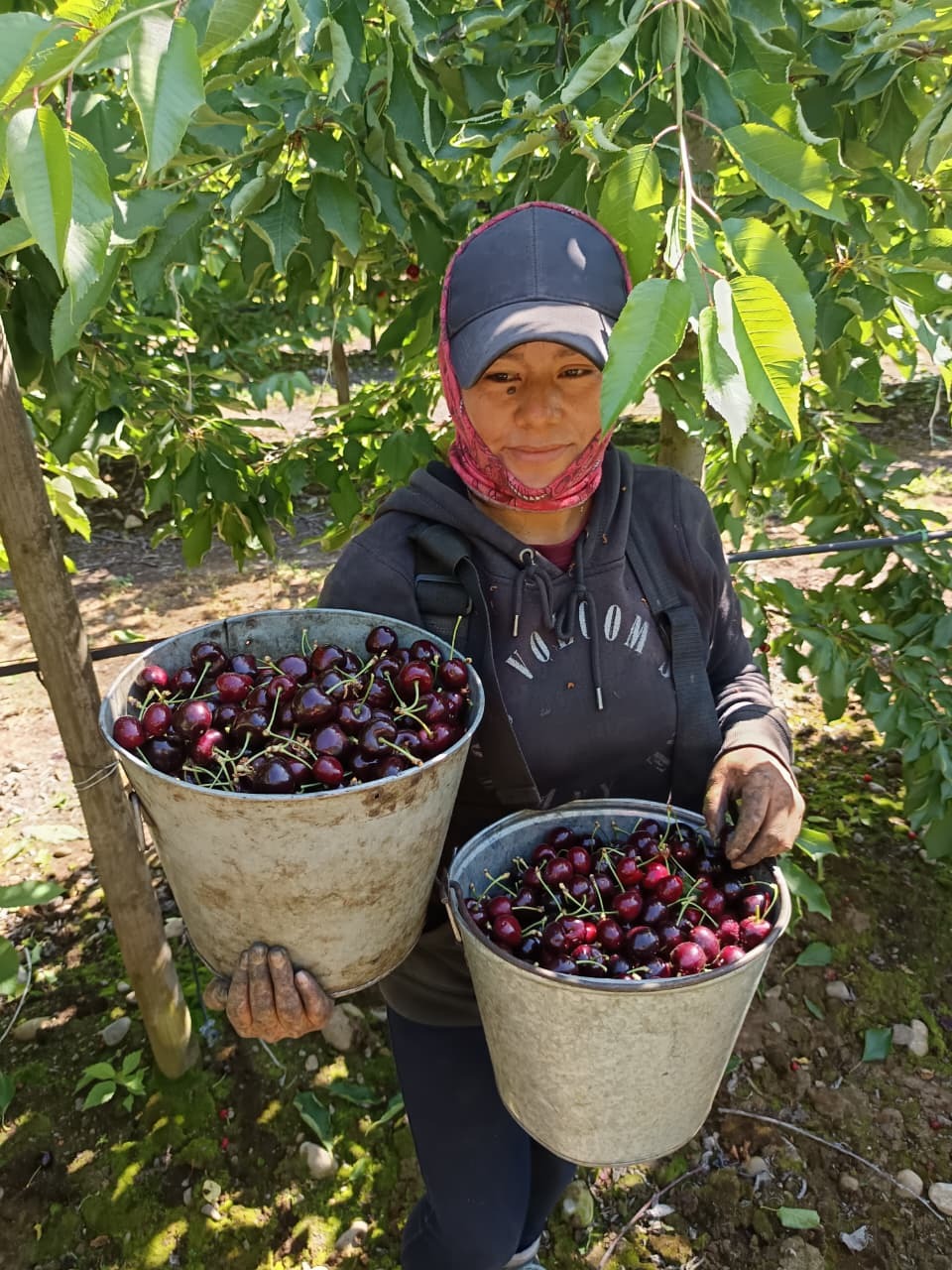
The farm employs about 60 workers during harvest time and expects to continue picking through mid-December. New plantings under development could increase production by thirty percent within two to three years, the grower says.
Inside the packhouse
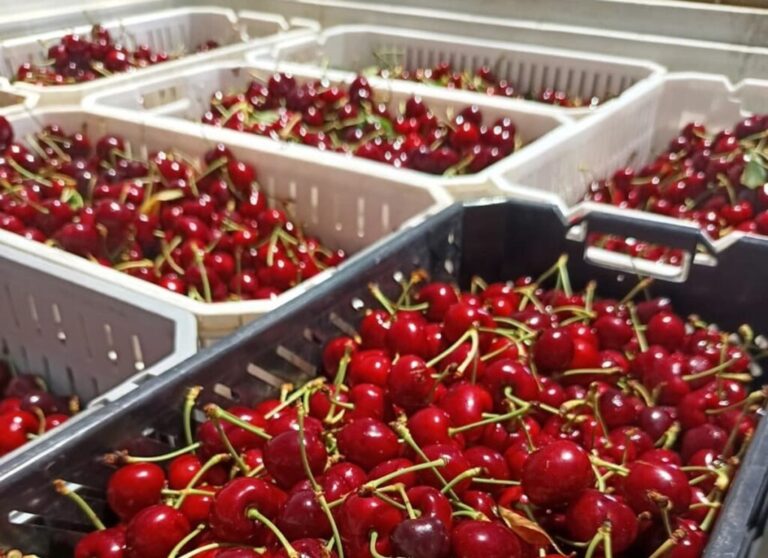
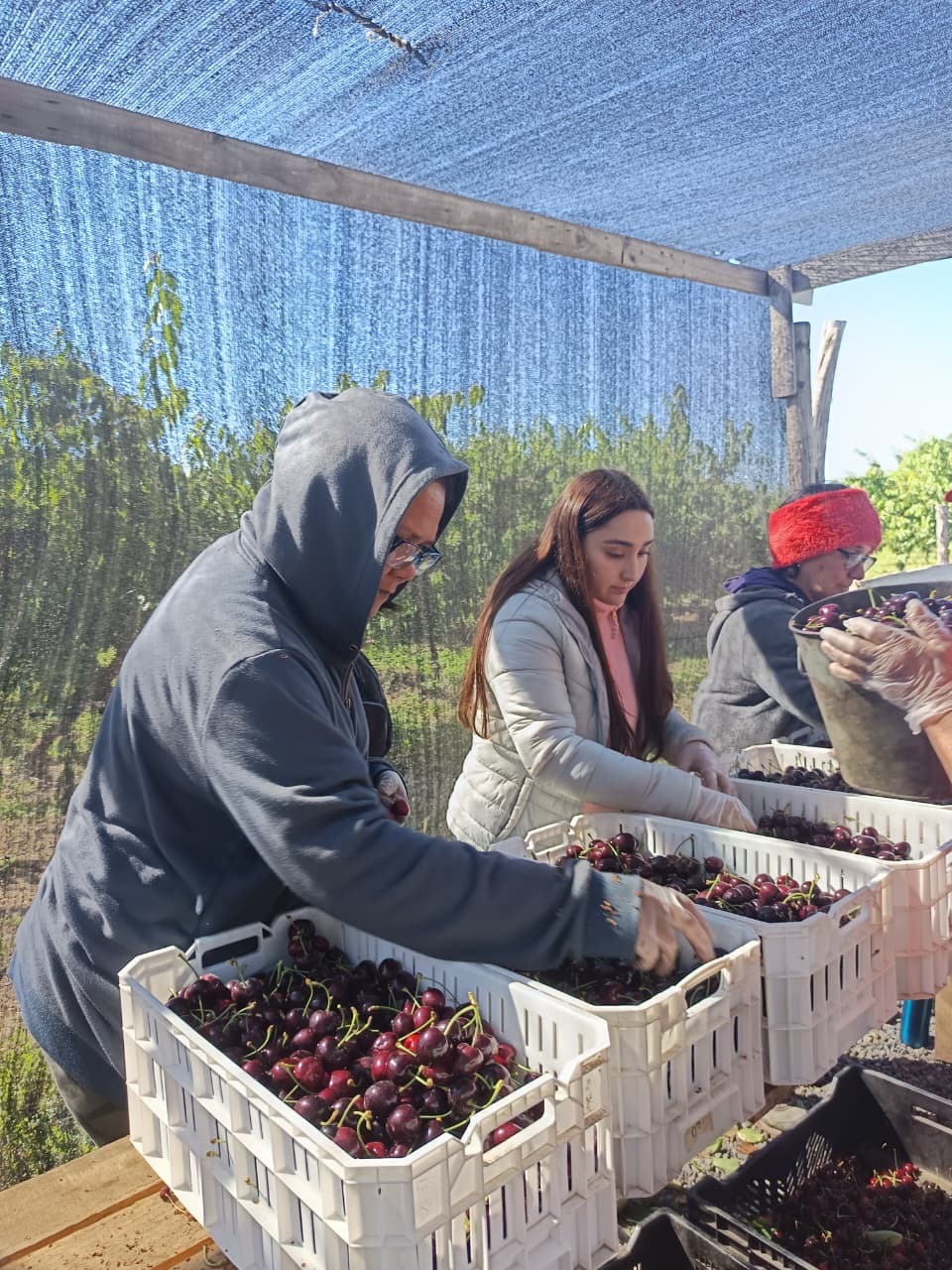
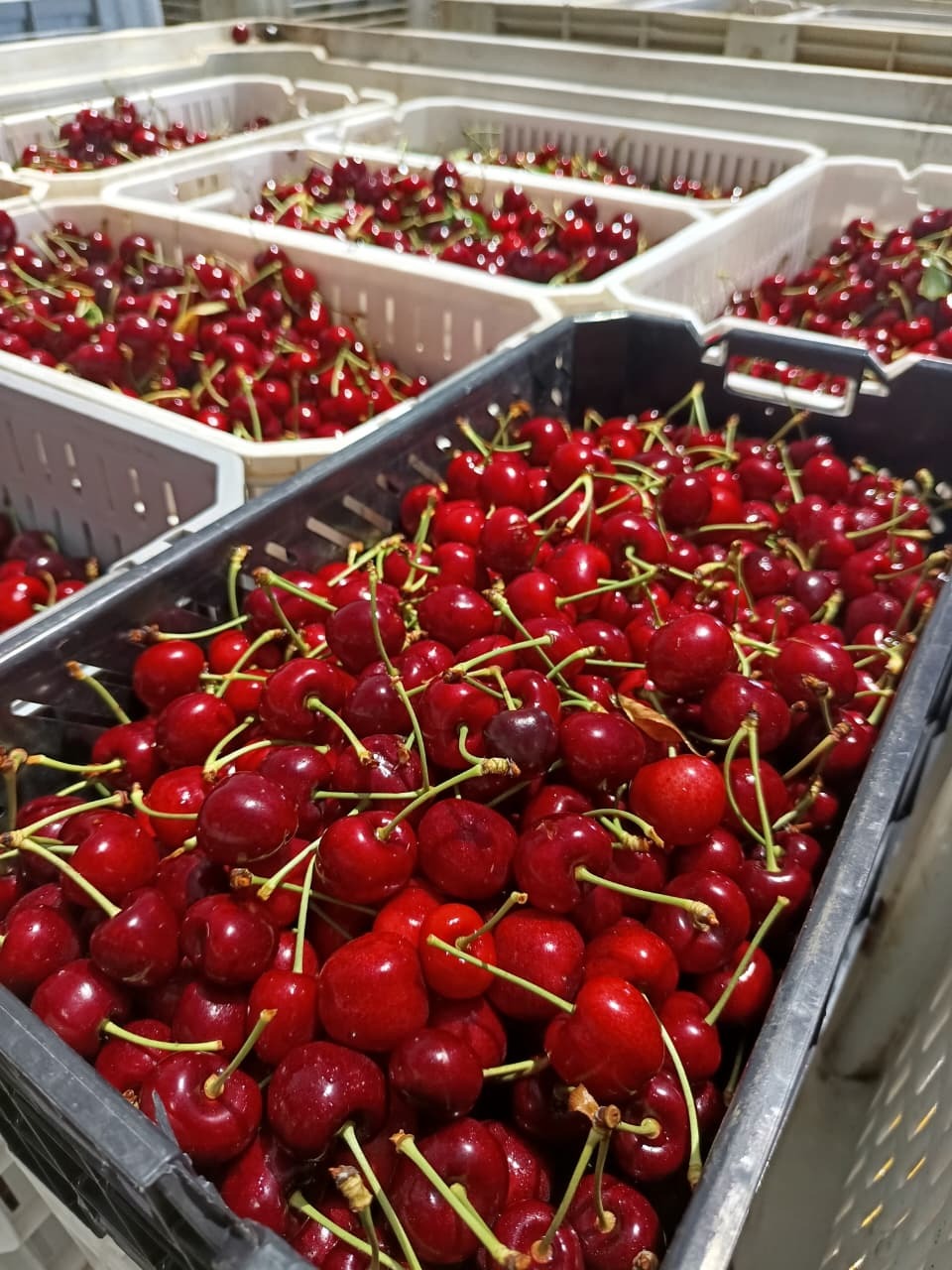
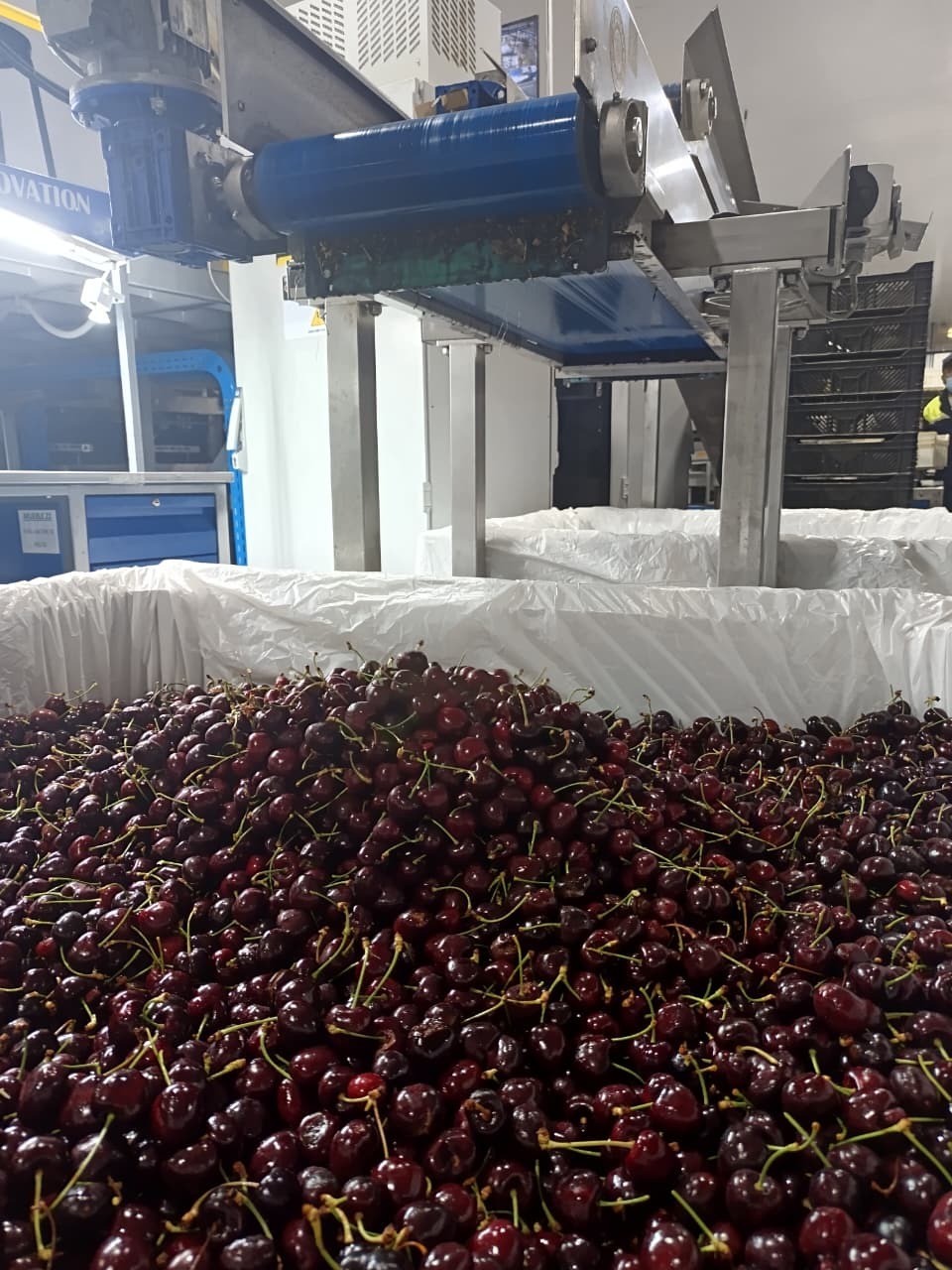
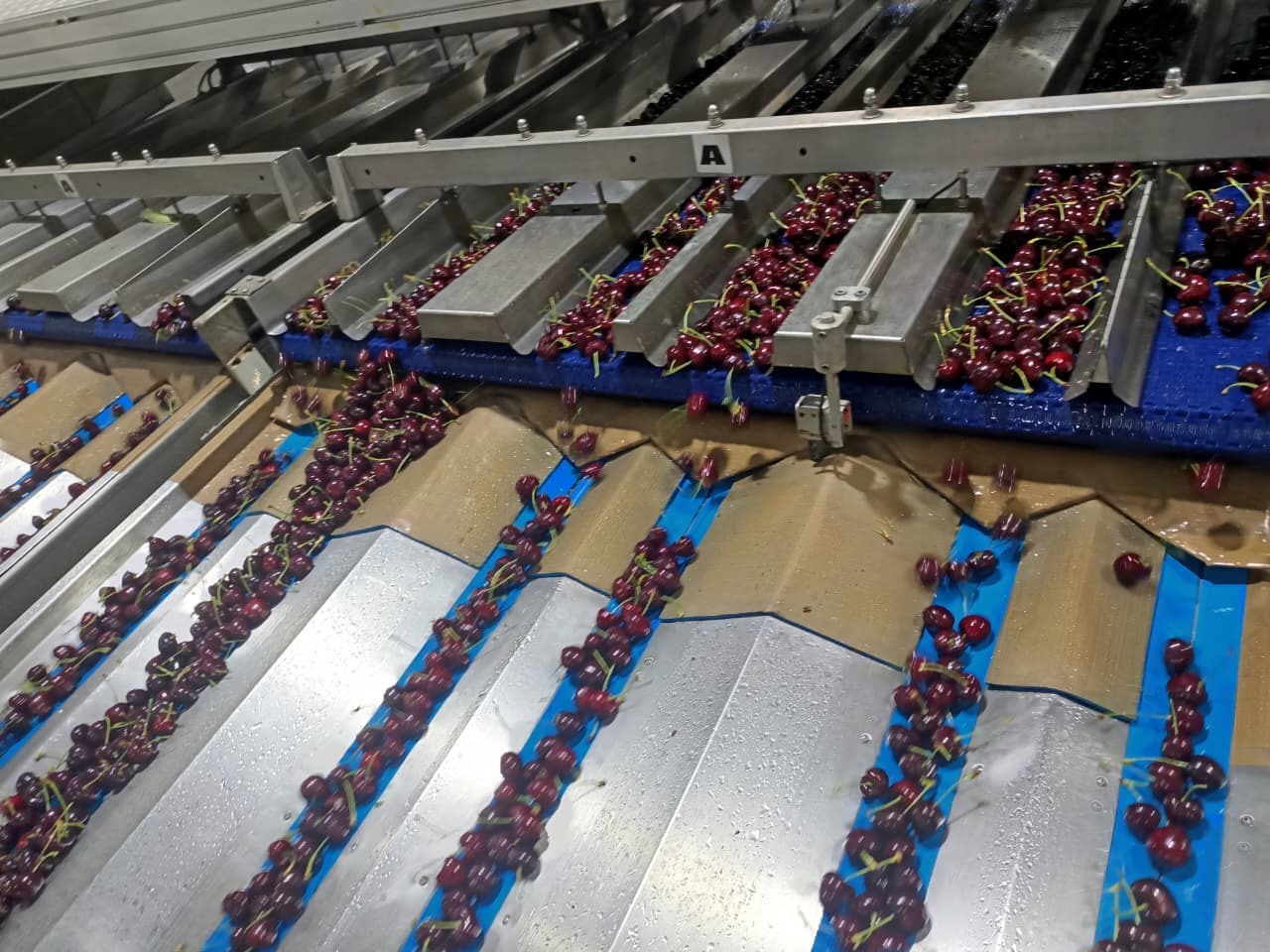
Copefrut’s packing operations in Curicó use a series of cooling, sanitation, and automated sorting steps designed to protect the fruit's condition for long-distance export. Incoming trucks unload under shading structures, while humidity sprinklers lower the fruit’s temperature.
Quality teams sample fruit for color, size, sugar levels, and defects before hydrocooling in chlorinated water at 32 degrees Fahrenheit. Cherries are then sorted using imaging systems that photograph each fruit more than fifteen times to ascertain potential damage.
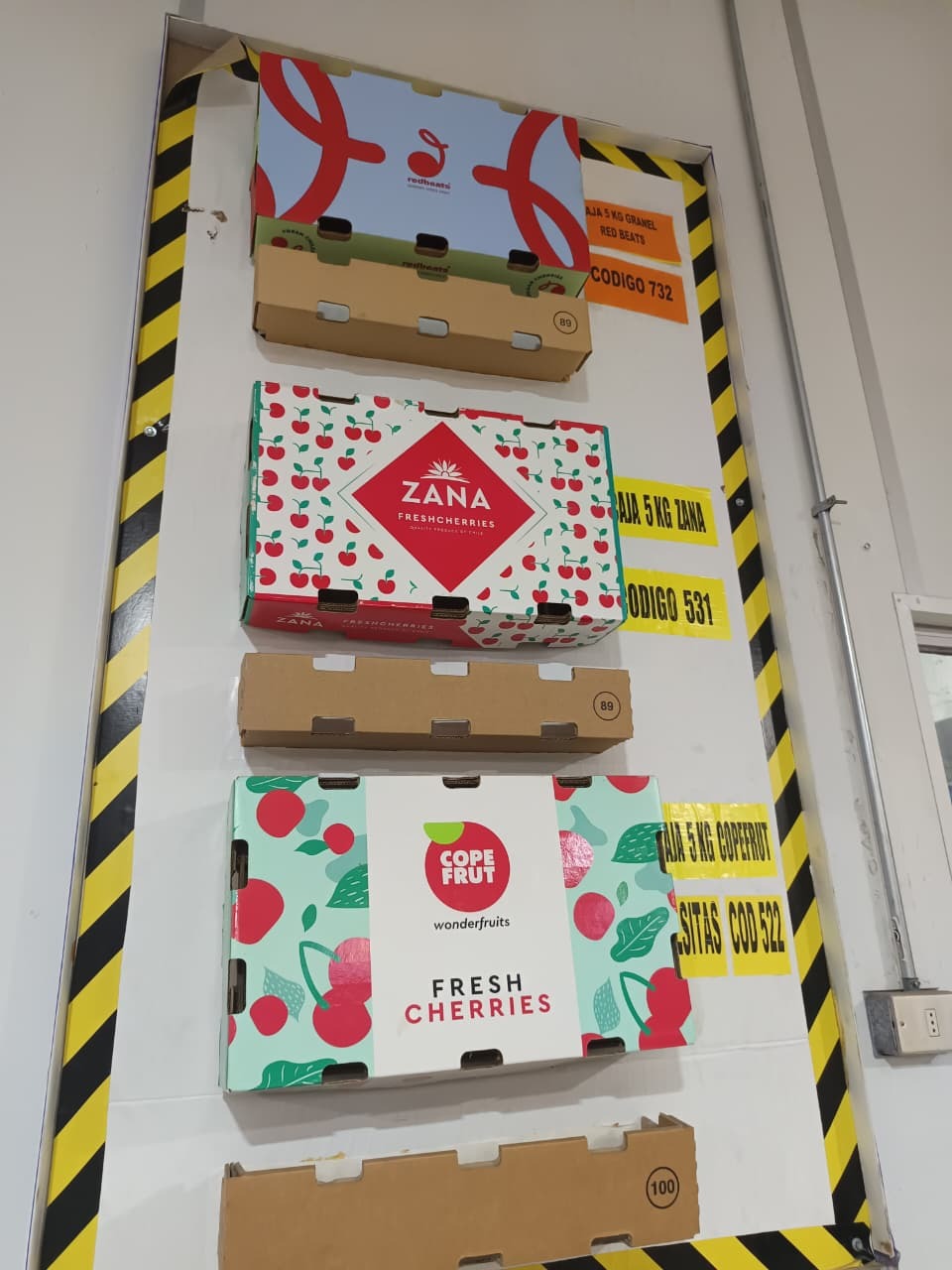
After packing, boxes undergo random inspection on site by Chile’s Agricultural and Livestock Service (SAG), and they move to cold storage rooms maintained between 32 and 34 degrees Fahrenheit for up to 48 hours before shipping.
From there, the fruit is palletized, cooled once again, and dispatched to export containers for delivery overseas markets, including the US.
Copefrut’s CEO adds that the company’s goal remains consistent with its founding mission. The cooperative model, he notes, originally helped growers “achieve economic stability and have more power to sell their fruit, without imagining that over time they would become a major player in Chilean fruit exports.”
*Photography by FreshFruitPortal staff. | All rights reserved.
Related stories
What Chilean cherry exporters can learn from the Maersk Saltoro ship disaster
Uncertainty remains regarding Chilean cherries from the Maersk Saltoro ship in China




Subscribe to our newsletter