







Facing the heat: Climate change, competition, and Mexican avocados' plan to secure export leadership



Written and reported by Macarena Bravo | Lee esta noticia en Español

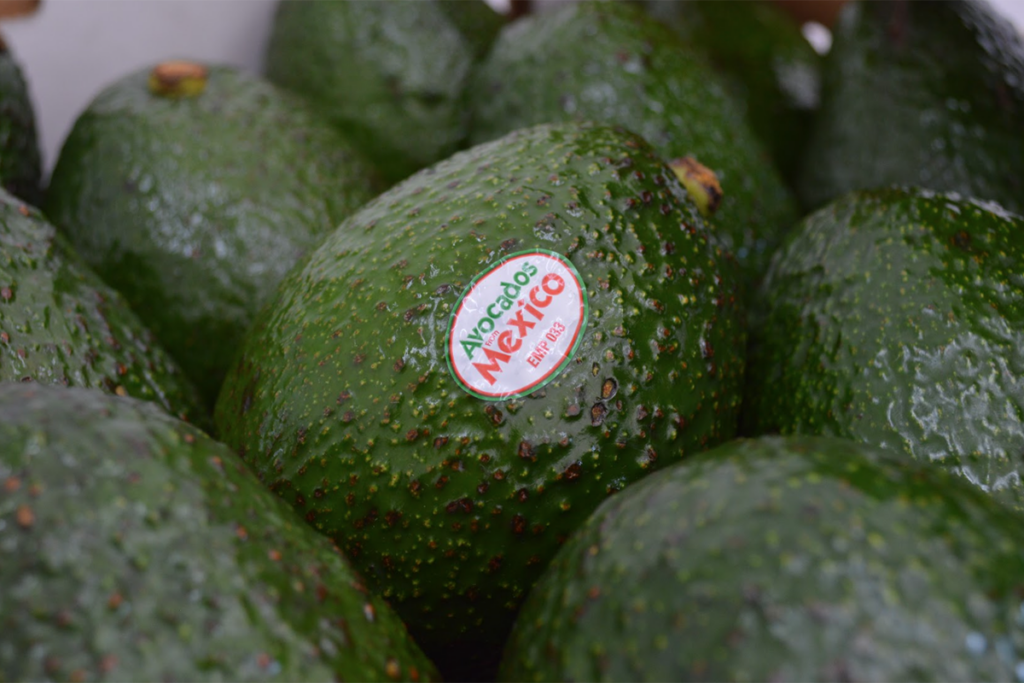
The Mexican avocado industry produces nearly 3 million tons annually, with more than 2 million destined for export. The latter market is primarily led by the US, which absorbs nearly 80 percent of shipments.
Jesús Michel Espinoza, director of the Association of Avocado Producers and Exporters of Jalisco (APEAJAL), told FreshFruitPortal.com that his industry faces growing challenges derived from climate change, water scarcity, and new pests.
The sector is also feeling the heat from international competitors, which have rapidly modernized their productive and logistical systems.
What’s the current outlook of the Mexican avocado industry in terms of production, export, and domestic consumption?
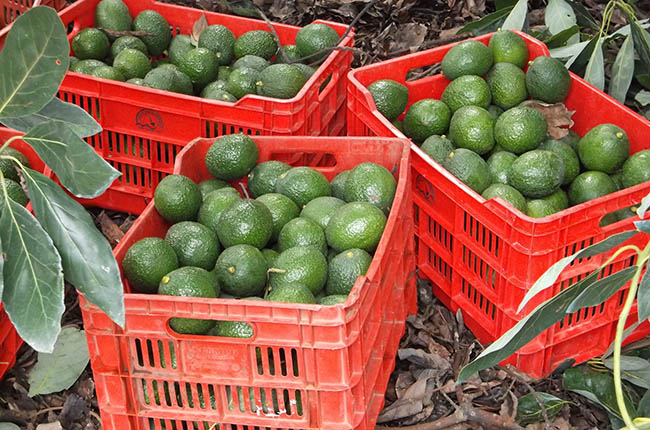
Currently, nearly three million tons of avocado are produced in Mexico, distributed across 30 states. Most of the production is concentrated in Michoacán, Jalisco, the State of Mexico, and Nayarit.
Of the total production, over 60 percent is destined for export, mainly to the United States, followed by Japan, Canada, Europe, and the Middle East.
In terms of production, what have been the main challenges for the sector?
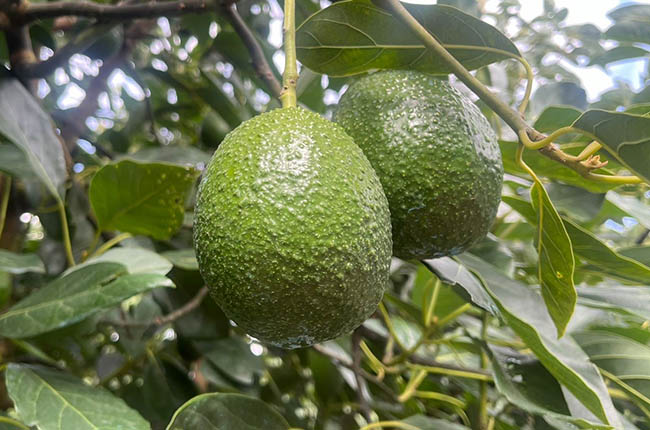
The main challenge is climate change, which directly affects the avocado tree's physiological behavior. This has modified the flowering periods and the fruit's final development, resulting in variations in productivity.
Likewise, water availability has been compromised. In Jalisco, around 85 percent of the surface area is artificially irrigated.
Finally, variations in climate have altered the behavior of the crop's main pests and diseases.
What about the challenges posed by international competition?
Countries such as Peru, Chile, Colombia, Kenya, and the Dominican Republic have increased their planted area, technically upgraded their production, and strengthened their export capacities. This has generated new scenarios for Mexican growers.
The global supply of avocado has increased significantly. Peru and Colombia, for example, have managed to position themselves more strongly in Europe and Asia, which puts pressure on prices and reduces Mexican participation in some markets. Some competitors have lower logistics costs to certain destinations and more efficient routes to Europe, as is the case with Peru.
The cost of production in Mexico, especially in leading states such as Michoacán and Jalisco, is higher than in emerging countries where labor is cheaper or land costs are lower. This reduces the margin of competitiveness.
Likewise, international markets increasingly demand environmental and social certifications, complete product traceability, and responsible water and soil management. Some competing countries have advanced rapidly in adopting these practices as part of their commercial strategy.
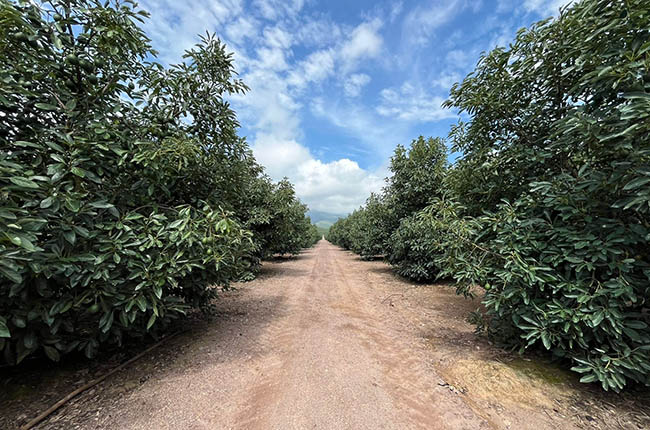
While some countries have increased their yields through high levels of technical sophistication, Mexico faces the challenge of modernizing part of its orchards, especially seasonal ones, to maintain competitive productivity levels.
Although Mexico is a leader in exports, it is highly dependent on the US market, making it vulnerable to regulatory, commercial, or consumer changes. Other countries have advanced more aggressively in expanding into Europe, the Middle East, and Asia.
What is the current outlook for Mexican avocados in the US market?
Until week 47, the US market has shown stable behavior and solid demand.
To date, we’ve shipped 451,885 tons, which reflects a significant advance compared to the annual projection.
This volume confirms that the United States remains the leading destination for Mexican avocados, absorbing the majority of shipments, mainly from Michoacán and Jalisco. Although international supply has grown (from Peru, Colombia, and Chile), the US market maintains a clear preference for the Mexican product, driven by both availability and quality.
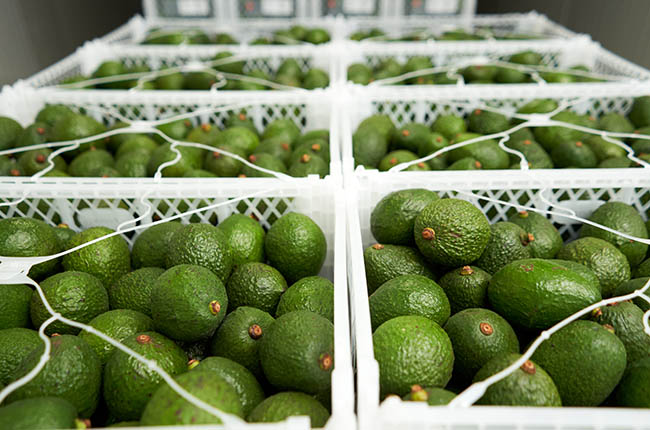
A relevant point is that Jalisco has achieved a 23 percent market share in US imports, enabling the state’s fruit to position itself in the neighboring market, especially at the start of the season, from July through September.
This contribution has been key to guaranteeing the continuity of supply and strengthening Mexico's presence in the market.
How is market diversification doing?
Market diversification is a strategic priority for the Mexican avocado industry in Jalisco.
We currently export to more than 30 countries, including the United States, Canada, Japan, Spain, France, Saudi Arabia, the United Arab Emirates, Hong Kong, and the United Kingdom.
This year, we achieved significant progress in opening the Brazilian market, a destination with strong growth potential in South America. Likewise, APEAJAL continues to work in a coordinated manner to open new markets, such as Chile, South Korea, and China.
These countries represent strategic opportunities to expand our global presence and strengthen Jalisco avocado's competitiveness.
What kind of technology are producers adopting to improve the efficiency and quality of Mexican avocados?
They are incorporating new technologies for precision agriculture to improve productivity, efficiency, and fruit quality.
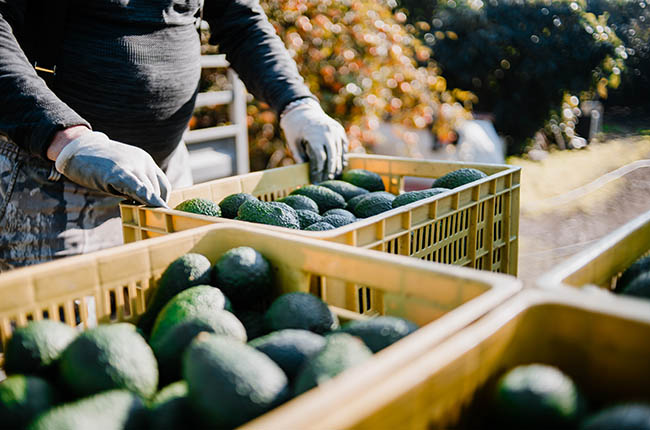
In recent years, meteorological stations have been installed within the orchards to record variables such as temperature, rainfall, relative humidity, solar radiation, and wind speed in real time. This information allows for more precise adjustment of irrigation programming, anticipation of climatic risks, and optimization of input application.
In parallel, the use of sensors in soil and plants has gained relevance, as they enable continuous monitoring of soil moisture at different depths and provide indicators of tree growth and physiological status.
Additionally, Mexican avocado growers are using drones equipped with multispectral cameras to generate NDVI maps. These enable the identification of areas with less vigor, possible nutritional deficiencies, pest problems, or water stress before they are visible in the field.
Many producers have also migrated to drip irrigation systems, which allow for considerably more efficient water use. This method also facilitates fertirrigation, which carries nutrients directly to the root zone in precise doses.
What strategies are you using to position Mexican avocados as a premium product internationally?
We are promoting a strategy based on quality, technology, and certifications. The adoption of tools such as meteorological stations, sensors, drones, and drip irrigation allows us to improve field efficiency and guarantee more uniform fruit with better characteristics for high-value markets.
At the same time, we are strengthening producers' certification to standards such as SRRC, GlobalG.A.P., SMETA, and USDA requirements. These accreditations open new commercial opportunities and position our product in the best windows of the international market.
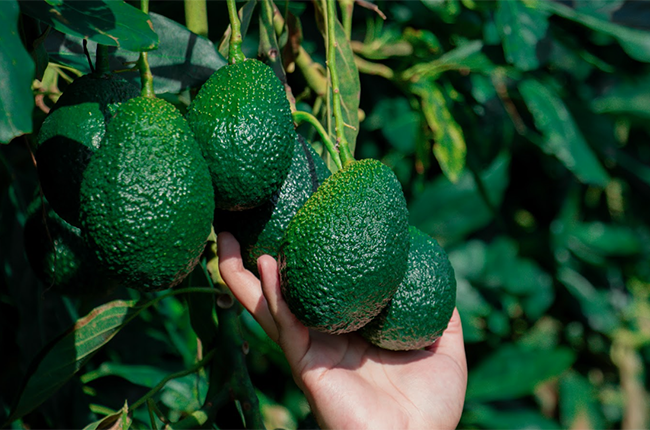
APEAJAL’s new board of directors has set the goal of supporting producers in this process.
Although we still don’t have defined digitalization or artificial intelligence projects, we’re open to adopting them in the future to strengthen the sector's traceability and competitiveness.
Together, these actions seek to consolidate Mexican avocados as a reliable, high-quality product with a global projection.
What role will sustainability play in the international competitiveness of Mexican avocados?
Sustainability has become a central element for the international competitiveness of Mexican avocados. In the main destination markets—mainly the US, the EU, and Asia—the environmental and social requirements for agricultural products have tightened.
Factors such as water-use efficiency, emissions reductions, traceability, biodiversity protection, and respect for labor conditions have become decisive in guaranteeing access to these markets.
Failure to address these demands could lead to non-tariff barriers, commercial restrictions, and a decrease in global presence for Mexican exporters.
Finally, what message would you like to send?
Today, it is no longer enough to produce avocados. The future demands that we produce better, smarter, and with less.
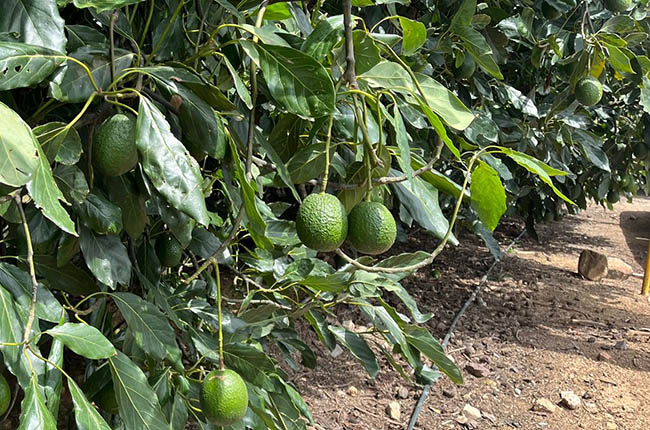
To remain competitive and ensure the permanence of our sector, we must commit to efficient use of resources, strengthen the main safety schemes, and fully assume our social responsibility.
Our path must be based on five fundamental axes: plant health, safety, sustainability, productivity, social responsibility, and traceability.
These pillars not only raise the quality of what we do but also guarantee that every avocado that reaches the market represents a real commitment to health, the environment, and the well-being of our communities.
Likewise, the Mexican avocado industry needs to bet on continuous innovation by incorporating technologies, sustainable practices, and systems that enable us to improve every day. No challenge can be overcome in isolation: only by working together—producers, packers, exporters, and all actors in the chain—will we be able to strengthen the Mexican avocado industry and successfully face current challenges.
The message is clear: if we want to remain leaders in the world, we must evolve, innovate, and collaborate. Mexican avocados have a great future, and it is in our hands to build it responsibly and sustainably.
*All images are referential
Related stories
Mexican avocado production and exports projected up in 2025
Mexican avocados dominate US market, while Europe reports lowest volume in weeks





Subscribe to our newsletter