

Global shipping braces for rough 2026 as overcapacity crisis finally sets to hit the market
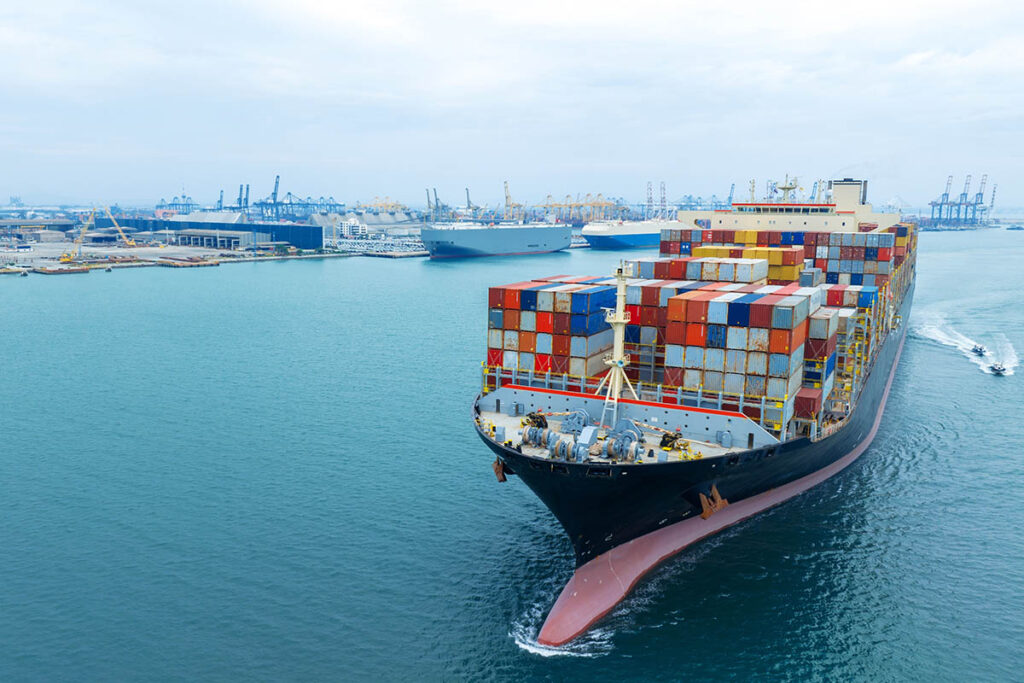

The new year has arrived with a rather tumultuous start, as the global shipping industry prepares for what at all lights looks like rough months ahead. Tariffs, geopolitical conflicts, unexpected weather events, and tit-for-tat trade policy between the United States and China covered 2025 with a thick layer of uncertainty that experts say isn’t going anywhere in 2026.

This time around, volatility is taking the shape of overcapacity. Shippers have been anticipating this problem since the post-pandemic consumption boom, but it’s only now that the sector expects to see its real impact.
However, this is only one of the trends marking the beat for the global shipping industry in 2026, a year that, according to several sector outlooks, we might be better off just skipping.
Tariffs and trade turmoil are far from gone
The Trump Administration shook global commerce with its tariff policy, prompting governments around the globe to run to the table in hopes of striking a deal with one of the world's biggest economies.
A long list of countries signed new trade agreements with the US, but negotiations with big players are still ongoing. India, Brazil, and South Africa, among others, have yet to come to an agreement with the White House, but China remains the biggest question mark on the trade map.

After a dizzying back-and-forth with the US, in which the countries retaliated by imposing shipping fees and extra tariffs on imports, the Asian Giant agreed to a temporary halt to the escalation. However, the truce’s expiration date is set for November, which, according to Darron Wadey, a consultant and global shipping industry analyst at Dynamar, will reignite old feuds.
“The most important trading relationship that the United States has, especially with regard to shipping, is with China, and all the issues there go beyond just purely trade,” he says.
The expert explains that, unless something substantive happens, as the deal’s deadline looms closer, many of the concerns the global shipping community had regarding these two economies back in October will resurface. And that they won’t wait until Q4 to do so—Wadey is expecting volatility to hit the market around July or August.
But since this is not their first rodeo, the expectation is that global shipping lines will be prepared this time and be able to reposition their ships earlier in the game, minimizing negative outcomes as much as possible.
The reopening of the Red Sea and other geopolitical hurdles
Passage through the Suez Canal and the Red Sea is the shortest route connecting the US and crucial markets for the American economy, such as India and the Middle East.
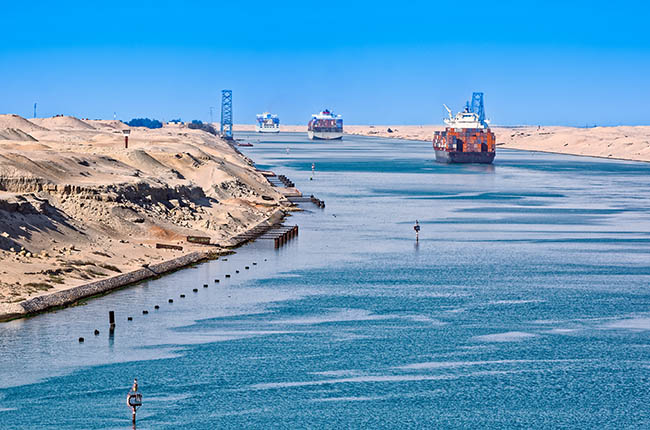
However, the armed conflict in Gaza, added to the persistent threat of piracy in the region have effectively rendered the corridor too dangerous to use. This has forced shippers to sail around the Cape of Good Hope in Southern Africa, a longer, more expensive route that’s not exempt from its own risks.
The October ceasefire between Israel and Hamas was the first step to reopen the Red Sea to global shipping services. Companies like the French CMA CGM have been gradually resuming services through the Suez Canal, and Maersk is laying the groundwork to follow suit. Likewise, Hapag-Lloyd’s CEO Rolf Habben Jansen told customers that the line is also eyeing a return to the corridor but wants to make sure it’s safe first, as the peace agreement remains extremely fragile and has already been violated multiple times.
The efficiency to be regained by opening the Red Sea is undeniably good news for shippers, exporters, and importers. However, Wadey warns about what could happen if the return is not gradual. Suddenly shifting from an eight-week transit route to a two-week route can cause significant disruption, such as port congestion and service changes.
“You've got the security and the safety aspect on the one side, but you've also got the logistical disruption on the other,” Wadey explains. “It's not going to be wholesale. It's not going to be all in one go.”
On the other side of the world, American attacks on Venezuelan waters may have complicated routes to the US and Central American countries through the Atlantic. Unfortunately, it’s still too early to say what recent events mean for the global shipping industry, effectively cranking up volatility levels.
According to Wadey, this is still a wait-and-see game, and the ball is in the American court: “If the United States decides to impose an exclusion zone, that's going to disrupt shipping.”
At the time of writing, shipper CMA CGM had informed its customer base that operations in Venezuela remain unaffected. The company confirmed that laden containers discharged at local ports are being handled as planned, and those currently at sea are expected to be delivered without disruption. There’s no impact on cargo delivery to consignees in the country, the firm said.
Likewise, Maersk called for calm: “As long as safety and operational conditions allow, services will continue.”
Overcapacity, a looming threat
An ill-paced reopening of the Red Sea might also unmask a problem the global shipping industry has been fearing for quite some time—overcapacity.
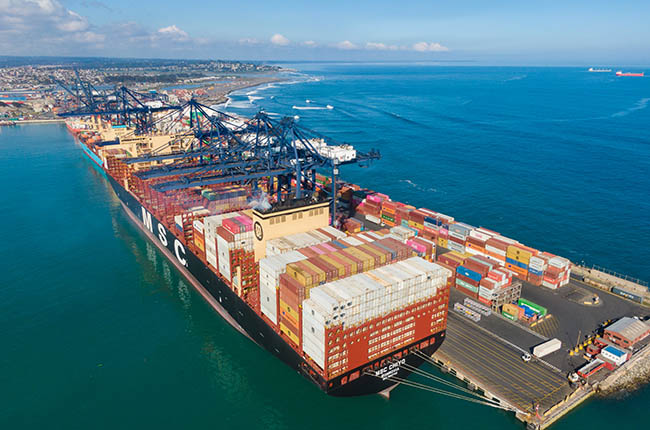
As trade surged in the post-COVID years, the global shipping industry responded in kind by building more and bigger ships to keep up with demand. However, things slowed down, creating an imbalance.
“Between September 2022 and September 2025, global container shipping capacity has increased by 27 percent,” says Wadey. “The growth in cargoes over that same period is only 8.5 percent. There's a deficit for sure.”
Luckily for global shipping companies, tariffs and geopolitical crises then made a timely entrance onto the global stage, creating enough disruptions to absorb much of the underlying overcapacity. This not only prevented potential losses but also translated into wider profit margins for the global shipping industry.
“I always find it ironic that the great strength of global shipping is its efficiency. But actually, what is helping make a lot of money at the moment are disruptions,” Wadey says. “The solution is more expensive than the actual service working.”
However, this income surge was unable to offset plunging shipping fees due to the US tariff trade policy, with prices falling by more than 50 percent on some of the most popular routes.
With disruptions easing up, the dampening effect is dissolving, says the expert, shedding light on what should already be here.
“Two years ago, some of us were saying, ‘Winter is coming.’ And then the Red Sea happened, and that just absorbed the capacity. But it was still coming,” Wadey says.
The Dynamar expert explains that the global shipping industry is shifting gears by building more ships, only smaller ones. This has narrowed the deficit slightly—during the first nine months of 2025, global trade grew by 4.7 percent, according to Wadey, while capacity increased by 7.4 percent.
He says the difference is evident but manageable, and might even come in handy if the industry needs some flexibility. Although overcapacity levels are easing, the deficit has persisted for over three years, potentially leading to market disruptions as the global shipping industry adjusts.
Wadey’s analysis adds to the already grim projections from the American National Retail Federation, S&P Global Ratings, and Moody’s. Unanimously, these entities forecast a weak year for container volumes at US ports, but predict a solid recovery for 2027.
Related stories
Chile sets sail for the US: Koru kicks off fruit season with a big first shipment
Container Port Performance Index: Key ports in developing nations are on the rise









Subscribe to our newsletter