
Cherry bacterial canker: Chilean researchers reveal pathogen adaptation and warn about copper resistance
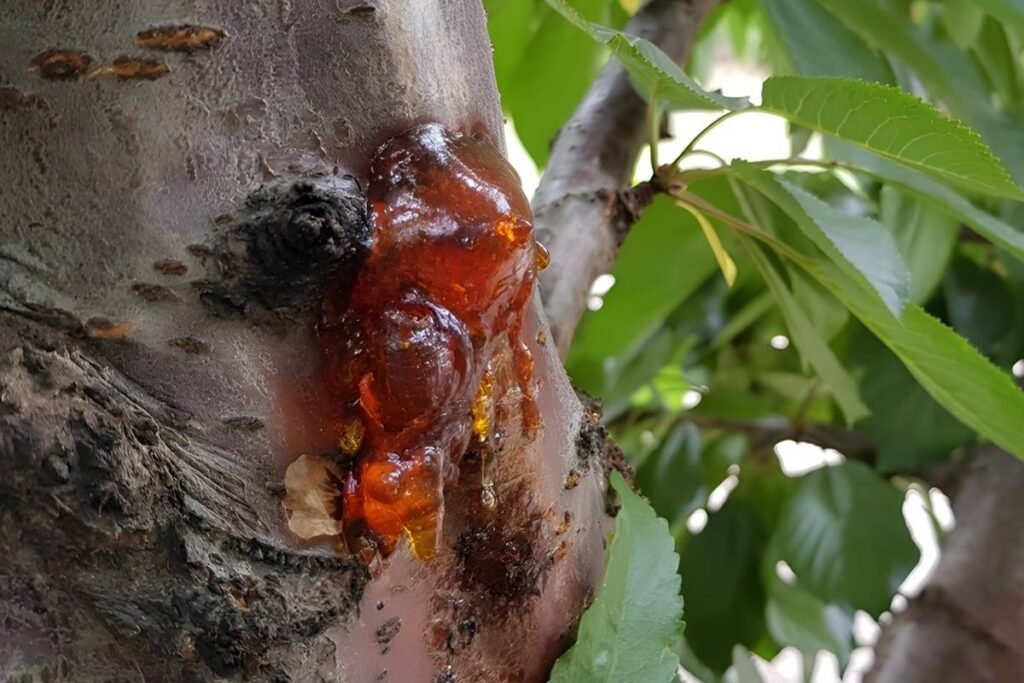

Cherry bacterial canker, the most important disease affecting the crop in Chile, the world’s largest exporter of the fruit, is once again the center of scientific analysis.

A new study by the country’s Institute of Agricultural Research (INIA) and published in the journal Plants looks into breaking down the different strains of this disease, which is responsible for production losses of up to 20 percent a year.
After looking at samples taken in orchards in Chile’s main cherry-producing regions, the results show that the Pseudomonas syringae pv syringae (Pss) pathogen is not only foreign, but has evolved and adapted to the agroclimatic conditions and management practices typical of local farming practices.
Cherry bacterial canker: A difficult disease to manage
According to the researchers, the bacteria’s adaptability helps explain why it remains such a difficult disease to manage in the field, despite the sector's efforts to implement control measures.
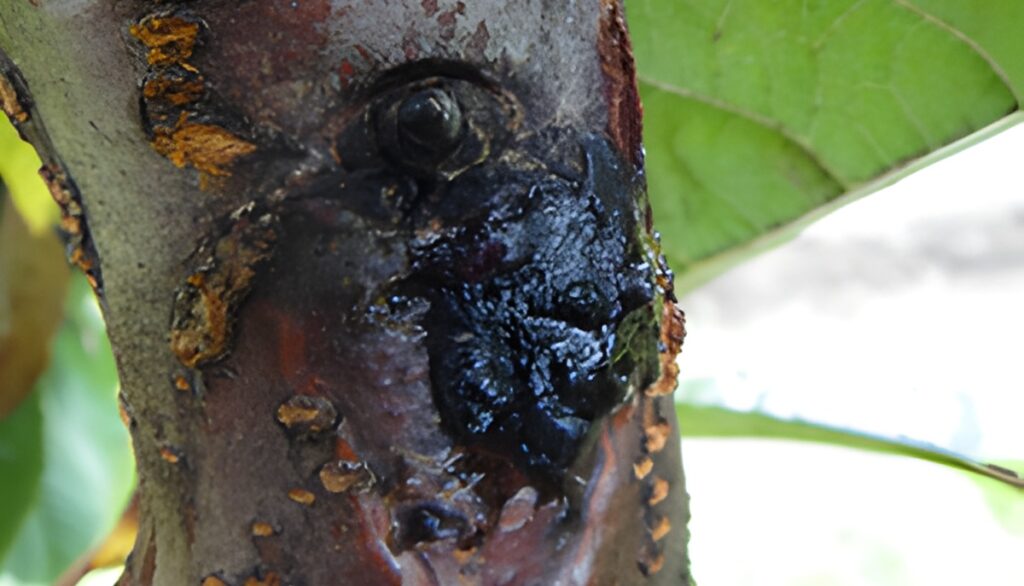
"[This work] allows us to better understand how the populations of these bacteria behave in Chile, key information for designing more effective and adjusted management strategies for our productive reality," said Boris Sagredo, researcher at INIA Rayentué and lead author of the study.
Bacterial canker resistance
One of the most relevant findings of the work is that some populations of Pseudomonas syringae have developed greater resistance to copper-based products, a material that has historically been used to control bacterial diseases in fruit trees.
This finding reinforces the need to move towards integrated management strategies that combine cultural practices, timely monitoring, and a better use of available products.
According to INIA, the results of this study will help strengthen detection and monitoring systems for bacterial canker, support the selection of plant material with greater tolerance, and optimize control strategies in orchards. These practices will contribute to more resilient and sustainable cherry production.
The research is part of a line of work that INIA has been developing since 2017. It was initially supported by the Regional Government of O’Higgins and subsequently funded by the National Research and Development Agency (ANID) through government grants for science and innovation.
*All images courtesy of INIA.
Related stories
University of Florida study enlists local residents to fight the spread of citrus greening disease
Fresh Del Monte: global banana shortage will require “substantial adjustments”
Sunblotch viroid—the silent avocado killer raising concerns in Florida groves






Subscribe to our newsletter