


Sunblotch viroid—the silent avocado killer raising concerns in Florida groves
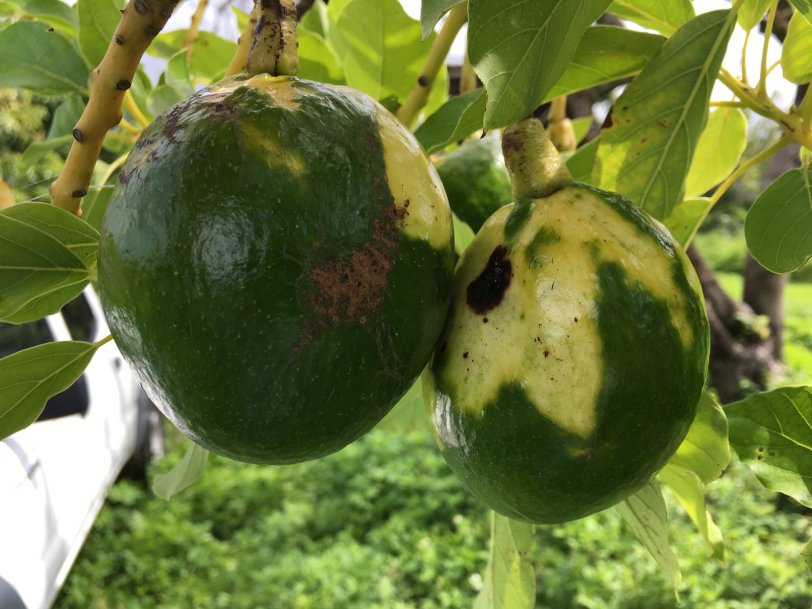



Florida avocado growers are facing a renewed threat from sunblotch viroid (ASBVd), a disease capable of cutting yields by up to 80 percent and rendering fruit unmarketable.


Fortunately, University of Florida researchers Jonathan Crane and Romina Gazis tell FreshFruitPortal.com that the industry is still on time to prevent it from taking root.
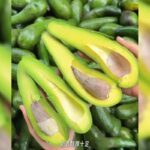
Common symptoms of ASBVd include sunken, yellow, red, or white discolorations on fruit, along with narrow, necrotic streaks on twigs. Stunted tree growth, with distorted limbs, can also be a sign of the viroid’s presence.
Historically well controlled in the state, sunblotch is reemerging as growers are propagating tens of thousands of new avocado trees. The switch is a measure to replace laurel wilt disease losses, a well-known vascular fungal pathogen, and another of the Sunshine State’s biggest foes.
These rapid replanting efforts risk unintentionally spreading ASBVd due to a lack of sanitation and indexing protocols in nurseries.
But all is not lost.
Reports from a major Florida producer managing over 1,000 acres of avocado trees have prompted the university to issue alerts and guidance to the sector.
“We have been sending these notices out to the avocado producers, nurseries, and the industry to alert them of this,” notes Crane, a crop specialist at UF’s Institute of Food and Agricultural Sciences’ Tropical Research and Education Center (TREC). “And that's been successful—people are talking about it.”
Root of the problem
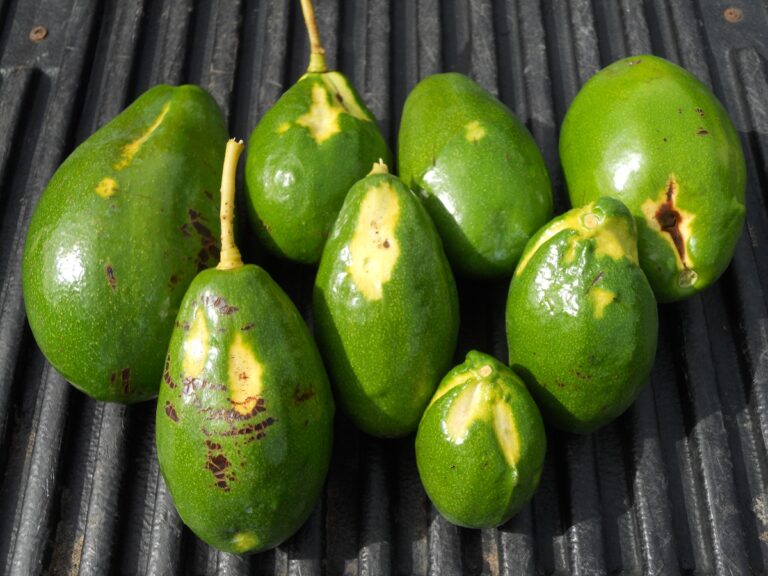
As a viroid, the sunblotch is a minuscule organism of only 247 nucleotides (roughly 0.00042 mm), explains Gazis, associate professor of plant pathology and director of the Plant Diagnostic Clinic at TREC. It spreads through several channels, such as contaminated budwood, infected seedling rootstock, connected roots of mature trees, pollen, and even grafting tools.
Hand pruning equipment, saws, pruning shears, and even injection equipment can move the viroid, stresses Crane.
Unlike California, which uses clonal rootstocks and has a clean budwood certification program, Florida’s avocado propagation relies largely on seedlings. These are often from unchecked mother trees.
“What’s happening now is that [growers] may be getting the seeds from a carrier of the virus, which may or may not show symptoms,” explains Gazis. As a result, the problem is propagated along with the plant.
Growers planting in northern Miami-Dade County and into central Florida may not realize they are importing the viroid into new areas, especially if propagation material is asymptomatic or untested.
“The viroid has been in Florida since 1941,” adds Crane. “If you're unknowingly propagating plants that already have the disease, in about four or five years, you'll start to see this all over the place. And now you've got to basically start [production] over because you've got all these infected trees.”
Preventing sunblotch disease
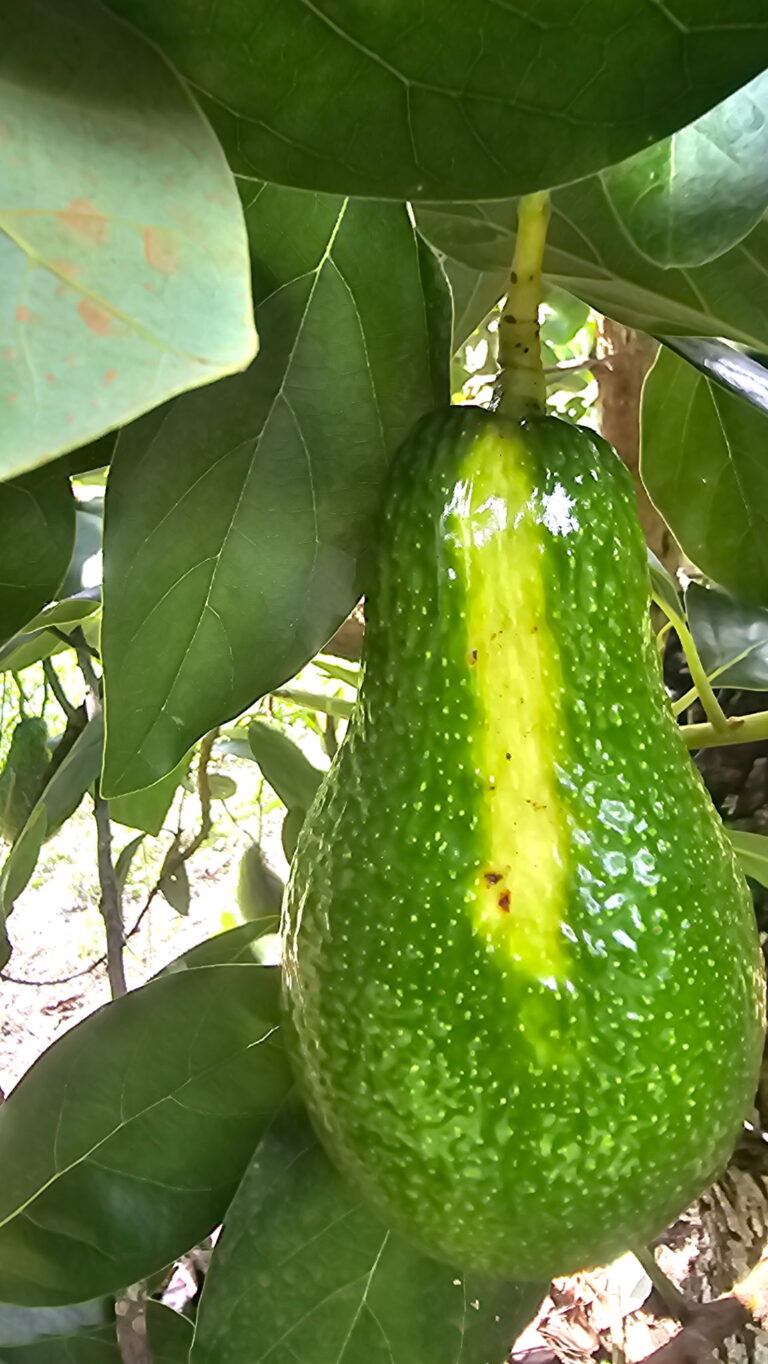
While the UF/IFAS researchers stress that ASBVd poses no threat to avocado fans even if consumed, Gazis and Crane recommend immediate sanitation measures upon detection, including removal of trees and follow-up testing of flora. This is particularly important in groves with older trees where root grafting is most common.
“We don't want to send out any misconception or alarm to not buy Florida avocados. That is not the case. Affected fruit would never be harvested, and even if it were, they would be pulled out of the packing line because of these distortions in them,” Crane emphasizes.
Although there is no cure for the sunblotch viroid, early detection, sanitation, and education can prevent long-term economic damage. The university is increasing support to growers through digital resources, social media, and TREC’s on-site plant clinic in Homestead, FL.
“If they are propagating their own material, or if they are selling the seeds for rootstock, I would definitely encourage them to test even non-symptomatic trees,” Gazis adds.
Growers are urged to source clean material, scout trees frequently, and send any suspected specimens for testing at TREC’s clinic. They should also maintain constant communication with packing houses to track rejected fruit and identify potential viroid symptoms early.
“Sometimes the growers don't know how many or why the fruit was rejected by packing houses. So it's important that the packing house communicates with the grower and also knows how to identify defects on the fruit,” Gazis adds.
*All photos courtesy of UF/IFAS.
Related stories
Mexican avocado supply rises in the US, while Europe doubles imports
US avocado market sees unexpected shift as consumers embrace smaller sizes




Subscribe to our newsletter