



Guava puree market set to nearly double by 2036
 Add Fresh Fruit Portal to Google
The global guava puree market is on track to grow from $547 million this year to nearly $952 million by 2036.
According to the data and analytics firm Future Market Insights, the industry will grow at a 5.7 percent compound annual growth rate, fueled by beverage manufacturers' hunt for tropical flavors that do double duty: add color and sweetness, with no additives.
Beverages are leading the charge—and guava fits perfectly
Guava puree's biggest application is beverages, which accounts for more than half the market at 53.6 percent of revenue. That dominance is no accident: As manufacturers race to clean up ingredient lists and ditch artificial coloring, guava's natural pink pigmentation and balanced acidity make it a rare two-for-one featuring both flavor and color.
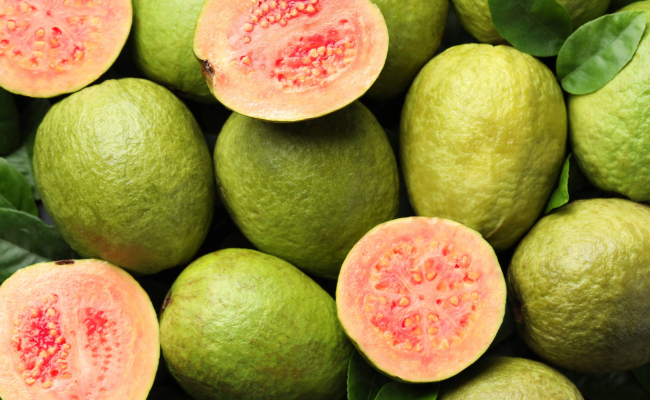
The tropical pink variety, which holds 47.8 percent of the market by type, is the cultivar of choice for premium juice blends, smoothie bases, and flavored waters, precisely because its color shows up naturally.
Baby food manufacturers are following close behind, as it allows them to advertise products with no added sugar labels, verified pesticide limits, and clean traceability.
According to the report, the most commercially relevant guava format isn't fresh or frozen, but concentrated puree, accounting for 42.3 percent of the market. The category is a favorite because the product's low water content reduces freight costs, extends shelf life, and enables international trade at scale. For food manufacturers sourcing across continents, that efficiency is the deciding factor.
China and India, the leading growth engines
China is the leading industry growth driver, with a projected eight percent CAGR, fueled by surging packaged beverage production and a consumer base warming fast to tropical fruit flavors in the Asian market.
India follows closely at a 7.4 percent CAGR, benefiting from a structural advantage: it's one of the world's largest guava producers. According to Future Market Insights, government investment in cold chain infrastructure is also enabling seasonal guava harvests to last year-round.
Germany (6.8 percent), France (6.2 percent), and the UK (5.6 percent) round out the fastest-growing markets, all anchored by their demand for organic, clean-label, and sugar-reduced formulations.
The challenges facing the guava puree market
The market's main risks are weather-related inconsistencies. Seasonal harvest variability has been worsened by weather disruptions (as seen in Latin America in 2025), creating a supply chain instability that smaller processors struggle to absorb.
Other pricing pressures include high costs for aseptic packaging and cold storage, and EU import regulation requirements that complicate the opening of international markets to producers who haven't invested in documented traceability systems.
According to the firm’s senior researcher Nandini Roy Choudhury, the competitive edge in this market lies with processors that have established cold-chain infrastructure, aseptic capabilities, and certifiable sourcing records.
Formulators are already experimenting with guava-citrus blends for sports hydration, fillings in frozen desserts, and purees fortified with natural fiber and antioxidants for the functional beverage segment. Organic-certified frozen guava puree is drawing strong interest from European premium buyers.
The companies best positioned to capture that growth, FMI analysts say, are the ones investing now in processing capacity, sustainable packaging, and the traceability infrastructure that multinational food brands increasingly require before signing a sourcing contract.
Related stories: