Meet the Kohitur mango, India’s rare cultivar even billionaires can’t afford
 Add Fresh Fruit Portal to Google
India is well-known worldwide for cricket, cultural diversity, and Bollywood. But another not-less-valued jewel in the Indian bounty is the country’s wide array of delicious mangoes, including the exclusive Kohitur.
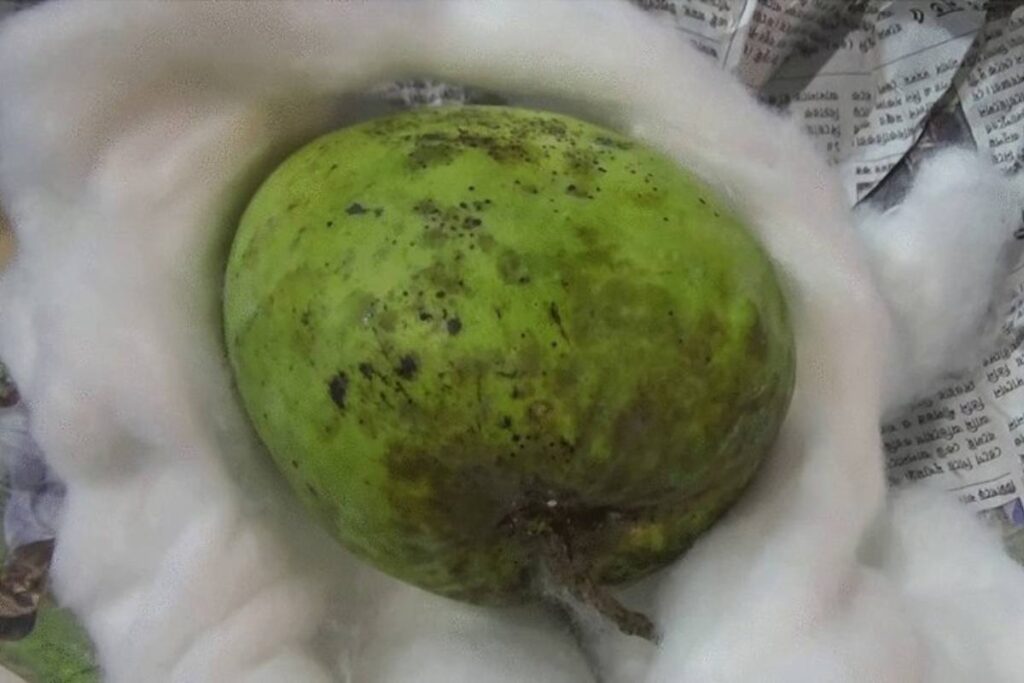
The Asian subcontinent is the leading global mango producer, with a portfolio featuring renowned varieties such as Alphonso, Kesar, and Dasheri. Among them, there's the Kohitur, a coveted cultivar that stands out for its flavor and creamy texture. It costs over $20 a piece, can only be handpicked, and is served in cotton to protect its skin.
The priced variety has captured the imagination of fruit enthusiasts everywhere, especially after Harsh Goenka, chairman of major Mumbai-based conglomerate RPG Enterprises, shared a photo of the elusive fruit online and confessed he himself could not afford its $20 (₹1,500+) per piece price tag.
Kohitur is an extremely rare, premium mango from West Bengal (Murshidabad) historically reserved for Nawabs, selling for approximately ₹1,500+ per piece. They are cushioned in cotton wool during handling to protect their fragile skin. pic.twitter.com/CCBwTahhf3
— Harsh Goenka (@hvgoenka) February 27, 2026
The Kohitur, the crown jewel of India’s mangoes
Often likened to the legendary Kohinoor diamond, the Kohitur is famed for its brilliance, rarity, and aura of prestige. According to Ivy Paradise Plant nursery, the Kohitur is recognized for its elongated shape, vibrant golden-yellow color, smooth texture, and a sweetness balanced by a subtle tang. The texture is fiberless and creamy, with a deep floral aroma.
According to local news outlet The Times of India, the cultivar was developed in Murshidabad, West Bengal, by combining select mango saplings, including the critically endangered Kalapahar variety. It is believed to have originated during the rule of Nawab Siraj-ud-Daulah in the 1750s and was reserved exclusively for royal families.
Because of their extremely delicate nature, prone to bruising or bursting if dropped, pickers used bamboo splinters to gently separate them from the tree, as any damage was thought to affect their flavor. The care of the fruit was so important during the Nawabi era that there was a specialized group of people assigned to meticulously overseeing the orchards known as “mango clerks.”Today, Kohitur mangoes are carefully handpicked, with jute bags hung from trees to prevent bruising. When handled or served, they are wrapped in soft cotton wool to continue protecting them through transit.
Consumers even avoid metal tools when handling the fruit, opting for wooden knives to protect its flesh. According to a grower interviewed by news outlet Get Bengal, even heat can damage the mango, so it must be regularly rotated within its crate during storage.
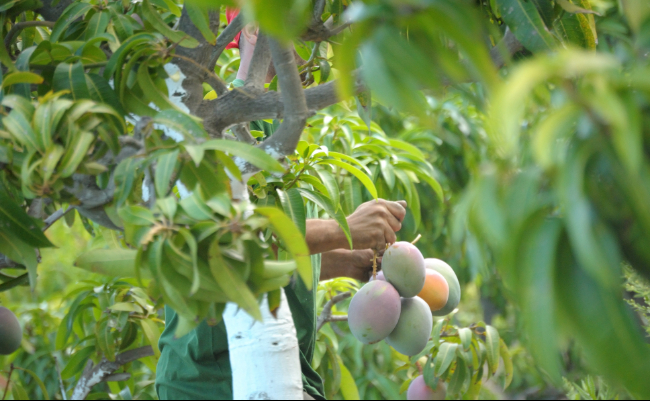
To add more mystery to the legend, the Kohitur is also rare to find. The variety is primarily restricted to Murshidabad district in West Bengal, India, as its production was once limited to royal gardens and wealthy merchants.
Last year, a mango grower told Indian news outlet CNBC TV18 that in 2025, out of the remaining trees in the Nawab's historic garden, only three bore fruit, yielding a mere 150 mangoes. Some years, that’s the limit of production of the mango.
*Main image courtesy of Banerjee, Saikat & Mitra, Paroma. (2022) Revamping heritage brand: a case of Murshidabad, West Bengal, India. All other images are referential.
Related stories:
Mexican mangoes: How the tropical fruit has conquered North American hearts and palates
South Korea goes tropical: Global mango imports and e-commerce drive demand