Could this cactus fruit be the next weapon against metabolic syndrome?
 Add Fresh Fruit Portal to Google
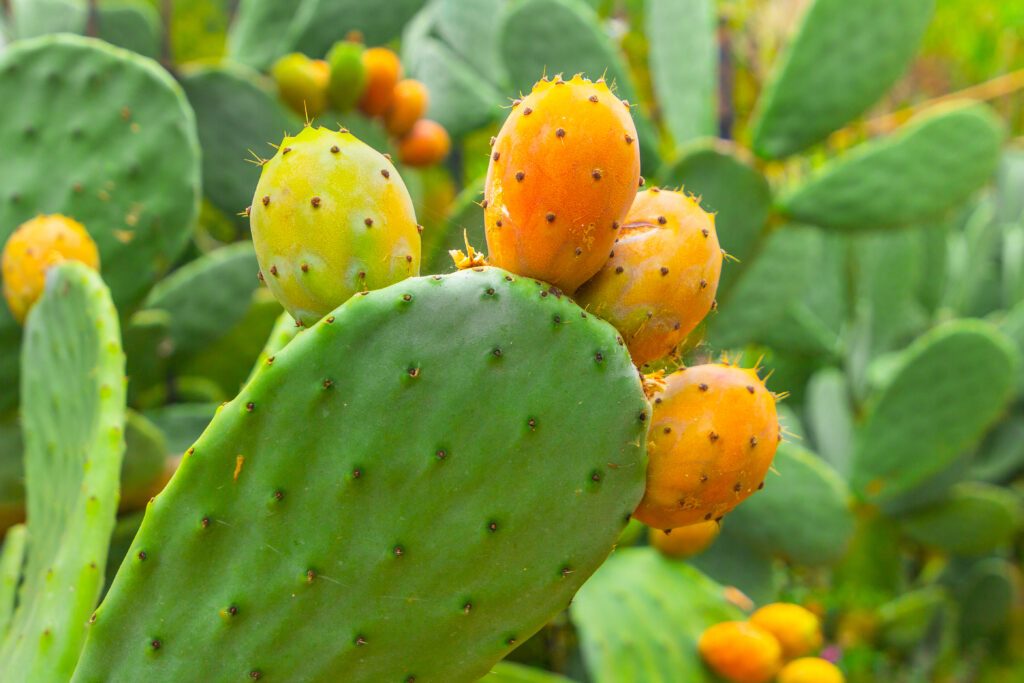
New research suggests a prickly fruit may soon move out of niche status and into the spotlight as a potential aid to metabolic health, thanks to its unique nutrient and compound mix.
A recent narrative review published in the open-access journal Nutrients examines Opuntia ficus-indica, the cactus fruit commonly known as prickly pear, and its potential role in addressing metabolic syndrome. The condition affects approximately 40 percent of Americans, according to US National Survey Data from 2023.
Metabolic syndrome includes conditions such as insulin resistance, high blood pressure, excess abdominal fat, and abnormal lipid levels, all of which increase the risk of cardiovascular disease and type 2 diabetes.
However, researchers warn that science has yet to catch up with the buzz.
Prickly potential
According to the review, prickly pears offer a particular combination of nutrients and phytochemicals that may be relevant to metabolic health. The fruit contains about 85 to 92 percent water, which contributes to its low calorie density, and provides between 0.1 and 0.18 ounces of dietary fiber per 3.5 ounces of fresh pulp. Much of that fiber is soluble, including mucilage and pectin.
Soluble fiber is associated with delayed gastric emptying and improved blood sugar control, which could have a positive impact on metabolic syndrome. The fruit also delivers micronutrients such as potassium, folate, calcium, and magnesium.
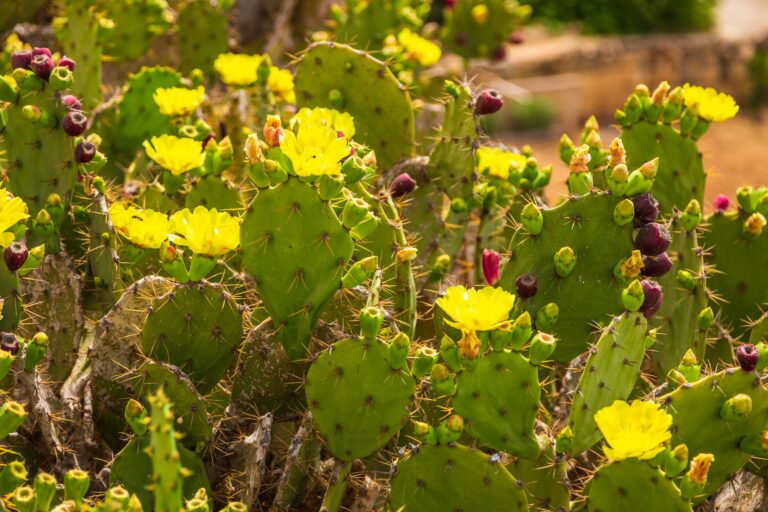
Beyond basic nutrition, prickly pears contain a range of phytochemicals, including flavonoids, phenolic acids, carotenoids, and betalains. Seeds, which are typically consumed along with the pulp, provide additional compounds, including polyunsaturated fatty acids and phytosterols.
Flavonoids and polyphenols, also found in the fruit, have been shown in experimental models to act as antioxidants and influence insulin signaling pathways. These compounds may also play a role in lipid metabolism by reducing fat synthesis and promoting fat oxidation.
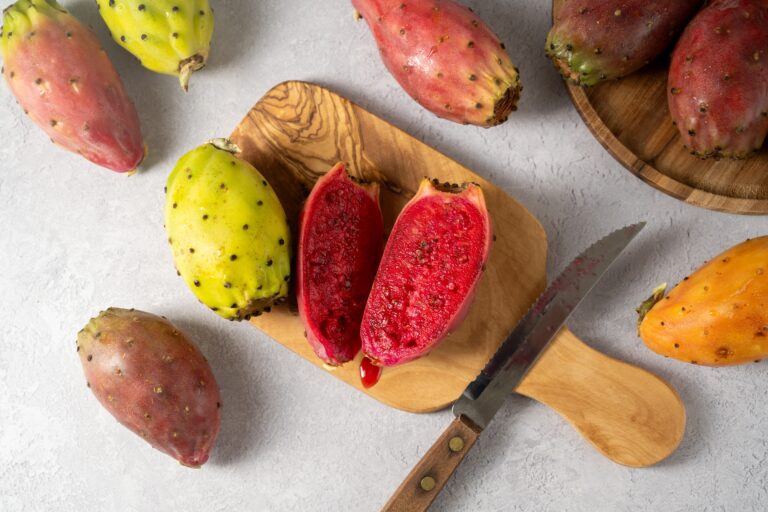
Betalains, the pigments responsible for the fruit’s color, have demonstrated anti-inflammatory and antioxidant activity in preclinical studies. Researchers report that these compounds may help protect vascular cells and reduce liver fat accumulation in animal models.
In addition, amino acids such as arginine may support vascular function through nitric oxide production.
Human data remains limited
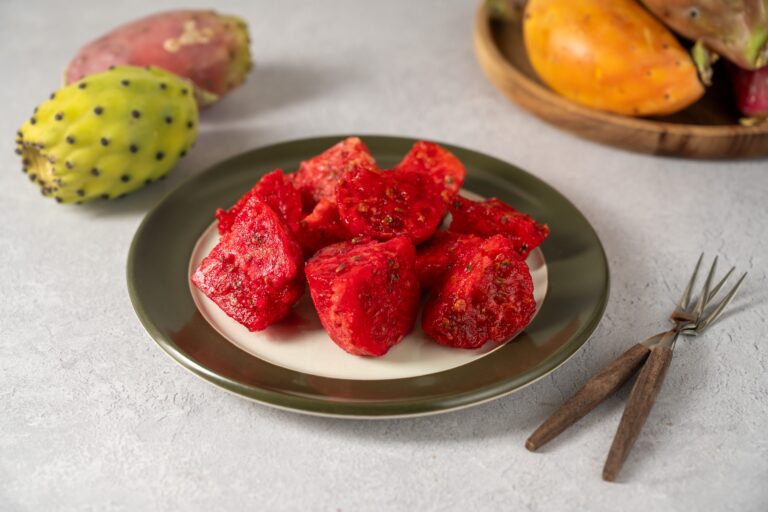
While preclinical findings are consistent, human data are still scarce. Small-scale studies in healthy individuals have shown reductions in oxidative stress markers following prickly pear consumption, and researchers have confirmed that some key compounds are bioavailable at typical dietary intake levels.
However, the review notes that clinical trials involving individuals with metabolic syndrome are limited. Existing studies tend to include small sample sizes, short intervention periods, and inconsistent fruit preparations, making it difficult to determine efficacy.
*All images are referential.