Ecuador and the United States strengthen agricultural cooperation

 Add Fresh Fruit Portal to Google
Ecuador's Ministry of Agriculture, Livestock, and Fisheries (MAGP) held a working meeting with representatives of the United States government to strengthen bilateral cooperation in agricultural trade and food security.
The US delegation included Lawrence Petroni, Chief Lead of the US mission in the Latin American country; Robert Tuebner, Regional Agricultural Attaché; Michael Benton, Commercial Attaché; and specialists from the US Department of Agriculture’s Foreign Agricultural Service (USDA-FAS).
During the meeting, the representatives discussed various mechanisms to strengthen bilateral exchanges, including regulatory processes and alternatives to expand access to the US market for Ecuadorian products.

“Ecuador is not just looking for markets—it is looking for allies for rural development and economic security,” stated Minister Juan Carlos Vega, in remarks reported by the entity.
An opportunity for Ecuadorian fruits
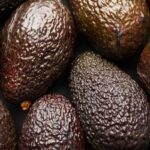
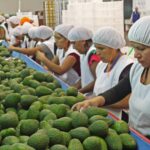
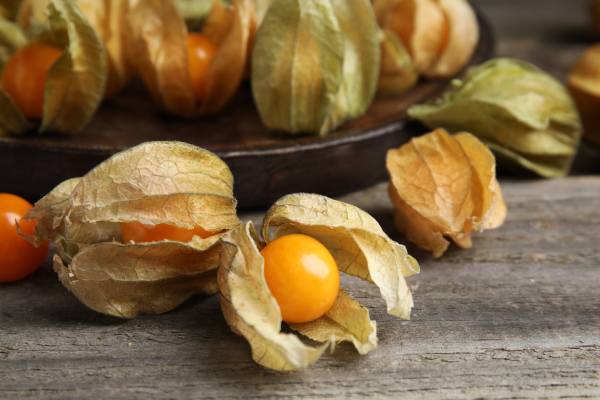
In the sanitary and phytosanitary area, Agrocalidad reported significant progress in defining export requirements for products showing potential in the US market, including avocado, passion flowers, goldenberry, soursop, and table grapes.
Processes related to zoosanitary certifications, food safety, and organic regulations were also addressed during the encounter.
Local authorities emphasized that there are currently over 6,000 products from the Latin American country that have phytosanitary protocols to enter the United States.
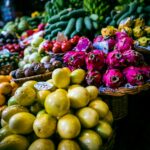
In 2025, exports totaled 581 thousand tons across about 105 thousand shipments, including bananas, cocoa, mangos, flowers, and dragon fruit.
Local authorities also emphasized the importance of boosting products already in the US market to improve their entry conditions and consolidate their position among consumers.
*Main photograph MAGP; other images are referential.
Related stories
“High-quality fruit”: Ecuador’s Tango mandarins make their US debut
Quality is the unequivocal response to Ecuador's dragon fruit oversupply crisis