The new logistics of freshness: How technology is helping produce navigate the global supply chain in 2026

 Add Fresh Fruit Portal to Google
The global fresh produce industry is currently undergoing a massive "re-globalization." According to market research firm DataIntelo, the focus has shifted from the mere movement of goods to the tech-driven resilience of the systems that carry them.
For stakeholders in the United States, Asia, and Latin America, the challenge is clear: maintaining the integrity of a living commodity while navigating a landscape of rising tariffs, climate volatility, and technological transformation.
In 2024, the global fresh produce market was valued at $1,350.6 billion, the company says. However, driven by a global shift toward health-conscious consumption, the sector is projected to surpass $2.12 trillion by 2033, at a compound annual growth rate (CAGR) of 5.2 percent.
Supply chain resiliency through technological innovation
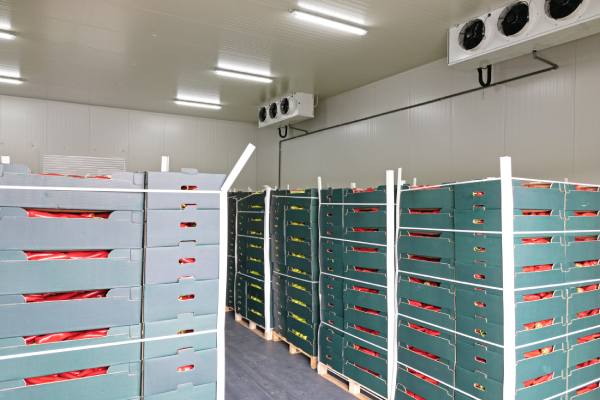
The "invisible risk" of exporting in 2026, says DataIntelo, is the loss of control over the cargo. To combat this, the fresh produce industry is currently undergoing a rapid technological integration in which supply chain management is a data-driven game.
The primary way to manage risk in this context has been the introduction of Artificial Intelligence (AI) into cold chain management, says the market researcher. US retailers are demanding real-time data on fruit respiration and temperature to minimize financial losses before the produce ever reaches the shelf.
The adoption of blockchain and Internet of Things (IoT) technologies is also revolutionizing the handling of perishables, enhancing end-to-end traceability, optimizing real-time inventory, and significantly reducing food waste.
By offering transparent data on a product’s origin, quality, and safety, producers can build the high levels of consumer trust now required in the US and Asian markets.
Additionally, the industry is increasingly developing more predictive crop models, using AI-powered technologies to forecast yields and quality weeks before harvest.
A triad of interdependence in fresh produce
Because of its size and high returns, the US remains the primary destination for global fruit exports. However, tariffs and geopolitical disruptions have driven American stakeholders to seek "de-risked" supply chains.
This is not only about finance, but also about sustainability—a key market-access requirement that has moved beyond a buzzword in developed markets.
Meanwhile, Asia is giving the US a run for its money, as it continues to dominate global growth. Market expansion in the region is fueled by rising disposable income in Southeast Asia and populous countries such as China and India.

However, while convenience is driving category growth in the US, where fresh-cut items and salad kits reign supreme, the Asian market maintains a fierce preference for whole, fresh produce. There, consumers culturally interpret the format as a symbol of quality and health.
But true growth is coming from the expansion of cold-chain infrastructure in India and China, says the market data firm. High-end fruit imports, such as Southern Hemisphere cherries and premium table grapes, are seeing a double-digit sales increase as regional logistics catch up with consumer demand.
This technological advancement is being leveraged by Latin American countries like Mexico, Peru, and Chile, which are leading in avocado, blueberry, and table grape production.
The “orchard of the world” is navigating a "global rewire" in which market destinations are shifting quickly due to tariffs and other supply chain disruptions. While Mexico benefits from nearshoring and its proximity to the US, South American exporters are seeking stability by unlocking new markets previously believed to be out of reach.
Better logistics, more reliable cold chains, and improved traceability are allowing fruit to sail across the world while maintaining quality and firmness. New technologies promise to advance this further, closing the gap between origin and destination.
*All images are referential.
Related stories
Logistics optimization for perishable goods: Ensuring freshness from farm to table