


ProHass warns of climate impact on avocado: Peruvian season could end a month earlier
 Add Fresh Fruit Portal to Google
Written and reported by Macarena Bravo | Lee esta noticia en español
José Antonio Castro, President of Peru’s Association of Hass Avocado Producers and Exporters (ProHass), told FreshFruitPortal.com that the unusual coastal heat in the country is affecting the size of the fruit and accelerating harvests. This scenario could affect the sector's seasonal forecasts and alter the fruit's availability in export markets.
The executive noted that the latest estimates indicate a three percent expansion compared to last year, "but it is likely that we will not grow at all."
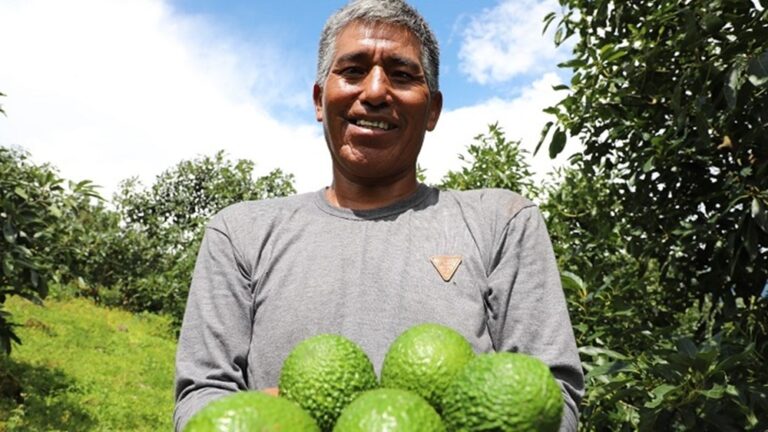
Currently, the lowest temperatures on the Peruvian coast are between 37 and 41 degrees Fahrenheit above historical records for the last 45 years, causing orchards to behave differently, according to the executive. Castro noted that as of week 20, eight percent more volume has been exported compared to the previous season.
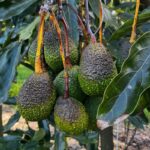
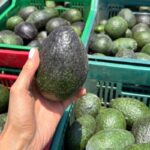
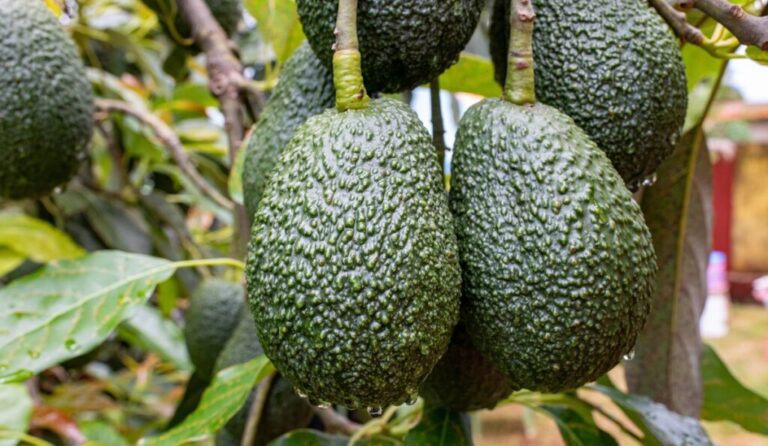
According to the organization, small fruit is becoming more prevalent north of the country, due to climatic conditions that limit the normal growth of calibers. The situation is especially sensitive, as the region contains the largest Hass avocado production area in Peru and is precisely the area most affected by the El Niño phenomenon.
Early harvest and an early end
Signs of accelerated ripening are also leading producers to accelerate the harvest. Consequently, the industry projects that the Peruvian season could end three to four weeks earlier than usual.
"The normal thing is for Peru to maintain relevant volumes until mid-September. This year we could finish the season in mid-August," said Castro.
As a result, there might also be commercial repercussions, as August volumes ship mostly to Europe.
“If the campaign ends earlier, the European market will be the one that feels the reduction in Peruvian supply the most," explained the industry leader.
He recalled that the effects of El Niño are not limited to Peru, as Mexico, California, Colombia, Guatemala, and even Chile could experience abnormal production cycles due to weather disruptions.
"No origin is free from the effects of this phenomenon. What for one area may mean heavy rain, for another it may represent drought. We are facing a very complex climatic situation that can completely change the landscape in a few months," he noted.
The challenge for Peruvian avocado
Castro said that one of ProHass's main concerns is exporters reacting in a disorderly manner, and the association is promoting more balanced shipment management to prevent large volumes from entering international markets simultaneously.
"What we are trying to convey is that we must not panic. If everyone speeds up harvests at the same time and floods the markets with fruit, we will end up causing a price drop that will harm the entire industry," he warned. "We could go from an avocado tsunami with very low prices to a stage of very high prices, but with no fruit available. That benefits no one."
The industry body is also doing promotional initiatives in Chile and Argentina, two markets that are gaining relevance for Peruvian avocado and are expected to absorb 60,000 and 10,000 tons, respectively.
Quality as a strategic priority
Beyond climate uncertainties, Castro emphasized that quality is the main competitive tool for Peruvian avocado.
In this context, he highlighted the recent decision to raise the minimum dry matter requirement for export from 21.5 percent to 22 percent, a measure that seeks to guarantee a better consumption experience.
"Peru is probably the only Hass avocado exporting country that has raised its minimum dry matter standard to 22 percent. It seems like a small difference, but it has an enormous impact on the final quality of the fruit," he stated.
For the leader, when markets such as the United States or Europe have supply from different origins, quality will be key to maintaining competitiveness.
"If the fruit does not comply with the standards, it simply will not be received. We must export healthy, quality fruit and work with specialized operators who help maintain the prestige that Peruvian avocado has built up over recent years," Castro concluded.
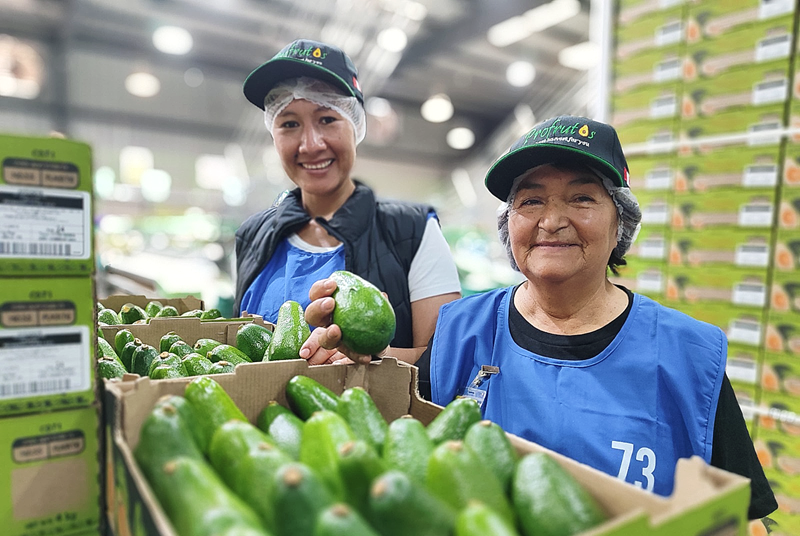
*All images are archival.
Related stories
Peruvian avocados branch out with new formats and Asia focus
ProHass projects record 773,000 metric tons for Peruvian avocado exports