From Bolivia to the US: How a Florida farm is betting on achacha as consumers' (and growers') next sweet deal
 Add Fresh Fruit Portal to Google
When Murray Bass planted the first 100 achacha trees on his family's South Florida farm more than a decade ago, there were few reasons to believe the gamble would pay off.
The fruit was virtually unknown in the United States; its commercial production outside its native Bolivia almost nonexistent. Furthermore, achacha’s long development cycle means growers can wait up to a decade before seeing meaningful production.
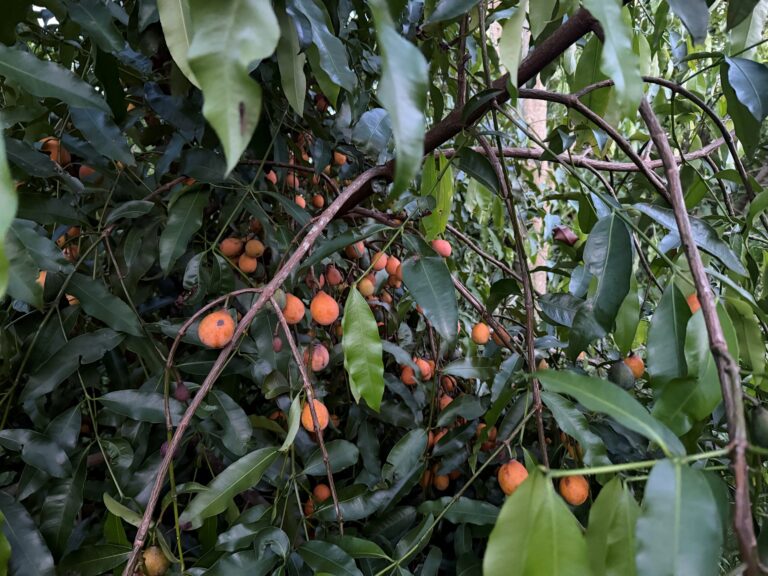
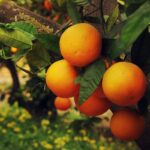
Achacha trees.
For most farmers, that timeline alone would be enough of a non-starter, but for the Bass family, it marked the beginning of a new chapter.
The Hail Mary venture ultimately bore fruit and is now poised to introduce Americans to their next favorite fruit they have never heard of.
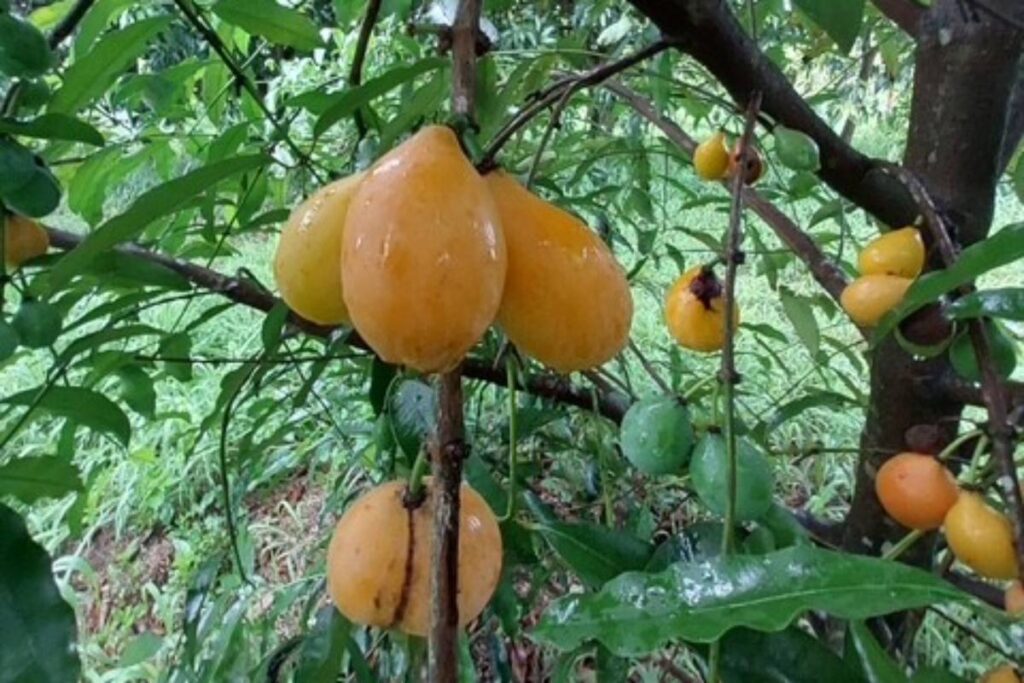
Known in its native guaraní language as achachairú, meaning “honey kiss,” the achacha originates from the Amazon basin. Despite its modest size—roughly the size of a lime with a deep orange shell—the inside is a sweet, aromatic pulp balanced by bright acidity.
"No farmer wants to wait seven years to make a profit, but we wanted to differentiate ourselves," Murray’s son and now Managing Director Aaron Bass told FreshFruitPortal.com. “Obviously I'm a little biased, but it truly is an incredible fruit. And if I had to pick among all of our crops, I would reach for the achacha every time”.
An achacha reinvention born from adversity
Certified organic in 2006, the Basses’ avocado groves in Homestead were the family’s economic backbone. Then came laurel wilt.
The disease swept through South Florida's avocado industry, killing millions of trees. Bass estimates the family lost between 40 and 60 percent of its production within just a few years. Looking for alternatives, Murray Bass turned to Pine Island Nursery, where owner Eric Tietig introduced him to an unusual fruit from Bolivia that had already shown promise in Australia.
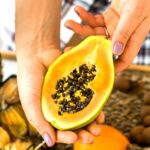
Today, Bass Regenerative Farms has planted more than 2,000 achacha trees among a diverse collection of 16 tropical fruit crops, including soursop, Magana and Key West mamey, papaya, and dragon fruit.
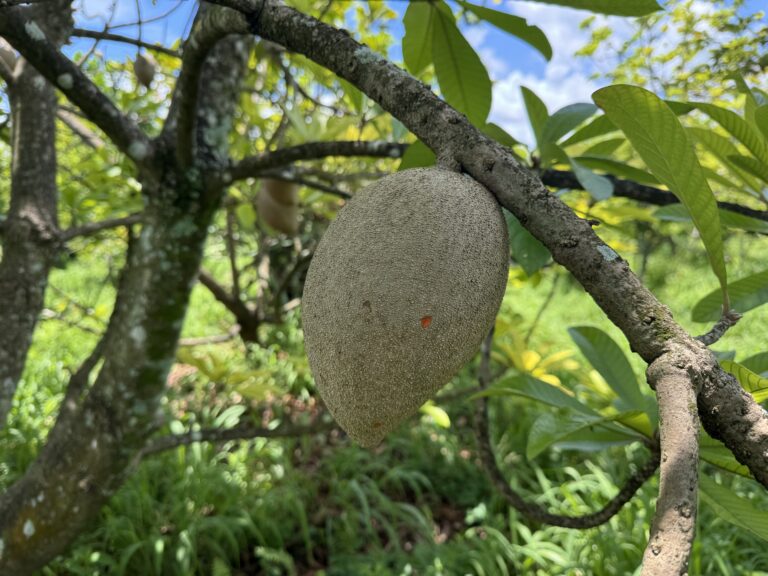
Bass Regenerative Farms' mamey.
Its commercial appeal, however, extends well beyond flavor. Unlike many tropical fruits, achacha ripens on the tree rather than after harvest, Bass explained. Once picked, it remains shelf-stable for three to four weeks without refrigeration, making it unusually resilient for shipping and direct delivery.
"For a farmer, it's really a dream fruit," Bass said. "You can literally pick it off the tree, put it in a box, and ship it directly to the consumer."
Beyond supply chain advantages, the achacha boasts rich vitamin C and antioxidant content, with further health benefits that may be lingering beneath the surface. Bass said they are working to complete testing to educate consumers about some of the medicinal properties that may be hidden in other parts of the fruit.
“The Bolivians have been using the rind for years, putting it on their skin to help clear up different issues when it comes to skin and skincare,” he noted.
Rethinking how to do fruit business
For Bass, introducing achacha is only part of a much larger experiment. Rather than relying primarily on traditional wholesale channels, the family is investing in direct-to-consumer sales, harvesting fruit to order and shipping it within 24 hours. This, Bass stresses, is the future of farming.
Bass believes that shortening the supply chain benefits both growers and consumers. Fruit spends less time moving through warehouses and distribution centers, while farmers retain more of the value that would otherwise be captured by intermediaries, he stressed.
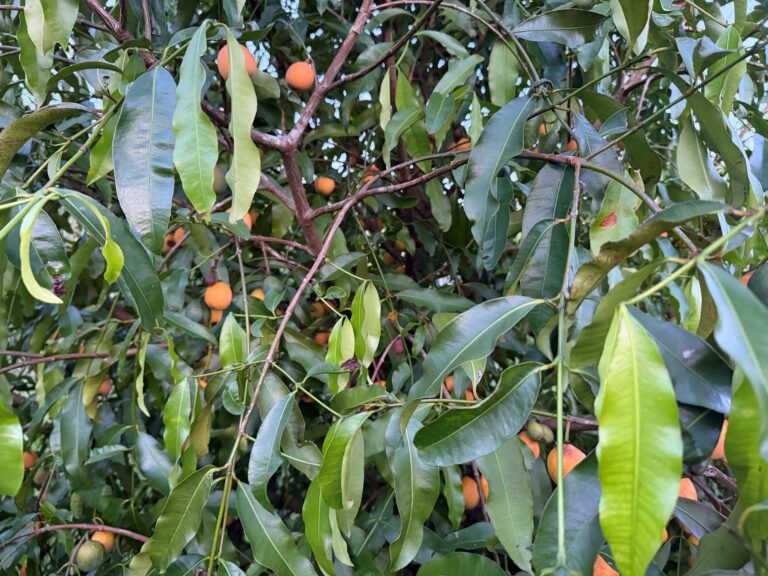
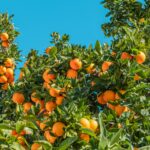
Achacha trees.
“By the time most people get their fruit at a grocery store, that fruit's been moved hundreds of miles, if not thousands. And, by the time they're consuming it, it's probably bruised up, and it doesn't look as pristine,” he said. “Ours has been picked off the tree and literally put into a padded, cushioned box and then shipped. So within two to three days, typically, our fruit gets to the consumer”.
That conviction is shaped by what he sees happening around Homestead, where agricultural land increasingly gives way to housing developments. As development expands south from Miami, Bass worries many family farms face a difficult economic choice: continue farming or sell increasingly valuable land to developers.
"If we care about eating nutrient-dense, good-quality food," he said, "we have to protect our farmland."
Regeneration as a business model
The family's evolution has involved more than diversifying crops. Bass said regenerative farming has fundamentally changed how the operation performs.
Instead of depending on synthetic fertilizers and pesticides, the farm emphasizes soil biology, biodiversity, and natural ecological processes. The result, he said, has been lower input costs and higher productivity per acre.
Consumers, meanwhile, are gradually becoming more accepting of fruit that may carry minor cosmetic imperfections, which are often a natural result of a more natural farming approach.
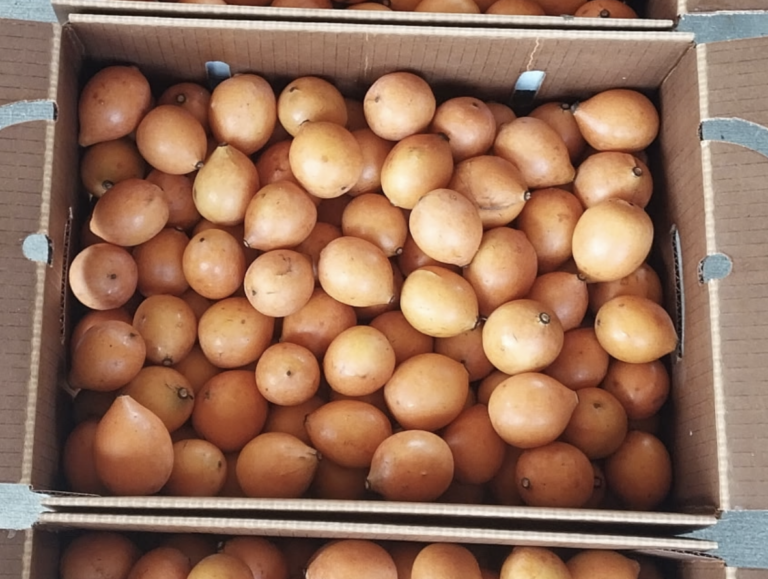
Freshly harvested achacha.
“Our fruit is not perfect by any means. It's regeneratively grown, it's organic in nature," Bass stressed. "A blemish doesn't mean the quality inside isn't great."
That message forms part of the broader story the farm is telling: that freshness, flavor, and production practices matter more than flawless appearance.
Looking beyond fresh fruit
Even as fresh achacha enters the market, the family is already planning what comes next. Freeze-dried fruit, powdered peel, teas, honey produced from bees kept on the farm, and frozen products are all under development.
One of the first products consumers are likely to encounter is an achacha popsicle, created in partnership with Florida-based Hyppo Gourmet Ice Pops.
Further down the road, Bass said the family envisions building its own processing facility, allowing it to transform lower-grade fruit from across the farm's tropical portfolio into value-added products rather than discarding it.
*All photos courtesy of Bass Regenerative Farms.
Related stories
Florida tropical fruit growers face new water and weather challenges
The tropical fruit takeover and treatonomics: 5 top trends driving consumer behavior in 2026