Are blackberries Florida’s next sweet deal?
 Add Fresh Fruit Portal to Google
The Florida blackberry sector may be entering its sweetest growth phase yet. New University of Florida (UF) breeding efforts are pushing the crop closer to commercial reality in a state once considered too challenging for large-scale blackberry production.
Fruit Physiology Lab researchers at UF’s North Florida Research and Education Center in Quincy say advances in breeding, canopy management, and postharvest handling are helping growers overcome long-standing obstacles.
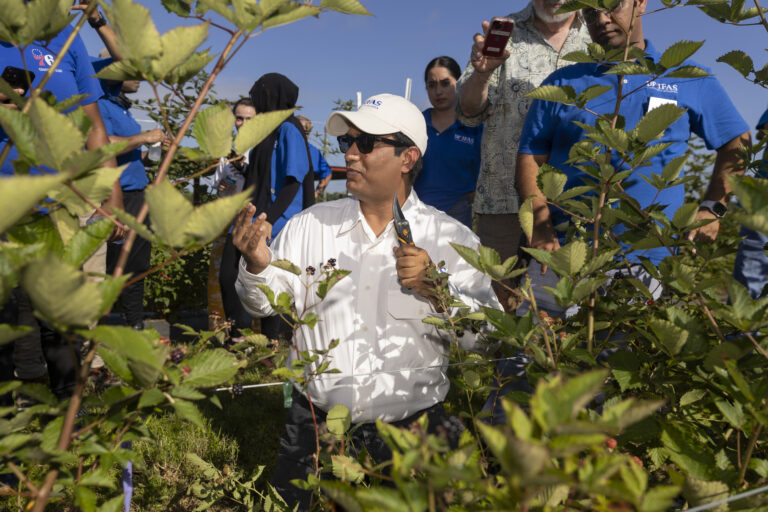
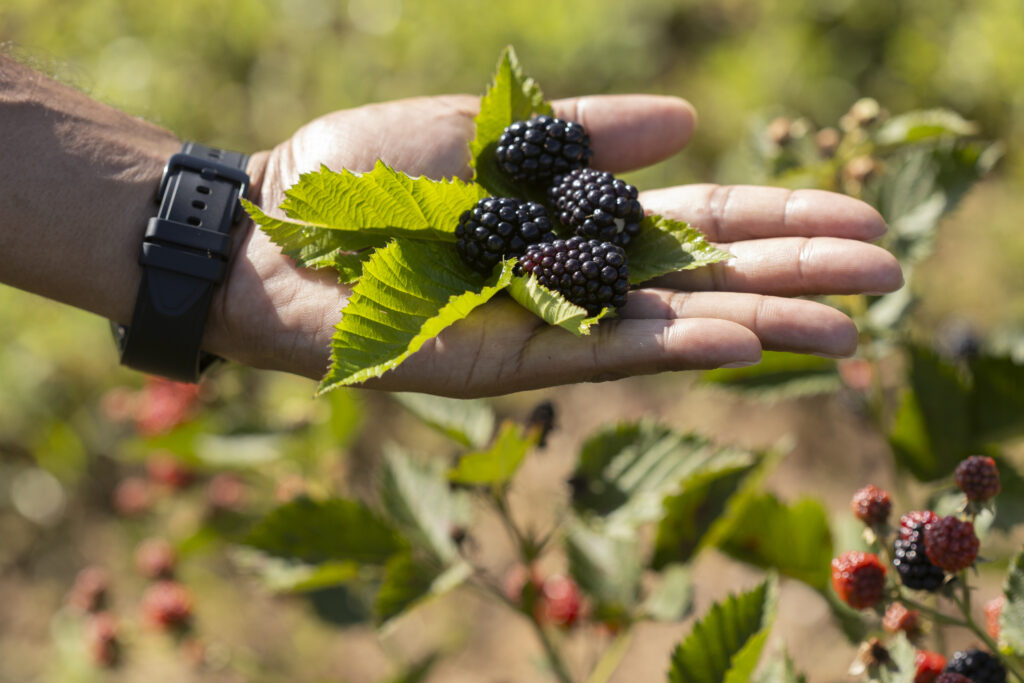
Blackberry Field Day at the NFREC in Quincy on Wednesday, June 18th, 2025.
Muhammad Adnan Shahid, Assistant Professor of Horticulture-Stress Physiology of Fruit Crops, explained to FreshFruitPortal.com that newer cultivars now perform better under Florida’s subtropical conditions.
“Commercial blackberry production is becoming increasingly realistic in Florida due to the development of low-chill, heat-tolerant cultivars, improved production systems, and ongoing research efforts tailored to Florida’s subtropical conditions,” he said.
Additionally, earlier ripening cultivars allow growers to harvest fruit before the onset of heavy summer rains, reducing crop losses and improving marketability, the expert noted.
Florida blackberry hub berrying the heat
Shahid’s blackberry breeding program is currently evaluating over 35 commercial cultivars and advanced selections at its Quincy research station. Among the varieties showing promising results in North Florida trials are Osage, Ouachita, Natchez, and the primocane-fruiting Prime-Ark Freedom.
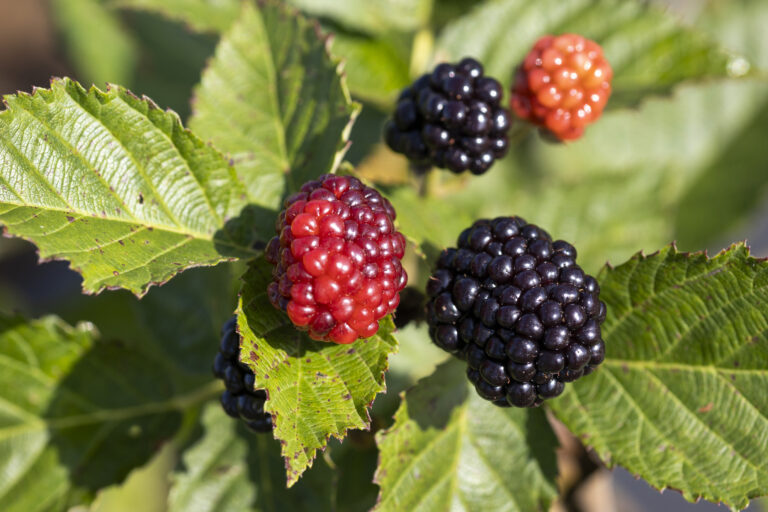
Blackberry Field Day at the NFREC in Quincy on Wednesday, June 18th, 2025.
Primocane plants, also known as fall-bearing or ever-bearing, produce fruit on first-year canes during late summer or fall.
Shahid said the university continues to assess long-term performance before issuing final recommendations to growers.
“As blackberry is a newly emerging crop, particularly in North Florida, we need to identify new varieties that are capable of producing high-quality fruit. Since it needs multi-year data, hopefully we will have final recommendations in the next two years,” he said.
Florida growers still face production hurdles. High temperatures and humidity, Sunshine State staples, can reduce fruit set, shorten harvest windows, and affect firmness and quality. In central and South Florida, insufficient winter chilling can also lead to uneven flowering and irregular bud break.
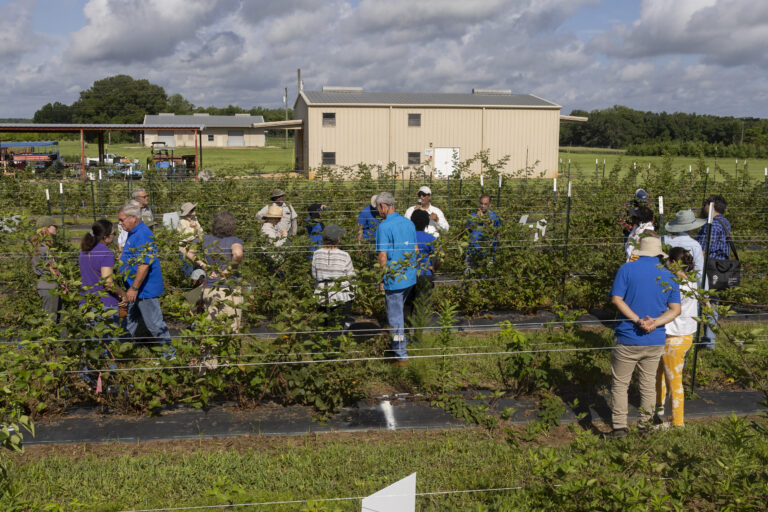
Blackberry Field Day at the NFREC in Quincy on Wednesday, June 18th, 2025.
To address these challenges, Shahid’s team is studying shading systems, edible fruit coatings, biostimulants, and defoliants.
“These approaches aim to improve plant performance, synchronize phenology, enhance fruit quality, and mitigate the impacts of Florida’s challenging environmental conditions,” he said.
Picking up momentum
Shahid said local markets currently offer the strongest opportunities for Florida blackberry growers, because they reduce labor and postharvest handling costs while allowing fruit to reach consumers quickly.
“The biggest opportunity for blackberry production currently lies in U-pick and local direct-to-consumer markets, while commercial retail markets also have potential,” he noted.
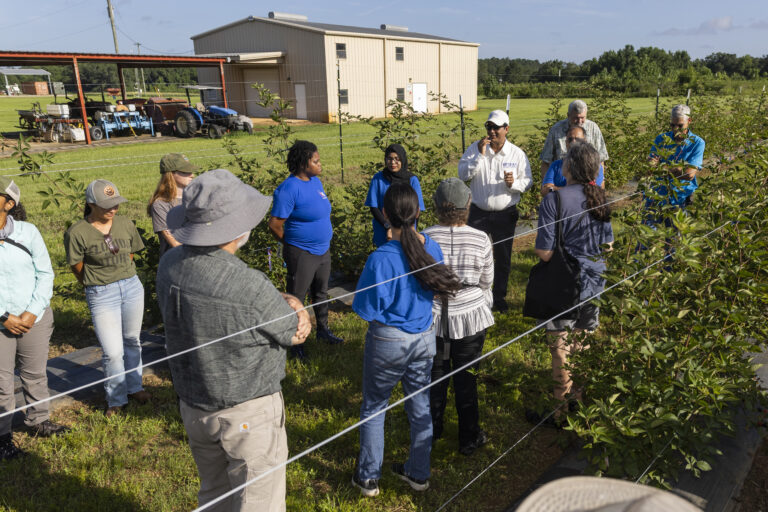
Blackberry Field Day at the NFREC in Quincy on Wednesday, June 18th, 2025.
Some Florida growers already ship blackberries to other states and Canada, Shahid noted.
“Wider market access is possible under well-managed production and postharvest systems,” he explained.
Despite the positive outlook and ongoing efforts, the crop's long-term prospects will depend on continued progress in breeding, production practices, and market development. Shahid pointed to a strong consumer demand for locally grown fruit, Florida’s agritourism sector, and the state’s proximity to major urban markets as factors supporting future growth.
“Absolutely, blackberries can become a viable specialty crop for Florida growers in the long term, although with some important caveats,” he stressed.
The Florida Department of Agriculture and Consumer Services has also funded projects focused on nutrient management and new variety development, further expanding research.
“Success will depend on continued progress in genetics, production systems, and market positioning rather than expecting blackberries to function like traditional large-scale berry crops in cooler production regions,” Shadid concluded.
*All photos courtesy of Muhammad Adnan Shahid.
Related articles:
Science is one step closer to prickle-free blackberries
University of Florida working to develop thornless blackberries
UF study paves way for enhanced Florida blackberry breeding strategies