Upcoming El Niño raises disease concerns for Florida strawberry sector
 Add Fresh Fruit Portal to Google
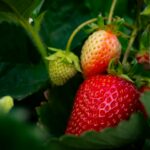
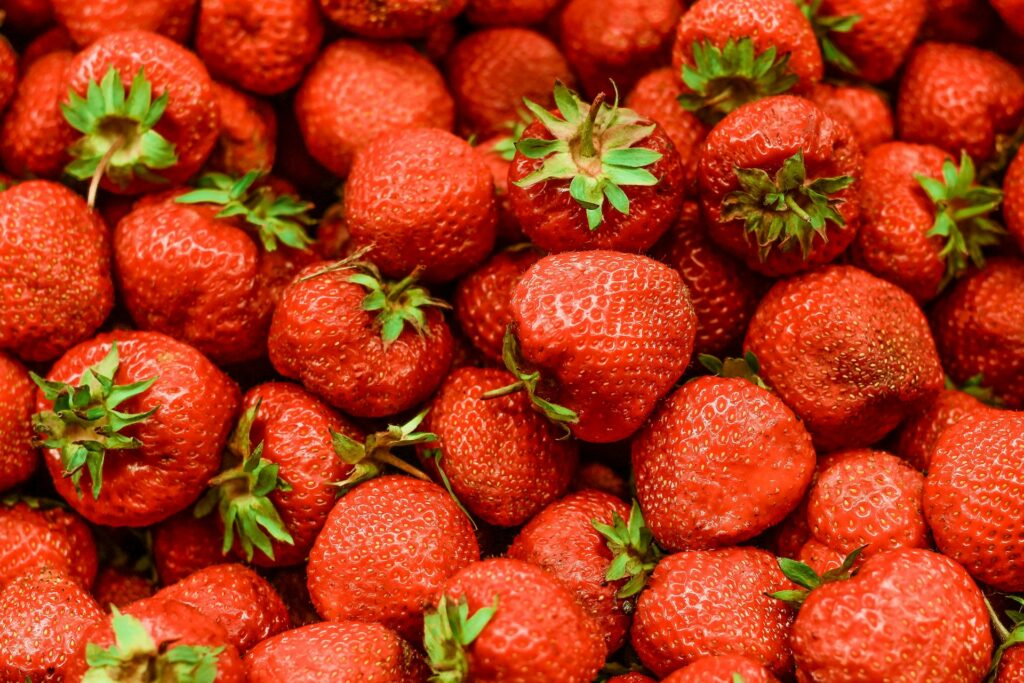
A projected El Niño weather pattern could increase disease pressure during the upcoming Florida strawberry season, raising concerns for the state’s $500 million industry.
But all is not lost. Researchers at the University of Florida Institute of Food and Agricultural Sciences (UF/IFAS) created an alert system to optimize fungicide spraying, the first line of defense against humidity-induced pests and diseases.
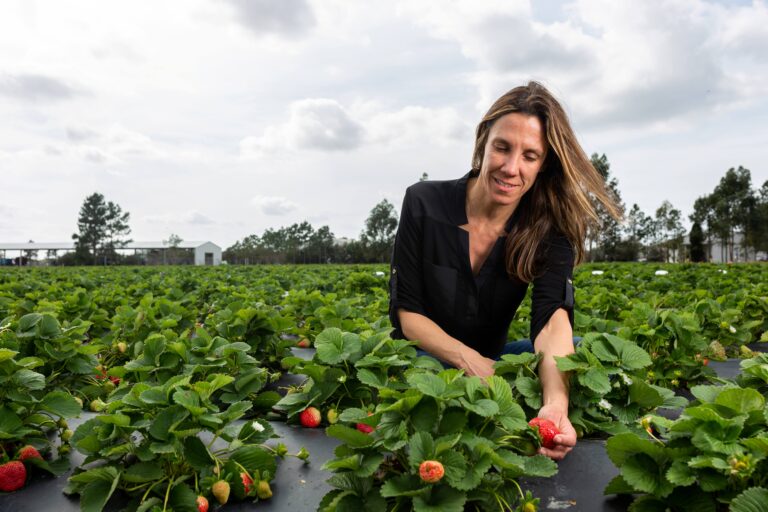
Natalia Peres. | Photo by UF/IFAS
The Strawberry Advisory System (StAS), developed by UF/IFAS professors Natalia Peres and Clyde Fraisse, helps growers assess the risk of anthracnose and Botrytis, two of the most common and destructive fungal diseases affecting crops.
The system enables growers to apply fungicides only when conditions are conducive to disease, avoiding unnecessary sprays and reducing production costs.
Florida strawberry hub on alert
With a “supercharged” El Niño looming, UF/IFAS is advising growers to stay ahead. A recent article titled “Influence of the El Niño-Southern Oscillation on Botrytis infection risk in Florida,” also by UF/IFAS scientists, confirmed that the wetter, cooler conditions associated with the weather phenomenon could elevate the risk of fruit rot during the 2026/27 strawberry season. The study analyzed 74 years of climate data from 1950 through 2024.
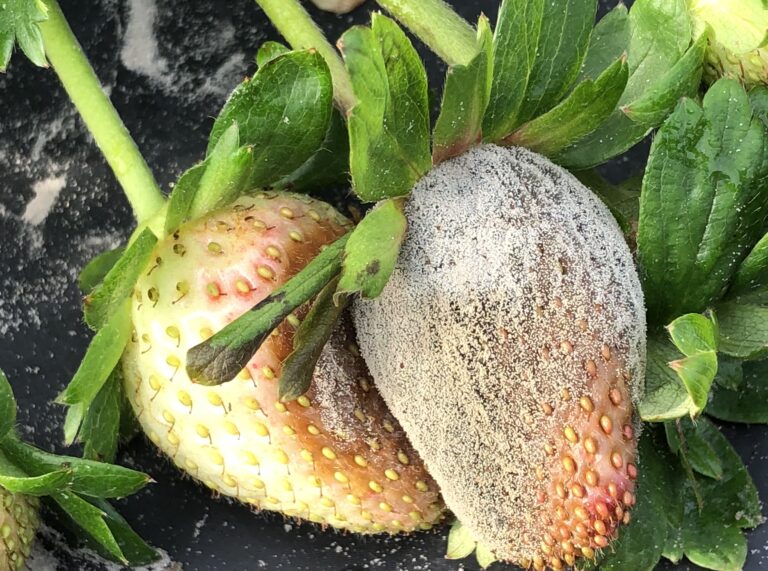
Botrytis on strawberry. | Photo by UF/IFAS
“There is currently about a 60 percent chance that El Niño will emerge between May and July and persist through the end of the year,” said lead researcher Vinicius Cerbaro. “That means the upcoming strawberry growing season could be challenging for Florida growers, not only due to a potential lack of sunshine slowing ripening cycles or too much rain, which can be bad for some varieties, but also in terms of disease pressure.”
Cerbero’s study focused on the El Niño Southern Oscillation, or ENSO, a recurring climate cycle that influences rainfall and temperature patterns every two to seven years. During El Niño years, Botrytis risk in the four major production counties remained above average about 70 percent of the time.
The research also linked El Niño conditions in Hillsborough County, a key production area, to up to 50 percent more fungicide applications among growers who use the StAS.
The system issues alerts when environmental conditions favor the development of fungal diseases, allowing growers to adjust fungicide programs accordingly.
“Those alerts would give farmers an overview of expected conditions and could support them in optimizing their disease-management strategies,” Cerbero added.
According to UF/IFAS, Botrytis fruit rot remains one of the most significant fungal threats to Florida strawberry production during periods of prolonged moisture and high humidity.
Florida leads winter strawberry production, with the season typically running from November through April. Hillsborough County remains the Sunshine State’s primary production region, alongside nearby Polk, Manatee, and Hardee counties.
*All uncredited photos are referential.
Related stories
Oppy expands portfolio with new Florida strawberry program and fruit sold under DOLE label
UF/IFAS, Florida Strawberry Industry, and Ohalo join forces to combat fungal disease