Value-added fruit products gain momentum as sustainability and convenience trends surge
 Add Fresh Fruit Portal to Google
Value-added fruit products—such as dried fruit, single-serve purees, cold-pressed juices, artisanal preserves, and fortified snacks—are shifting from niche specialty markets into mainstream retail and e-commerce channels.
In a recent report, marketing research company Market Intelo explained that this transition is driven by changing consumer habits around convenience, health, sustainability, and verified provenance.
At the same time, technologies that improve traceability and trust, including blockchain agriculture food market solutions, are accelerating adoption and enabling brands to command premium pricing.

Health and sustainability are fueling growth
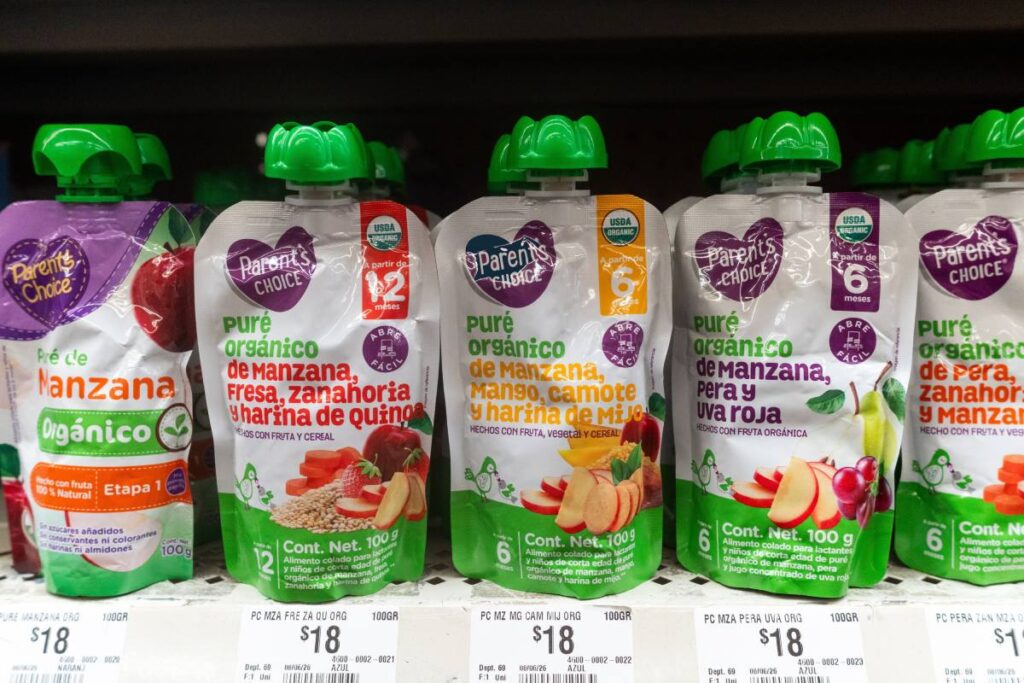
The market for value-added fruit products is expanding across multiple formats and channels, including single-serve pouches, freeze-dried snacks, functional fruit beverages, and culinary condiments.
Brands that combine clean-label ingredients with strong storytelling and verifiable sourcing perform especially well, said Market Intelo.
“Producers can capture more value by moving beyond commodity sales into processing—simple investments in drying, pureeing, or minimal processing open new revenue streams,” the report reads.
On the demand side, consumers are seeking foods that match busy lifestyles without compromising nutrition. Value-added fruit products meet this need by offering convenient, nutrient-dense formats that are ready to consume or integrate into meals.
Sustainability-conscious shoppers also prefer goods that reduce food waste—products made from surplus or cosmetically imperfect fruit are particularly attractive.
Europe leads the way—and Latin America is ready to make the most of it
Demand for value-added fruit products is rising globally, but different markets present distinct challenges and opportunities for producers and distributors.
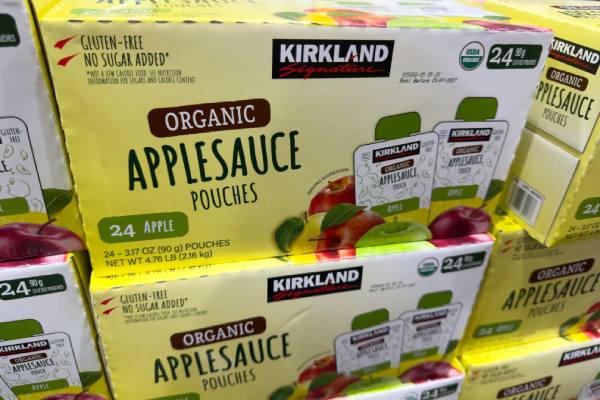
In North America, high consumer demand for convenience is driving massive sales in grab-and-go fruit snacks, pre-cut slices, and freeze-dried items. At the same time, health-conscious shoppers are choosing organic fruit leathers and unsweetened purées over traditional sugary snacks. These trends pose an attractive opportunity for local farmers, who are opening on-farm processing units to turn surplus berries and apples into premium jams, capturing higher profit margins.
Across the Atlantic, Market Intelo says Europe is leading global imports of processed fruits, with a massive market focus on functional, antioxidant-rich fruit extracts.
“Strict ‘clean label’ trends mean consumers strongly prefer value-added products with zero artificial preservatives or added colorings,” says the company.
Sustainability also plays an important role in this market, as upcycling gains significant momentum—factories are capitalizing on this trend by transforming discarded fruit peels and seeds into high-value dietary fibers and supplements.
The boom of value-added products in Europe is capturing the attention of Latin American producers, especially major agricultural exporters like Brazil and Mexico, who are shifting away from raw commodities to boost export revenues. Smallholder cooperatives are also riding the trend, increasingly utilizing local organic certifications to command better prices in North American and European markets.
Finally, rapid urbanization and a growing middle class in the Asia-Pacific region are accelerating demand for premium, packaged tropical fruit pulps and ready-to-serve drinks.
“Countries like India and China are heavily expanding local food-processing infrastructure to cut down on massive post-harvest fruit losses,” the report reads.
Meanwhile, regional "superfruits" (like amla or jackfruit) are opening new doors for specialized, health-focused local startups.

Challenges in the value-added market and how to address them
The value-added category is the perfect way to optimize returns and capitalize on fruit that doesn’t meet the standard for the fresh market.
However, the market also poses challenges, and producers’ ability to navigate them can make or break a product at the grocery store.
According to Market Intelo, common challenges include preserving sensory quality and nutrients during processing. On the planning side, financing for technology and processing infrastructure also poses its own complexities, as does meeting complex regulatory requirements for labeling and health claims.
“Strategic mitigations include adopting gentle processing technologies, leveraging cooperative or contract processing to reduce upfront costs,” the firm says. “Producers should pilot low-capex value-add lines (drying, pureeing) and explore cooperative models for shared equipment.”
*All images are referential.
Related stories
Processed tomato sector finds 2026 balance as inventories stabilize
Peruvian avocados branch out with new formats and Asia focus