


More than a sweet condo: How beehives chemically help colonies thrive
 Add Fresh Fruit Portal to Google
Bees have played an historically crucial role in agriculture by pollinating crops, but there’s still so much we don’t know about them. Fortunately, there’s also so much we’re still learning.
On that front, a group of researchers at the University of Sydney, Australia, examined the importance of beehives to a colony’s survival and thriving. In their 2026 study published in the journal ISME Communications, they explain how these structures are much more than just bee condos and act more like highly engineered, living immune systems for their inhabitants.
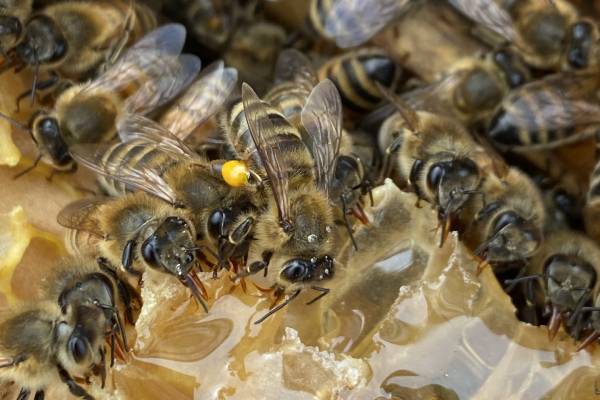
Image by Kenya Fernandes, University of Sydney
Led by the institution’s microbiologist and bee expert Kenya Fernandes, the team found that hives help protect bee colonies, their offspring, and food supplies from disease, underscoring the need to protect bee habitat to ensure their health.
“Hives are not only homes for bees, but also act as their workplaces, restaurants, and hospitals, and now we can add immune systems to the list,” said Fernandes.
The researcher explained that each element used in the construction of a beehive, from beeswax and honey to pollen, propolis, and even the sticky material bees collect from plants, has a specific function and is strategically distributed across the hive according to it.
For example, honey, beeswax, and propolis, all substances that have antimicrobial properties, work together to protect eggs and larvae, as well as the fermented pollen the bees consume, from disease.
And if that were not enough, they also encourage the proliferation of helpful fungi and bacteria, just as a human immune system does.
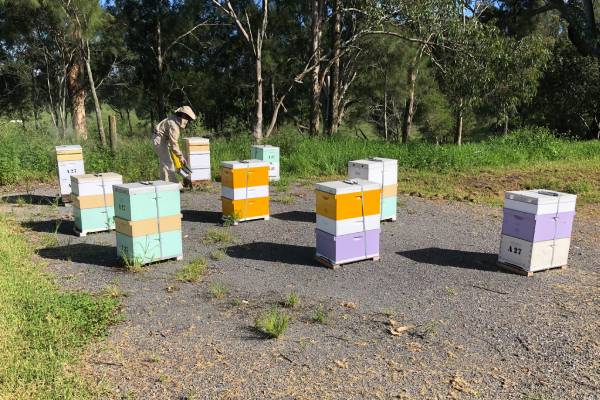
Image by Kenya Fernandes, University of Sydney
Two baths, two bedrooms, and excellent microbial protection
In a beehive, space distribution is key. Areas exposed to the outside environment have the strongest natural defenses, thanks to high levels of bioactive compounds such as hydrogen peroxide and flavonoids, the study found.
“As we travel closer to the hive center, the antimicrobial defenses became more targeted, with wax comb, stored pollen, and the bee’s own bodies helping to filter out harmful bacteria and fungi, whilst encouraging helpful species,” Fernandes said.
Beehive defenses were also found to be more strongly tuned to protect against bacteria than fungi. This is most likely a cost-benefit trade-off, where the hive invests more heavily against the most severe threat: bacterial diseases.
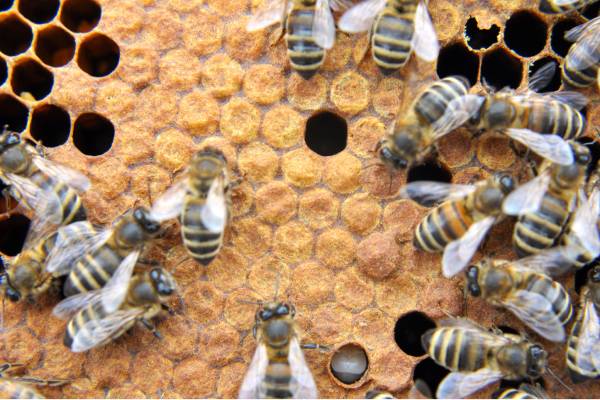
Image by Kenya Fernandes, University of Sydney
One example is American foulbrood, a common, fatal, and highly contagious bacterial disease that affects honey bee larvae and can wipe out a hive.
No beehive is an island
Although bees have the innate engineering skills to build the beehives they need to thrive, building one isn't that simple.
According to the study, a hive's ability to protect its colony hinges heavily on the availability of quality resources in the surrounding environment. In this sense, beehives act like mirrors of the ecosystem they inhabit, exhibiting different chemical defenses depending on whether they’re located closer to native bushland or agricultural land.
For example, researchers found many bacteria and fungi present in hive materials likely came from floral nectar, showing the influence of the surrounding environment where bees forage.
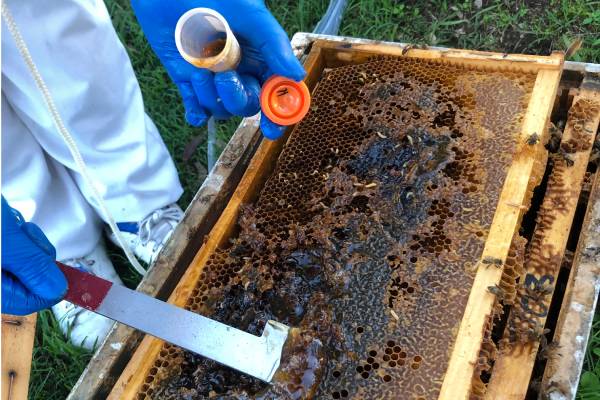
Image by Kenya Fernandes, University of Sydney
“This shows healthy hives depend on and are influenced by healthy ecosystems. Land clearing and intensive farming could be quietly eroding the bees’ natural defenses,” said the study’s co-author Elizabeth Frost, Technical Specialist Bees at the New South Wales Department of Primary Industries and Regional Development. “This builds a strong case for protecting diverse flowering habitats that support healthy hives.
She added that there are direct threats to bee populations, such as the varroa mite, but there are other harmful factors that we rarely take into consideration when talking about bee health.
“The shrinking of healthy ecosystems has a domino effect. Landscapes with diverse plant species can increase the bees’ chances of being resilient to disease,” she concluded.
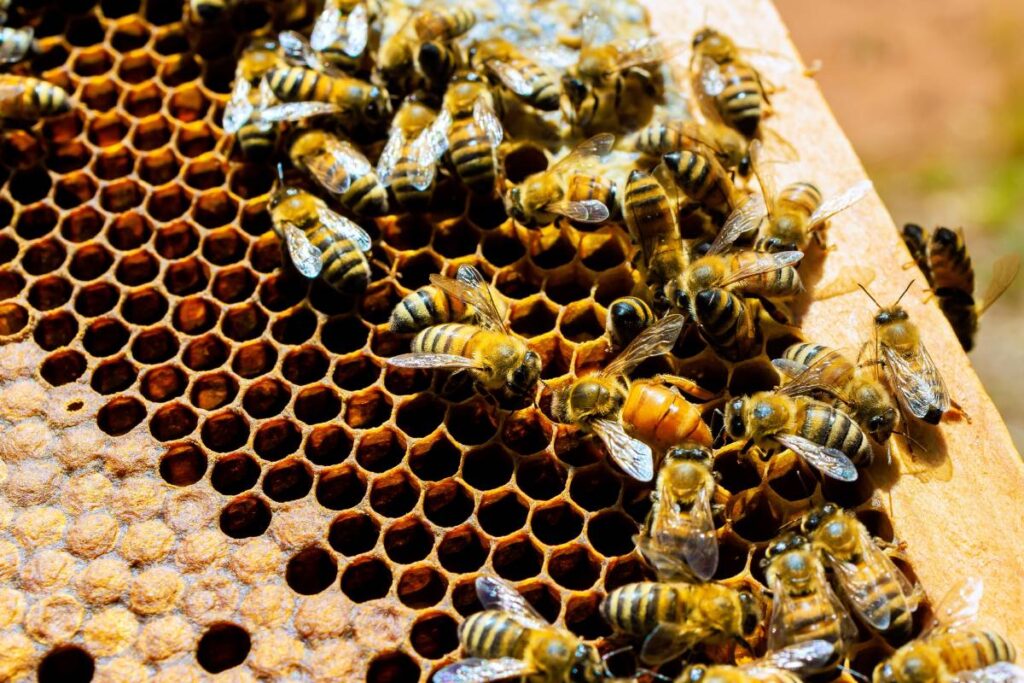
*Main image is referential via Shutterstock. All other images by Kenya Fernandes.
Related stories
New study reveals color coding can save stingless bee colonies
Honey bees can detect virus-contaminated food, study finds
More pollination hours and better hive health—the science behind Beeflow technology