








Rodents, ripeness, and red tape—The California almond season is not exempt of challenges
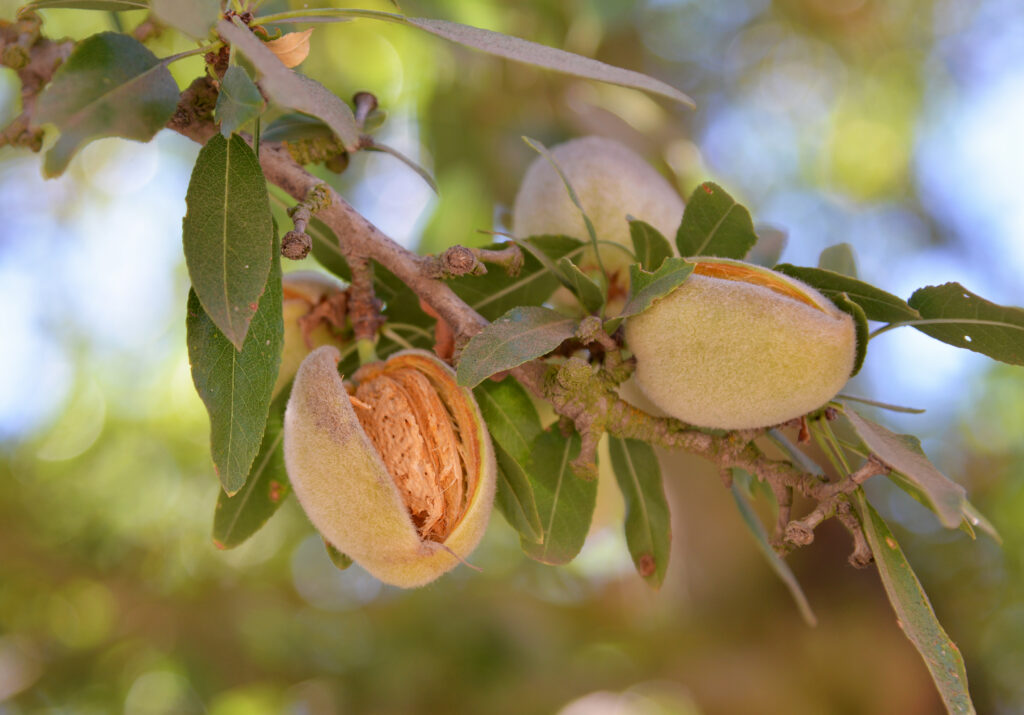



The 2025 California almond harvest is underway, but variability in crop timing and quality across growing regions is making it difficult to determine final outcomes, the Almond Board of California (ABC) states.


"Given the nature of the California almond harvest, it's hard to tell what size and quality we are seeing at this point in the season," an ABC spokesperson says to FreshFruitPortal.com. "The three main growing regions harvest at slightly different times, and some varieties are weeks behind others. We should have a better idea when post-harvest processors have finished receiving all of the crop."
Despite the current uncertainty, the USDA’s California Almond Forecast released in May projected total production to reach 2.45 billion pounds, a 21 percent uptick year-on-year. The forecast is based on 1.38 million bearing acres, with a projected yield of 1,770 pounds per acre.
Rodent pressure spurs mitigation efforts
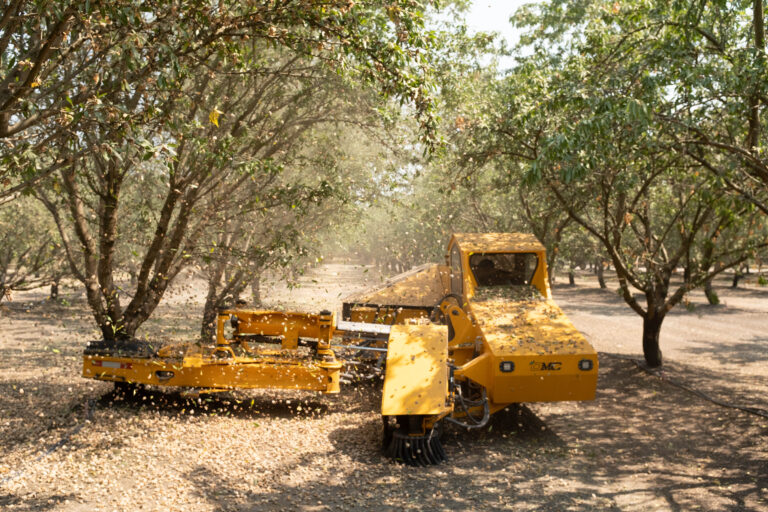
Almond harvesting | All photos courtesy of ABC.
ABC reports growing concerns about roof rat infestations in California almond orchards.
"The board is developing efforts for additional research on roof rats as well as providing information to growers on what current control options exist and who best to deploy them," the board says.
Working with the California Association of Pest Control Advisors (CAPCA), the industry has begun distributing bait stations and owl boxes to affected growers. As natural predators, owls are an effective alternative to combat rodent infestations.
CAPCA is currently awaiting guidance from the California Department of Food and Agriculture on recommended next steps.
Trade policy remains a wild card
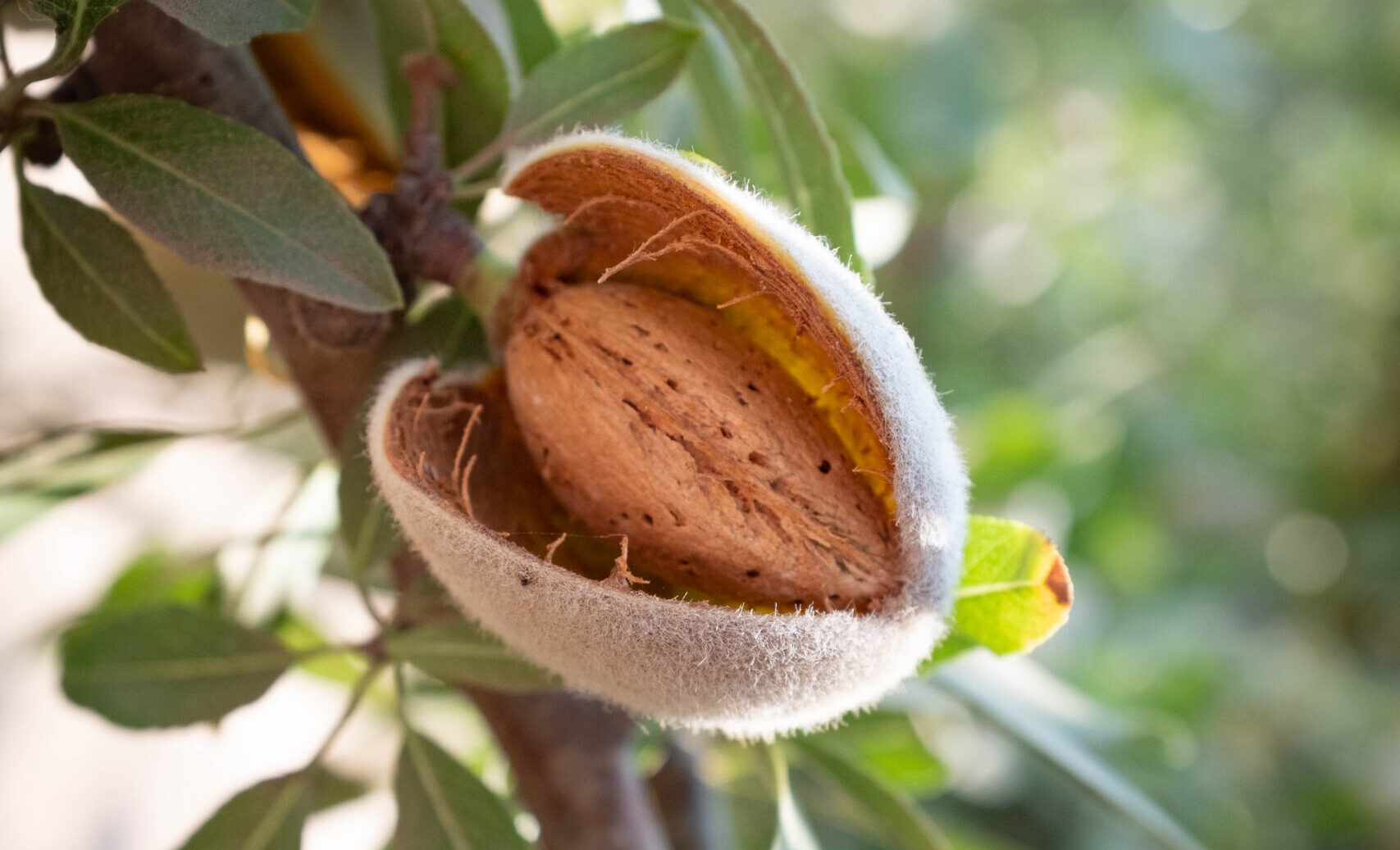
On the trade front, ABC underscores the importance of policy stability in maintaining California’s competitive position in global markets.
"The Almond Board of California is pleased to see progress made related to trade policies affecting the agricultural sector," the entity says. "Trade stability is critical to California’s specialty crop economy, and ongoing uncertainty poses challenges for growers and rural communities."
California grows approximately 80 percent of the world’s almonds, making fluctuations in volume, quality, and international trade crucial.
"We continue to engage with trade partners and stakeholders to encourage open dialogue and constructive solutions that support fair and stable trade," the board adds.
*Featured top photo is courtesy of ABC.
Related articles:
California almond crop estimated 10% higher for 2025
California's almond industry knows a diverse export market is essential in the face of tariffs
Daily almonds can benefit cardiometabolic health
California almond production forecast up 3% from last year





Subscribe to our newsletter