Peruvian blueberry export volumes to drop this season
 Add Fresh Fruit Portal to Google
Written and reported by Macarena Bravo | Lee esta noticia en español
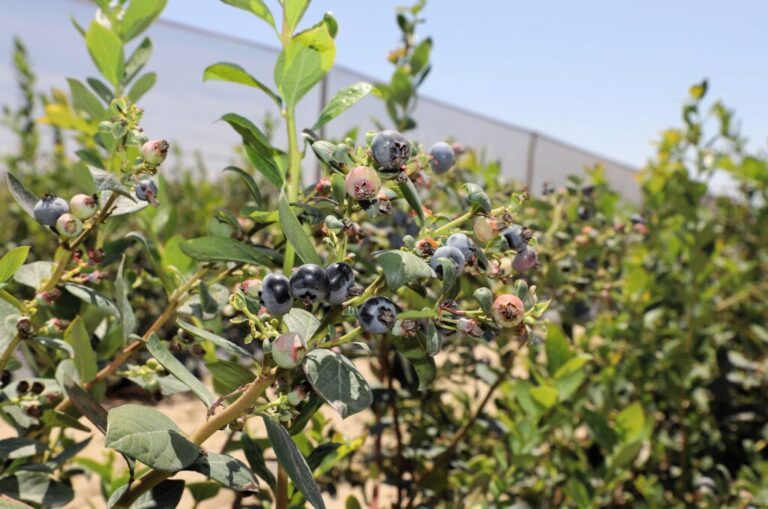
The world’s top blueberry exporter is bracing for a slight decrease in volume. High temperatures in Peru stunted floral development between April and July, prompting the industry to revise export volumes downward and project higher prices.
The latest assessments put Peruvian blueberry exports at 418,878 metric tons, seven percent below initial expectations of 450,000 tons. AgroValue founder and business director José Antonio Gómez confirmed this during a recent webinar hosted by data intelligence firm Fluctuante.
Estimated losses vary significantly by production zone. Ica, which produces approximately 14 percent of the country’s total yields, faces an estimated loss of around seven percent in flowering, while Chao hovers near 30 percent.
The projected losses increase further north, with Olmos reaching 31 percent, Trujillo hitting 35 percent, and Chiclayo climbing to 53 percent. Piura faces the steepest decline, with estimated flowering losses reaching up to 65 percent.
Berry good news for the Peruvian blueberry sector
The industry faced a similar scenario during the 2023/24 season when reduced production triggered a sharp increase in international prices. During that period, Peruvian exports dropped from 316,363 to 249,122 tons. However, FOB value jumped 36 percent, driven by an average price that climbed from $2.15 to $3.74 per pound.
While the 2026/27 cycle will not see those same record-breaking prices, Gómez expects market dynamics to favor growers.
"The supply will be tighter, and that will sustain prices during a significant part of the season," he said.

The United States will reclaim its position as the primary destination by value during the upcoming season, the executive forecasted. He added that while Europe often offers superior early-season prices, the European market possesses a lower absorption capacity and tends to saturate quickly.
The massive US market, however, provides a more attractive commercial window, especially since adverse weather conditions could depress domestic production. Gómez indicated that elevated prices could even justify air freight shipments to capitalize on these commercial opportunities.
Out with the old, in with the blue
Beyond immediate supply challenges, a structural shift toward varietal replacement continues to sweep the Peruvian industry. New generation varieties, known for larger sizes and superior quality, now account for roughly 51 percent of cultivated acres in Peru.
"We can no longer talk about premium fruit: that is the new normal for Peru. The market will have enough high-quality fruit, and traditional varieties will rapidly lose competitiveness," Gómez said.
The executive added that at the current pace, older genetics such as Biloxi, Ventura, and Emerald could lose their shelf space in international supermarkets over the next three to four years. Gómez advised producers to prioritize genetics that offer greater commercial flexibility to strengthen direct relationships with grocery buyers.
"The challenge is no longer just producing good fruit," Gómez concluded. "Whoever has the right commercial strategy, the correct channel, and the ability to adapt to a rapidly changing market will make the difference."
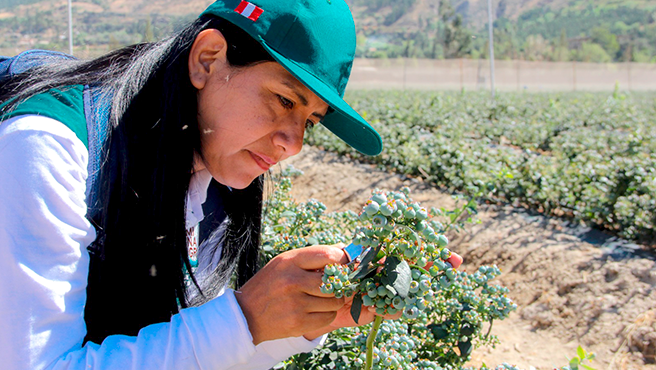
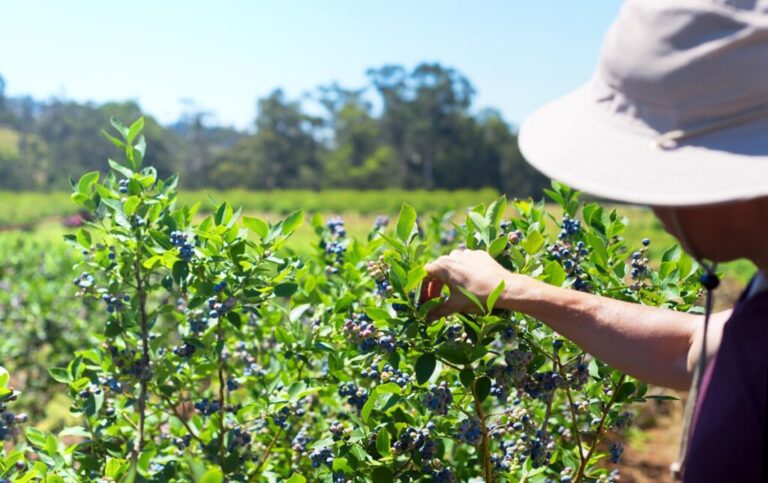
*Photos are referential. | Top picture by SENASA.
Related articles
Peruvian blueberry industry subjects 2026 season projections to El Niño threat
The Peruvian blueberry boom heads for the homestretch
Record-breaking Peruvian blueberry exports top $2.5B amidst global market diversification
Peruvian blueberry sector updates 2025 export outlook with shorter season and volume decrease