








European strawberry market shows strengths amid rising challenges, says Freshfel
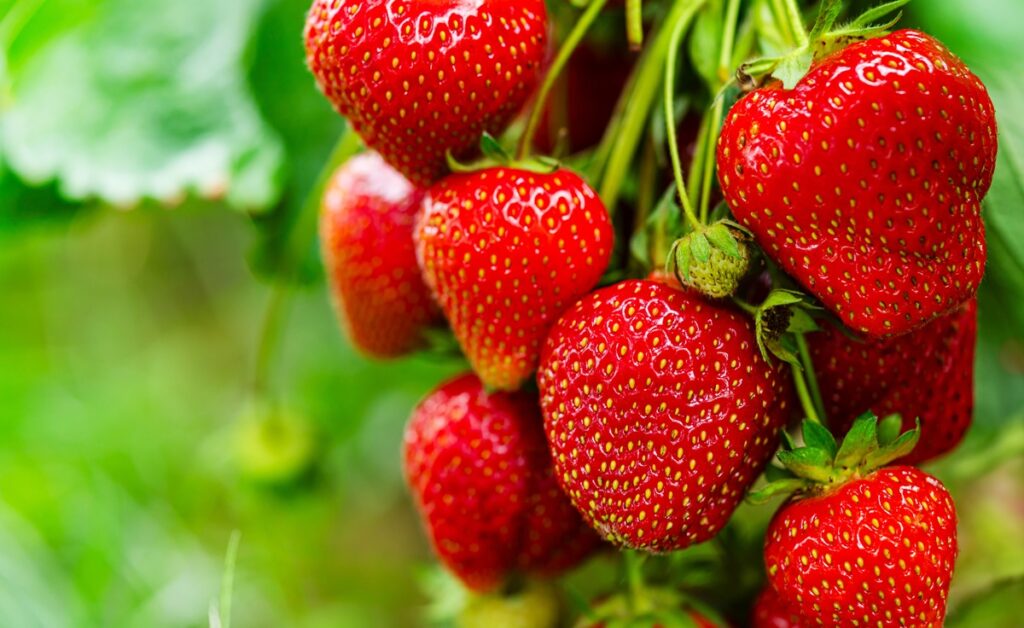



At the 2025 International Strawberry Conference (ISC), Freshfel Europe’s general delegate, Philippe Binard, presented a sharp analysis of the European and global strawberry market, emphasizing both its strengths and the challenges the sector faces amid economic, climatic, and geopolitical uncertainties.


Despite representing a high-value market of €2.7 billion, European strawberry production has fallen 13% over the past decade, reducing cultivated area to 74,000 hectares, Freshfel reported.
Spain and the Benelux countries (Belgium, the Netherlands, and Luxembourg) remain strong production hubs, while Greece and Poland are emerging as dynamic players. The European Union accounts for 11% of global strawberry production.
“Confidence in flavor and quality, as well as building year-round trust with consumers, are essential for market growth in a complex world,” said Binard. “The European strawberry sector is showing resilience and proactively adapting to meet the EU’s strict standards for sustainability, safety, and regulation,” he added.
Binard also highlighted that strawberries, within the berry and fruit basket, not only generate high economic value but also deliver health and environmental benefits.
Production and Trade in the European Union
Freshfel noted that most EU strawberries are sold locally, with an estimated 60% of production—1.2 million tons—consumed within the member states where they are grown. However, year-round supply is ensured, with winter volumes from the south and summer harvests from the north.
Market dynamics are reflected in robust intra-European trade of 400,000 tons, worth €1.3 billion. Spain leads the EU market, alongside the Netherlands and Belgium as traditional players, while Greece and Poland continue to strengthen as emerging markets.
Imports remain limited at under 20,000 tons, down 22% over the past decade. Morocco and Egypt remain the leading external suppliers.
Strawberries continue to dominate the berry category in Europe, which now exceeds 800,000 tons of intra-EU trade. While strawberries account for 48% of that total, blueberries are the fastest-growing category, representing 31% of intra-EU berry trade and driving the overall expansion of berries in the fruit sector.
Strawberries remain a symbol of vitality and enjoyment, Freshfel noted, but their future depends on how well the sector manages climate pressures, uses resources sustainably, maintains competitiveness in a volatile geopolitical context, and adapts to evolving consumer habits.
Greater collaboration along the supply chain and stronger representation within the EU would help fully unlock strawberries’ health benefits and their low environmental impact, the association emphasized.
Related stories:
U.S. strawberry export volumes reached highest record in 2024
Agronometrics in Charts: Current state of the US strawberry market










Subscribe to our newsletter