







Florida tropical fruit growers face new water and weather challenges
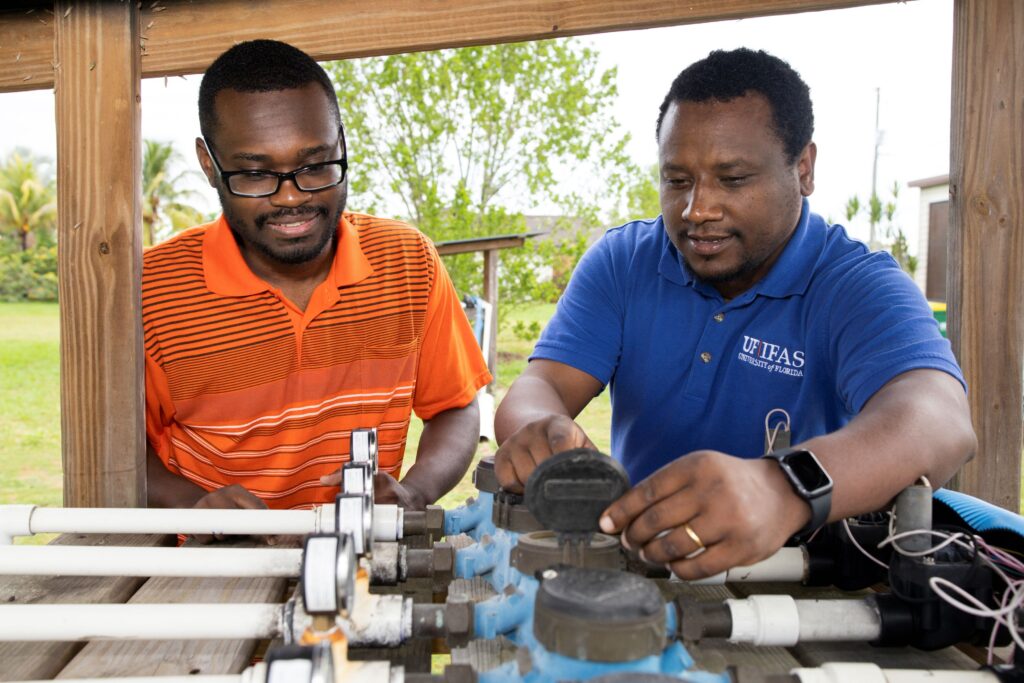



Florida tropical fruit growers and backyard producers are confronting increased risks from flooding, drought, heat, and salinity, warns a new University of Florida’s Institute of Food and Agricultural Sciences (UF/IFAS) publication.


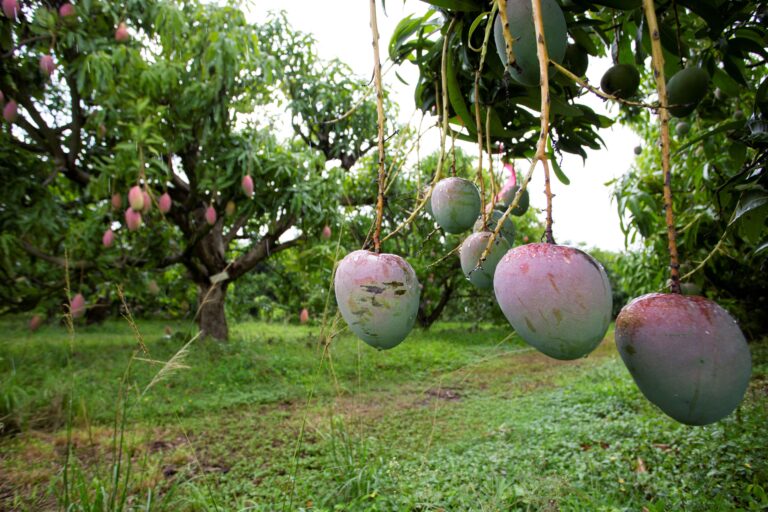
The Quick Guide to Environmental Factors Impacting Subtropical and Tropical Fruit Crops in Florida offers science-based recommendations for managing soil, water, and crop selection across the state. The document is part of the entity’s Ask IFAS Extension series and aims to help growers make informed decisions about tropical and subtropical fruit crops throughout the Sunshine State.
“Florida’s fruit-growing success is closely tied to water conditions, not just temperature,” says Young Gu Her, associate professor of hydrology and agricultural engineering at the UF/IFAS Tropical Research and Education Center. “Across the state, soils range from sandy, fast-draining sites to low-lying areas with poor drainage and shallow water tables.”
Understanding tropical fruit challenges
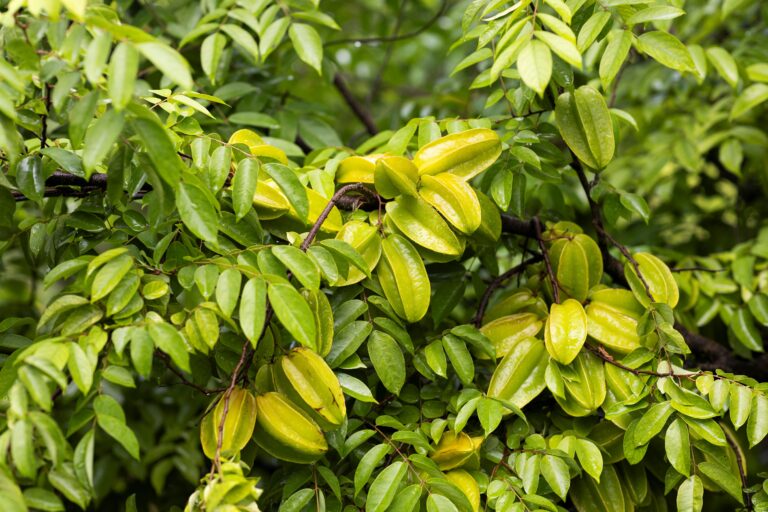
Heavy rainfall can pool around roots, reduce soil oxygen, and increase disease risk, while dry periods can stress trees in sandy soils unless irrigation is carefully managed, the guide explains. In coastal or poorly drained areas, irrigation water can become salty, affecting root health, nutrient uptake, and long-term productivity.
“Understanding how water moves through a yard or a grove, and how long soil stays wet or dry, is often the difference between a tree that thrives and one that struggles,” Her adds.
The UF/IFAS specialists also stress that fruit crops respond differently to environmental conditions. Each species has specific temperature and dormancy requirements, known as quiescence, that affect flowering and fruit set. This is relevant for commercial operations, urban orchards, and backyard growers alike.
“Florida fruit growing is changing as the weather becomes less predictable,” says Haimanote Bayabil, associate professor of water resources in the university’s Department of Agricultural and Biological Engineering. “The increased frequency of flooding, drought, and salinity in some areas means growers need to carefully select sites and crops, manage water more efficiently, and establish effective drainage and irrigation systems.”
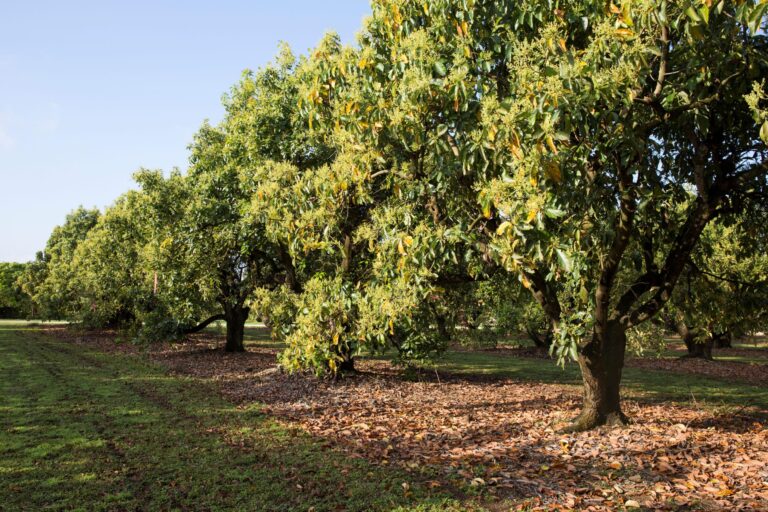
The guide recommends choosing planting sites less prone to flooding and selecting crops suited to local conditions.
“Efficient water management, drainage, and crop selection matter more than ever, especially as flooding, drought, and salinity risks increase,” Bayabil adds. “In simple terms, success will depend on planting plants in the right place and plants that can better handle local conditions.”
For urban and suburban residents, the guide emphasizes that microenvironments—such as low-lying yards, sun exposure, and proximity to driveways or stormwater features—can strongly influence fruit tree performance.
“Because Florida’s weather is becoming more variable, growers and homeowners should expect shifts in flowering timing, fruit development, and irrigation demand from year to year,” Her said. “Paying attention to site drainage, soil moisture conditions, and water quality, especially after heavy rain or during dry spells, can help people adjust practices early and reduce stress before it affects yield and fruit quality.”
*All photos courtesy of UF/IFAS.
Related stories
The tropical fruit takeover and treatonomics: 5 top trends driving consumer behavior in 2026
The “Tropical Jewel” shines on as mango market defies challenges
Mangoes and kiwis see sales surge as US shoppers embrace tropical fruit



Subscribe to our newsletter