Salix Fruits flags logistics and oil prices as top risks to US fruit trade amid Middle East tensions
 Add Fresh Fruit Portal to Google
Philadelphia-based importer and exporter Salix Fruits is closely monitoring the implications of the ongoing Middle East conflict on the produce industry. The firm points to three key variables—shipping routes, oil prices, and market reactions—as tensions test global fresh fruit logistics.
Though the company reports no current disruption to demand or United States-bound supply, Chief Operating Officer Juan González Pita tells FreshFruitPortal.com that they remain vigilant.
“The region concentrates a significant share of global crude trade, and any disruption can ripple through the entire supply chain,” he says.
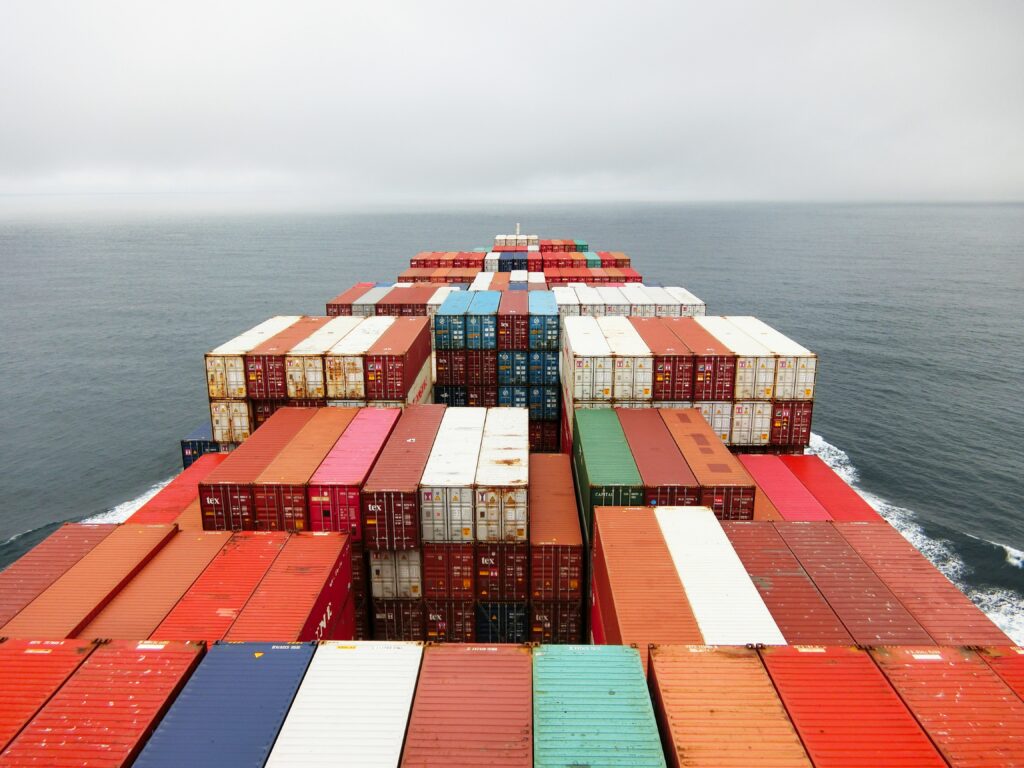
Complications in maritime corridors have already altered usual schedules, creating uncertainty in the transport chain.
“In scenarios like these, the first impact usually comes from potential route adjustments, especially around sensitive areas such as the Strait of Hormuz. The industry is already evaluating alternative routes and ports as a precaution, but so far operations continue normally,” he adds.
Salix’s strategy

Route diversions, longer transit times, and higher insurance costs are posing immediate operational challenges for exporters and importers, the executive notes.
“When geopolitical crises emerge, the fresh produce industry tends to feel the pressure first in its operations, not its sales,” he says.
González Pita stresses that Salix has built flexibility into its supply chain to respond quickly if conditions deteriorate.
“This includes working with multiple shipping partners, optimizing routes when needed, and maintaining close communication with clients to anticipate cost variations. The key is to react quickly and manage costs efficiently without compromising supply continuity,” he explains.
Input price spikes—especially in oil—pose an additional threat.
“In previous crises, sustained increases in logistics costs eventually led to price discussions with retailers, especially in markets with strong cost sensitivity. If the situation persists, we could expect similar dynamics,” he says.
Lessons learned
In a March 18 release, Salix Fruits said the global fruit industry is better prepared for disruption, citing lessons learned during the COVID-19 pandemic and the Russia-Ukraine war.
“Supply was maintained, and alternative logistics routes were found. Today, we have stronger contingency plans and greater flexibility in routes and commercial agreements. The key is to anticipate and react quickly to sustain shipment continuity”, González Pita explains regarding the statement.
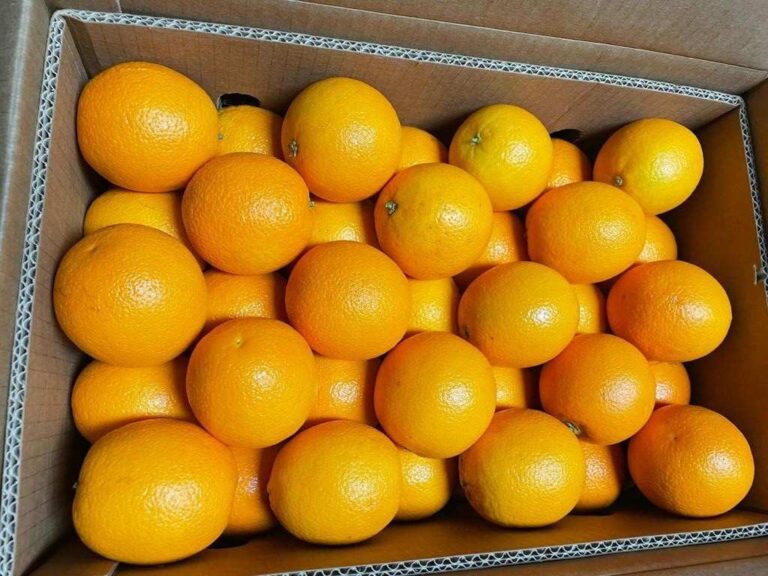
The company also noted that highly perishable products remain the most vulnerable to logistics-related delays, given their reliance on precise transit times.
“In terms of markets, regions that rely heavily on specific shipping routes or that are more price-sensitive could feel the impact more strongly. That said, the industry as a whole is quite resilient and used to operating in complex global environments,” González Pita adds.
Salix Fruits said it continues to track developments in the Middle East alongside oil price movements and buyer behavior in North America and Europe, where inflationary pressures could shape future negotiations.
“Our goal is to guarantee continuous supply and maintain the trust of our customers, even in complex scenarios”, the COO concludes.
*All photos courtesy of Salix Fruits.
Related stories
Salix Fruits begins citrus season from Southern Hemisphere
Driven by innovation, Salix Fruits gears up for market expansion to Asia and the Middle East