Opinion | What happens to the global food supply if the Strait of Hormuz remains closed for six months?
 Add Fresh Fruit Portal to Google
This opinion piece was originally published in The Wall Street Journal on March 24, 2026.
By Francisco Martin-Rayo, CEO and Co-Founder, Helios AI
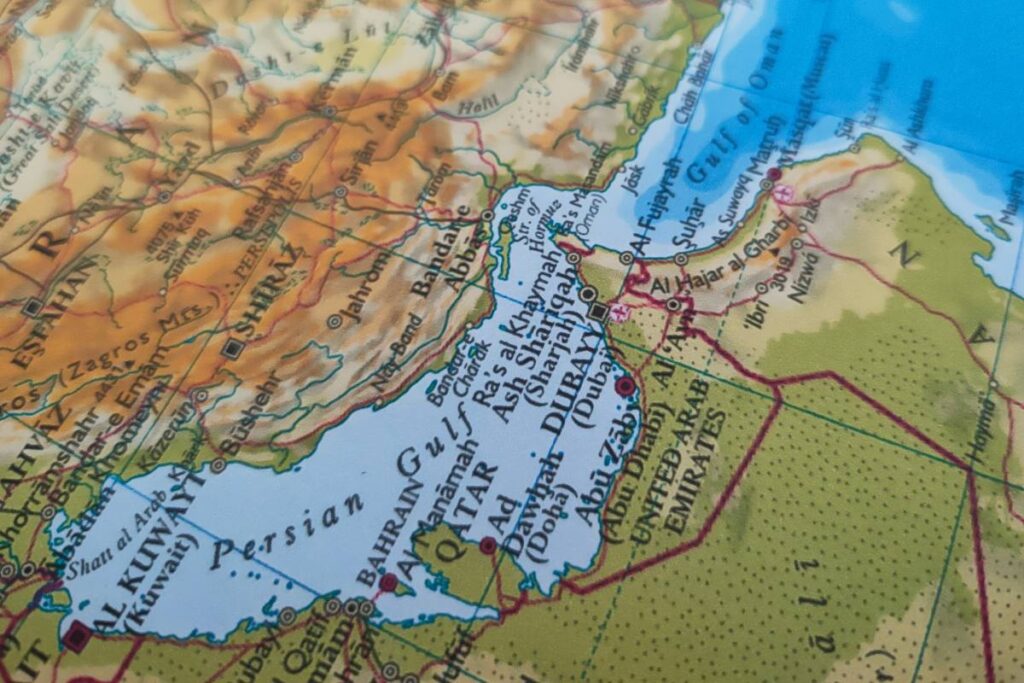
When the Strait of Hormuz effectively closed on February 28, 2026, every financial terminal in the world lit up with the same number: oil, up 50 percent in days.
That is the story everyone is covering, but it is not the most important story. The most important story is quieter, slower, and, in several critical ways, already irreversible.
Hormuz: A crisis running on three clocks
The instinct when a disruption like this begins is to map its duration to the geopolitical calendar. A ceasefire is announced. The Strait of Hormuz reopens. Things go back to normal. That framing is embedded in most of the market commentary being written right now, and it is almost certainly wrong.
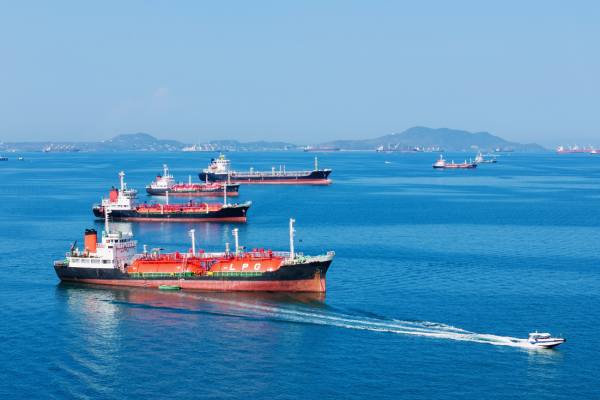
What is actually happening is a crisis unfolding at three distinct speeds simultaneously, and only the fastest one is being discussed.
The acute shock is already visible: Iranian feed mills are running out of corn within days of the closure, perishable cargo is sitting at anchor in the Arabian Sea, and Gulf port inventories are deteriorating in real time. This is the crisis generating headlines. It is severe. It is also, in the context of what follows, the least consequential.
The medium-term shock is building in fertilizer markets, largely out of view. Roughly 50 percent of globally traded urea, the nitrogen fertilizer that underpins nearly half of global food production, originates in the Gulf and transits Hormuz. QAFCO's facility in Qatar, the single largest urea production site in the world, is shut down. Urea prices at the New Orleans hub have already moved from $475 to $680 per tonne. And the spring planting window in the Northern Hemisphere is open right now, closing by the end of May.
Urea not applied to a wheat field in April cannot be retroactively applied in July. That window will close regardless of what happens in any diplomatic back channel.
The slow crisis—the one almost no one is discussing—is the 2027 harvest. The planting decisions being made today by farmers from the Punjab to the Po Valley to the Cerrado will determine what the world's grain reserves look like heading into next year. For tens of millions of smallholder farmers across sub-Saharan Africa, where over 90 percent of fertilizer is imported and application rates are already at minimums, a $625 per tonne urea price doesn't mean applying slightly less fertilizer. It means a harvest failure.
The exporter paradox
The natural instinct in a Gulf supply shock is to look to Brazil, Australia, and the United States to fill the gap. That instinct is not wrong. What it misses is a structural problem that sits at the center of this analysis.
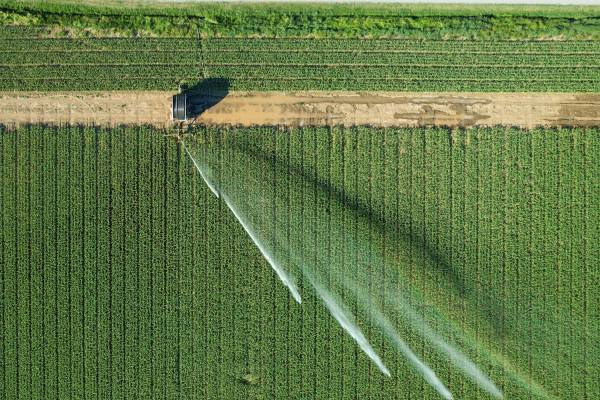
Brazil imports 85 percent of its fertilizer requirements. Australian grain growers, who source 70 percent of their urea through Hormuz, are heading into planting with roughly 15 percent of what they need. The countries the world will instinctively look to as sources of relief are themselves caught inside the disruption they are being asked to relieve.
There is also the underappreciated risk of an export restriction cascade. In 2022, when fertilizer markets were disrupted by the Ukraine war, Serbia, Hungary, India, Indonesia, and Argentina all restricted food exports within months. The conditions driving that behavior are materially more acute in 2026. It is a risk that forward markets are not adequately pricing.
The clock that doesn't reset
When the Strait of Hormuz reopens, oil markets will begin to normalize. LNG will gradually recover as reconstruction progresses. Shipping lanes will clear. Financial markets will reprice and move on to the next story.
The food system clock does not reset on that day.
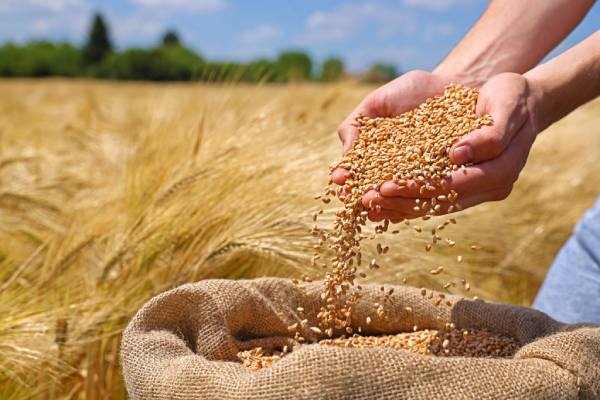
It runs on its own timetable, governed by biology and agronomy and growing seasons that cannot be rescheduled by a ceasefire announcement. The fertilizer was not applied this spring; the harvests were planted thin, and the grain reserves were drawn down without replenishment. Those outcomes are being determined right now, while the world's attention is fixed on tanker movements and oil futures.
US Admiral McRaven's warning about expensive oil was, in its original context, a caution about sustained disruption in a domain with backstops: strategic reserves, alternative pipelines, and political will. The food system has no equivalent infrastructure. There is no strategic urea reserve. There is no emergency protocol that substitutes for nitrogen in the soil at planting time.
The two crises are running on different clocks, and the food clock does not care when the energy crisis resolves.
*All images are referential
Related stories
Opinion | Beyond supply and demand: The new geopolitical reality of agriculture