








Fertilizer costs could squeeze margins and threaten 2027 yields




As escalating tensions in the Middle East test the produce industry’s supply chain resilience, rising fertilizer costs could soon become a different threat entirely.


Global markets exited the first quarter of 2026 under “severe strain,” RaboResearch’s April 7 Semiannual fertilizer outlook report states.
The document notes sharply higher prices, reduced availability, and ongoing volatility in nitrogen, phosphate, and potash.
The closure of the Strait of Hormuz, a key transit route for fertilizer inputs, has halted close to half of global urea exports and pushed prices up by nearly 30 percent.
Higher fertilizer costs today, lower yields tomorrow
RaboResearch links the supply shock to a rapid deterioration in fertilizer affordability, with prices rising significantly faster than agricultural commodity prices. The imbalance has compressed farm margins and increased financial pressure on growers worldwide.
“Our fertilizer affordability index has moved decisively into negative territory and is expected to remain constrained throughout 2026, with only limited recovery in the second half of the year,” said Bruno Fonseca, Senior Analyst – Farm Inputs with RaboResearch.

The report identifies nitrogen markets as the most exposed segment, forecasting a notable decline in demand in 2026. Phosphates face similar pressure, while potash markets remain relatively more balanced but still vulnerable to indirect demand impacts.
“Overall, the fertilizer market faces a prolonged period of tight supply, weak affordability, and heightened price risk. Even if geopolitical tensions ease, normalization will be slow,” Fonseca advises. “Demand destruction is becoming unavoidable: Farmers are expected to trim application volumes in the current season and likely the next crop cycle as well.”
Limited impact for 2026 crops
Despite rising fertilizer costs, the report forecasts minimal impact on Northern Hemisphere crop production in 2026, as most fertilizer purchases were secured before the conflict.
United States growers are expected to plant sufficient acreage in corn and soybeans to maintain ample inventories. These supply levels are expected to keep downward pressure on commodity prices and farm profitability.
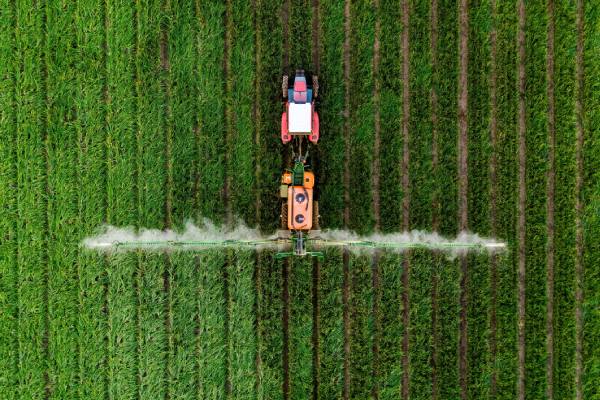
However, the report highlights emerging risks in wheat production due to dry conditions in Canada, the US Great Plains, and parts of Argentina, heat stress in India, and variable weather in the Black Sea region. Australian growers are also exploring alternatives to wheat amid higher fertilizer costs.
RaboResearch warns that sustained high fertilizer prices could reduce application rates in 2027, potentially lowering yields and tightening global supplies.
*All pictures are referential.
Related stories:
Global fertilizer demand expected to dip in 2026
Fertilizer Catalyst Market projected to increase $1.2 billion in 10 years
Strait of Hormuz disruption sends fertilizer costs skyrocketing 30 percent



Subscribe to our newsletter