


CGA assesses crop damage after dangerous floods hit citrus-producing regions in South Africa
 Add Fresh Fruit Portal to Google
Dangerous floods, heavy rain, thunderstorms, and even snow have disrupted citrus-producing regions in South Africa since the first week of May, according to local newspaper TimesLIVE.
The weather event has severely impacted the Western Cape and parts of the Eastern Cape, and resulted in multiple road closures across the region, as well as the death of at least ten people, according to the Associated Press (AP).
The South African government has declared a state of disaster, which the country's Citrus Growers' Association (CGA) welcomed, as it "will enable coordinated support from all three spheres of government in response to this crisis."
Too soon to gauge flood damage
In a statement, CGA CEO Boitshoko Ntshabele sympathized with the affected farming communities and labeled the crisis a "significant setback," as it comes right as the citrus season started ramping up.
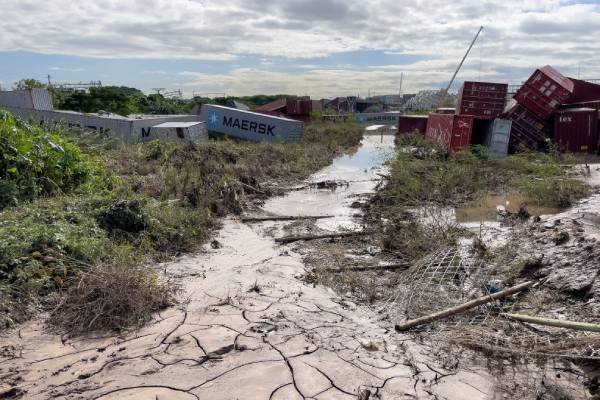
Flood damage in Durban, South Africa, in 2022.
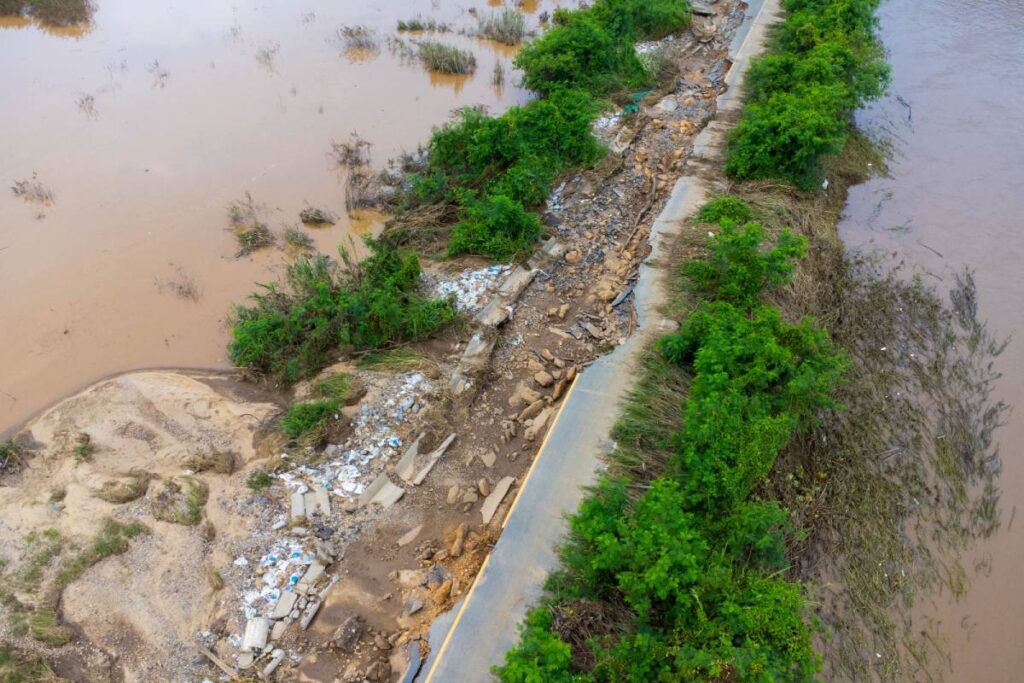
The executive emphasized that it's still too early to speculate about the full impact the weather event will have on the crop, but reported clear infrastructural damage in the most severely impacted area: Kouga Municipality in the Eastern Cape, particularly the Gamtoos Valley around Patensie.
"Early indications suggest that orchards have been flooded, with some trees uprooted, and initial estimates indicate that around 10 to 12 percent of the Gamtoos Valley crop may be affected," Ntshabele said.
On a positive note, the industry leader noted that even though the Citrusdal and Boland regions in the Western Cape have experienced significantly more rainfall than in previous flood events, key infrastructure and main access routes have largely remained operational. This will be critical for local growers to bounce back and ensure supply remains intact, the executive explained.
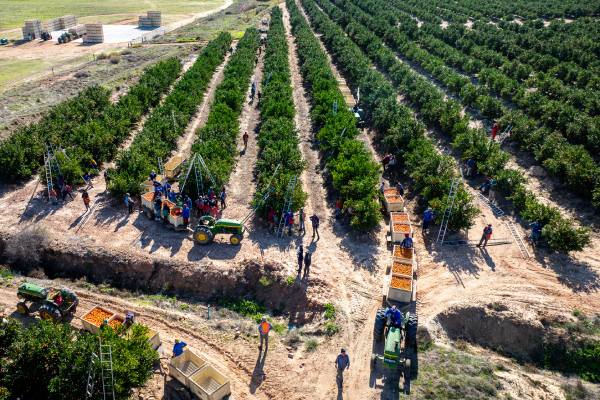
Image courtesy of CGA.
Ntshabele was adamant that no accurate assessment of the damage could be made at this point, but noted that early reports indicate the soft citrus category would be the most acutely affected, as early mandarin harvesting was ramping up when the weather front hit.
"These developments come at a challenging time for growers, who are already facing softer demand in the key export market of the Middle East, as well as rising input and logistics costs," the statement read. " What had been shaping up as a strong season now requires high levels of adaptability and responsiveness."
According to AP reports, severe floods across Mozambique, South Africa, and Zimbabwe are intensifying, driven by extreme weather, resulting in the region’s worst flooding events in years.
This is South Africa's second extreme flooding event of the year, says the news agency. Back in January, the country declared a national disaster that killed at least 30 people, damaging thousands of homes and washing away key infrastructure.
*All images are referential.
Related stories
South Africa: Late mandarin exports stabilize in 2026 with slight drop
South African table grape exports remain steady despite logistical challenges