


Abnormal California heat disrupts 2026 harvest raising quality concerns

 Add Fresh Fruit Portal to Google
Early-season California heat is disrupting multiple crops, with confirmed losses and future quality concerns already weighing on producers in the Golden State. Berries, grapes, and citrus are among the most affected categories, according to regional media, company crop updates, and industry reports.
In Santa Clara County, cherry growers are struggling with sharply reduced yields after a warm winter combined with a spring heat spike during bloom. According to Gilroy Dispatch, a local news outlet in Gilroy City, orchards received about 400 chill hours, well below the up to 850 hours typically required for key varieties such as Bing. This impacts key aspects such as bud break, flowering, and fruit set.

The same report states that subsequent heat during flowering disrupted pollination, with some growers estimating yields at about five percent of a normal crop.
In Southern California’s desert production regions, a March heat wave caused significant losses in winter vegetables. According to local news channel KESQ, crops including lettuce, broccoli, and celery were damaged, with one farm reporting losses of approximately 2,500 tons.
Coastal crops are also feeling the California heat
Warmer-than-usual temperatures are also affecting berry production along the coast, where growers are reporting multiple quality issues and reduced packouts.
An early April crop update from California Giant Berry Farms notes that crews in Watsonville and Salinas are discarding a “notable amount of sunburned fruit,” as well as product with deformities and overripeness.
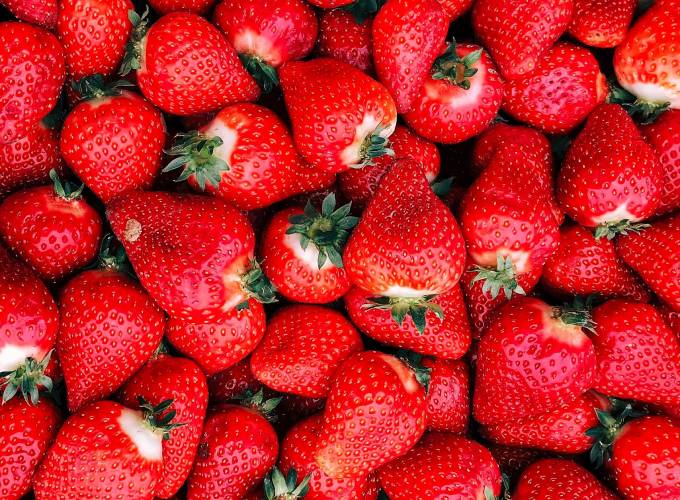
The company also reports that in Santa Maria County, the sustained heat is contributing to soft skin and greater handling sensitivity in berries. These conditions can increase labor requirements in the field and reduce the share of fruit that meets fresh-market standards, according to the company’s updates.
Tighter windows for grapes, quality concerns for citrus
California’s table grape crop is advancing ahead of schedule following above-normal temperatures.
Reporting from market analyst firm Produce Market Guide shows that recent heat has pushed development 14 to 16 days earlier than average, setting up a potential record-early harvest.
However, the shift raises the likelihood of overlap with imported grapes from Chile and Peru and may compress the domestic marketing window later in the season.
In citrus, heat-related effects are emerging more gradually. According to Blue Book Services, growers are observing increased regreening in Valencia oranges and changes in peel texture in the Navel variety. Both these issues can affect grading and retail acceptance.

Further reporting from industry news outlet FreshPlaza indicates that recent heat waves have also disrupted Navel bloom, potentially affecting fruit set and sizing later in the season.
Additionally, local news site Bakersfield Now reports that elevated temperatures following the spring bloom in Kent County may affect flower development and contribute to the “June drop,” where trees shed immature fruit. The naturally occurring process is a key determinant of final yields.
*All images are referential.
Related stories
Facing the heat: Climate change, competition, and Mexican avocados' plan to secure export leadership
From heat dome to bountiful harvest: Washington's frozen raspberry crop sees major 2025 recovery
Heat-stress protection protocols for farm workers save lives in the fields