







Frost damage: Post-harvest tech surges as a solution for fresh produce in the face of climate change




Late-season frost events across North America and Europe have elevated the urgency of protecting every unit that survives to harvest.


Europe recently faced a severe frost wave that wiped out a significant share of apples, grapes, plums, cherries, and early raspberry varieties. Across the sea, consecutive freeze events in Michigan during April sent temperatures plunging into the low 20s Fahrenheit during critical bloom windows. The damage stretches well beyond any single growing region.
As winters warm, trees break dormancy earlier, exposing vulnerable floral tissue to the same late-frost window that has always existed on the calendar.
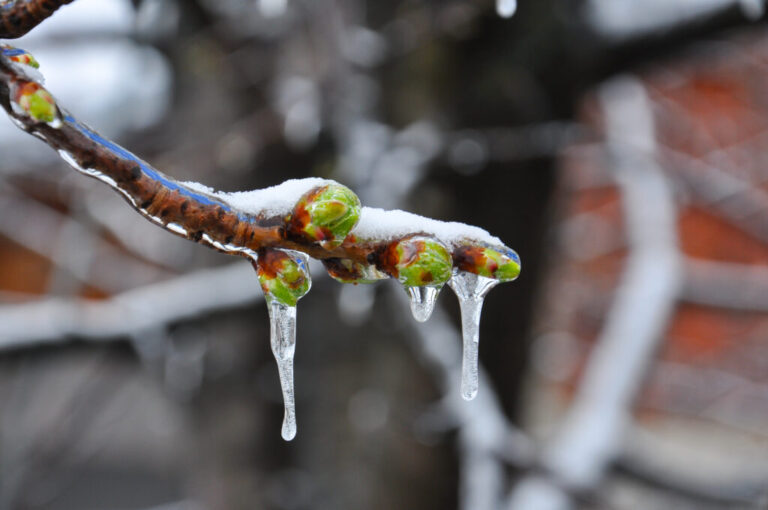
Referential image
A 2019 study published in the journal Climatic Change found that compound climate events in a 2°C warmer world could increase frost-damage risk for apple trees in certain European regions by up to 10 percent. This is not because frosts have become more frequent in absolute terms, but because crops bloom earlier into their path.
The hidden loss: What happens after the frost
Frost damage on the farm is visible, but the damage that follows in the supply chain is not.
In a year already defined by constrained field yields, the post-harvest phase becomes disproportionately consequential. According to the FAO, approximately 45 percent of all fresh produce is either lost or wasted annually along the supply chain. Among fruits and vegetables specifically, FAO data show that 61 percent of fruits and 56 percent of vegetables are still lost or wasted after harvest.
According to a 2026 Avery Dennison report published in cooperation with the Centre for Economics and Business Research (CEBR), fresh produce waste is projected to generate approximately $88 billion in global economic losses annually, making it one of the most costly categories of food waste in the supply chain. The report highlights that produce losses occur not only at retail level, but throughout transportation, storage, and distribution.
The primary driver of this post-harvest deterioration is ethylene, a natural plant hormone that accelerates ripening, softening, and senescence. Even at concentrations measured in parts per billion, ethylene triggers ripening and shortens commercial shelf life, prompting softening, browning, and loss of visual quality. The gas also increases susceptibility to pathogenic decay and initiates a self-reinforcing cascade in climacteric crops such as apples, tomatoes, and stone fruit.
The consequence in a frost year is compounding: reduced harvest volumes collide with accelerated post-harvest spoilage, compressing the window for distribution and sale.
Every box lost in shipment or at retail in a season of scarcity represents an outsized economic blow.
Frost management and post-harvest technology: A strategy
The 2026 spring frost season underscores a structural recalibration underway across the fresh produce industry. For decades, the industry’s primary response to climate risk was focused upstream: breed more resilient varieties, invest in frost irrigation, deploy wind machines.
These measures remain valuable but are, by nature, probabilistic. When temperatures cross the critical threshold, no agronomic intervention can reclaim what is lost in the field.
"Post-harvest management, long treated as an operational formality, is now emerging as a core economic lever," says Andrzej Wolan, CEO of ag tech company Fresh Inset. "In a constrained supply environment, every percentage point of saved marketable product translates directly into revenue."
Fresh Inset’s Vidre+ lands as a possible solution in this context. Applied as an internal label within produce or floral packaging, or printed directly onto packaging materials, the product helps slow down ripening and senescence processes caused by ethylene exposure.
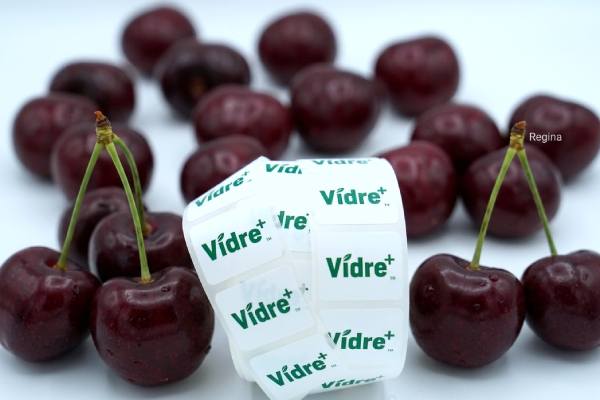
The technology holds GRAS (Generally Recognized As Safe) status from the US Food and Drug Administration, and the company said it leaves no residue on produce and requires no additional equipment or disruption to existing packing line operations.
Fresh Inset data show measurable shelf-life extension across the crops they deem most vulnerable to spring frost events: up to 21 extra days of good quality for cherries and avocados, and up to 12 days for tomatoes and bell peppers.
“In a reduced-yield season, the competitive advantage belongs to those who protect quality beyond the farm gate," Wolan added. "Post-harvest technology is no longer a nice-to-have, but a risk management essential.”
Agricultural resilience will not be built solely in the field, said the company. It will require integrated strategies that combine climate-aware production practices, predictive risk management, and advanced post-harvest technology.
*All images courtesy of Fresh Inset unless stated otherwise.
Related stories
Florida's $3.1 billion freeze damage: Citrus, berries, and sugarcane face massive losses
Innovative freeze-protection could transform Florida’s passion fruit growing approach
Freeze aftershock: Florida tomato supply tight after winter storms






Subscribe to our newsletter