








Low US volumes open the door to a promising Chilean citrus season



Written and reported by Macarena Bravo | Lee esta noticia en español


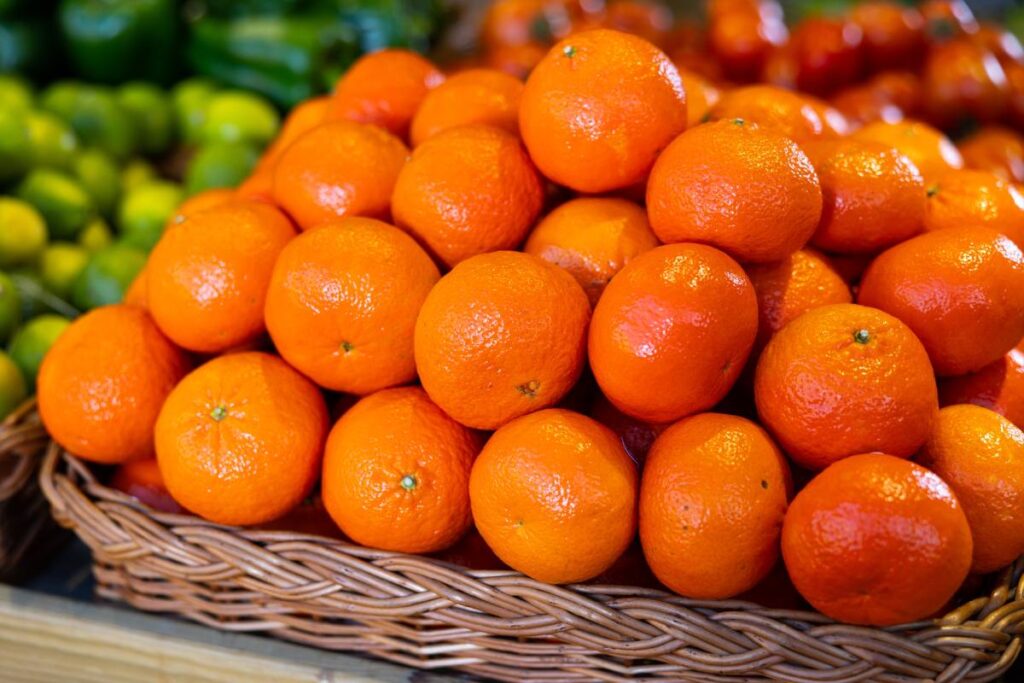
The Chilean citrus season started amid a particularly favorable scenario, says industry consultant Julio Cornejo, who noted the sector’s focus shouldn’t be on achieving great volumes.
“More than increasing production, I would concentrate on the market situation, because we are facing a quite interesting scenario for Chile,” he told FreshFruitPortal.com.

For the expert, one of the keys of the season is the lower-than-usual fruit availability in the United States, the main destination for Chilean citrus exports. Climatic conditions in the US prevented the industry from storing mandarins and oranges until the end of the season, considerably shrinking commercial volumes at retail.
The situation has favored Chilean clementines, Cornejo said, giving the Andean industry an edge over other Southern Hemisphere exporters, such as South Africa, which faces higher tariffs and production difficulties derived from climatic factors.
“We are arriving at a very undersupplied market, which allows all the fruit to sell well,” he noted.
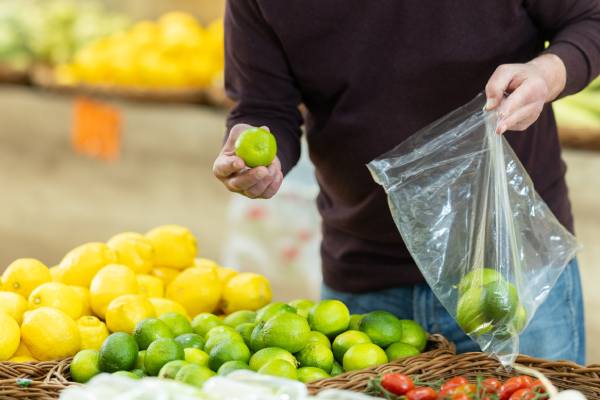
The outlook is also encouraging for oranges and lemons. In both cases, the expert explained there’s active demand and lower availability of fruit in the US and other relevant markets, including Asia.
In the case of mandarins, Cornejo says initial high prices could last throughout most of the season, increasing producers’ margins.
Not all is sweet for Chilean citrus
However, not everything is tailwind for the Chilean citrus industry. The sector is currently facing a considerable challenge in the Coquimbo Region in the north, where fruit fly was recently detected, forcing the implementation of cold treatments for export.
The practice seeks to ensure the fruit's phytosanitary condition before shipping abroad, but entails higher costs and a shorter post-harvest life.
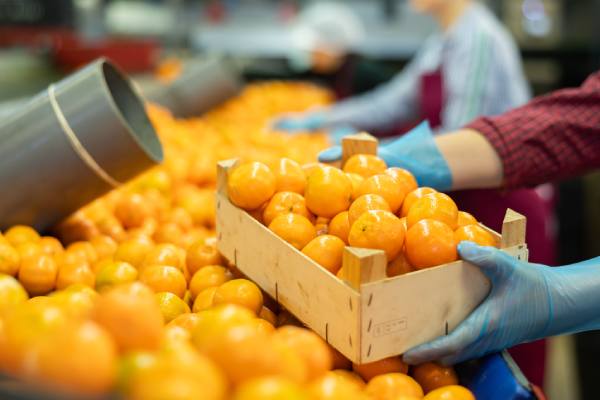
“Cold treatment requires maintaining the fruit at lower-than-usual storage temperatures during transit, which ends up affecting its condition and reduces its conservation potential,” Cornejo explained.
While this situation affects only producers in the area where the insect was detected, the consultant believes that the rest of the producing regions face a broadly positive scenario.
A call to bet on quality
Harvests are already underway in a large part of the country, with clementines almost done, and export lemons and oranges only starting. Moreover, some orchards are one to two weeks ahead of schedule compared to a regular season.
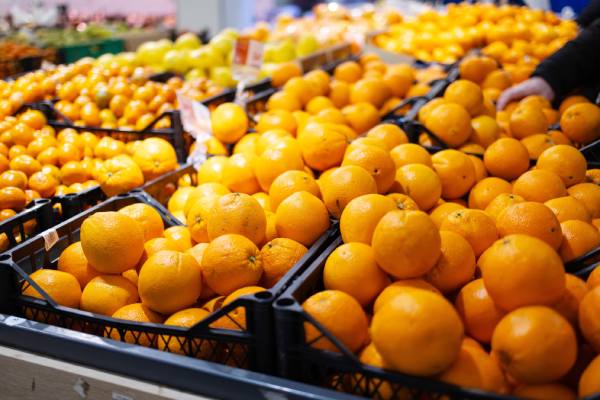
But despite the positive outlook, Cornejo is cautious, calling on the industry to prioritize quality and avoid rushed decisions motivated by potential commercial outcomes.
“The main concern must always be to export high-quality fruit. One must not get overly enthusiastic about the market and end up sending fruit that does not meet the necessary standards,” he concluded.
*All images are referential.
Related stories
Chilean citrus projects six percent growth for its 2026 campaign










Subscribe to our newsletter