








Maryland growers await federal aid following disastrous late cold snap that decimated crops
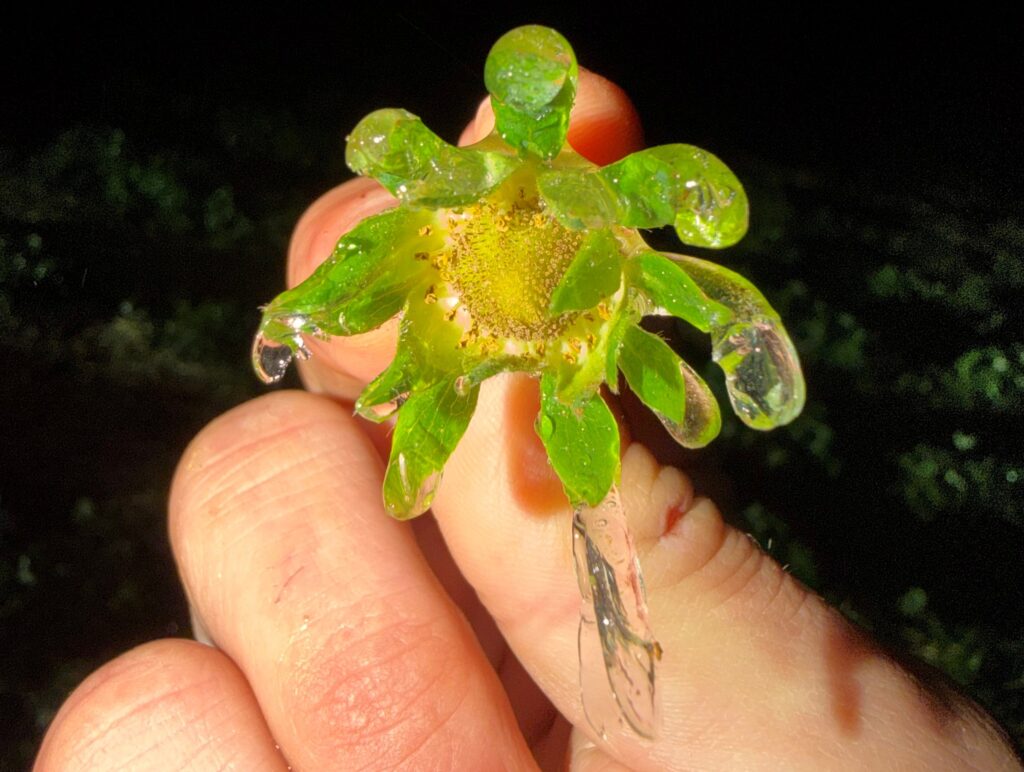



Unpredictable weather continues to define the 2026 produce season, with a late freeze devastating multiple crops across Maryland. Following an unusually warm spell, the April 21 cold snap caused near-total losses, with some producers even warning that impacts could extend beyond this year’s cycle.


The Maryland Department of Agriculture (MDA) continues to evaluate damage across the state while awaiting a response to Governor Wes Moore (D-MD)’s request for federal disaster assistance.
Courtesy of Jeb Burchick.
“Initial reports primarily came from grape producers and wineries. However, it quickly became clear that the impacts were much more widespread,” MDA Director of Communications Rachel Lever told FreshFruitPortal.com.
Lever explained that the impact varies, but reports indicate widespread damage to apples, grapes, peaches, cherries, berries, nurseries, and other specialty crops. The MDA continues to work closely with industry partners to assess the damage, she said.
While some operations report up to 100 percent losses, Lever says the uneven impact may still offer some hope for the state’s commercial prospects.
“Not every farm or growing region was affected in the same way, and we anticipate production from less-impacted areas of the state will help offset some of the losses experienced by those hardest hit,” she added.
Orchard shock
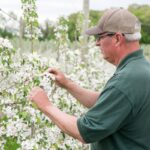
Growers report that perennial fruit crops suffered the greatest damage because many trees and vines had already broken dormancy when temperatures plunged.
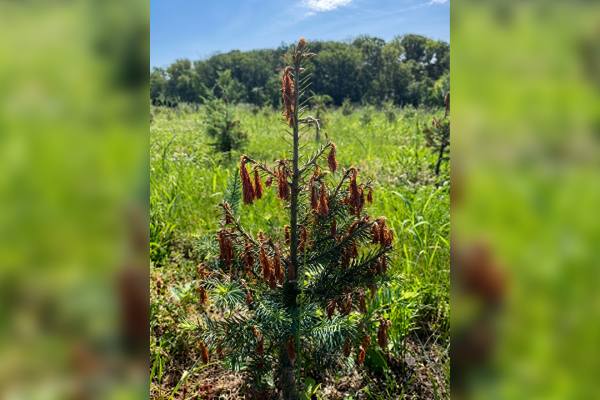
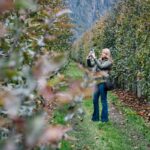
At Gaver Farm, sitting right on the border of Frederick and Carroll Counties, owner Lisa Gaver said the freeze devastated the farm’s apple and Christmas tree production. The operation continues to evaluate whether any marketable fruit remains.
Courtesy of Lisa Gaver | Gaver Farms. *Image quality enhanced by AI.
Gaver said temperatures at the farm fell to 25.2 degrees Fahrenheit before midnight and remained low until after 7 AM the next day, creating a prolonged hard freeze that overwhelmed available frost protection measures.
Sadly, as many growers have already anticipated, the losses extend beyond the current harvest. Despite the lack of a commercial crop, Gaver said the orchard still requires a full season of disease management and maintenance.
“It is still going to cost us to take care of that crop all summer to protect that tree for next year's crop,” she said. “You worry because, if it can cause such a severe crop loss, could it throw a tree into biannual production instead of annual?”
Gaver’s apple orchard relies heavily on agritourism, with u-pick activities and seasonal festivals playing a critical role in profitability.
“We are going to have to fill that void, and that will take longer outreach,” she noted.
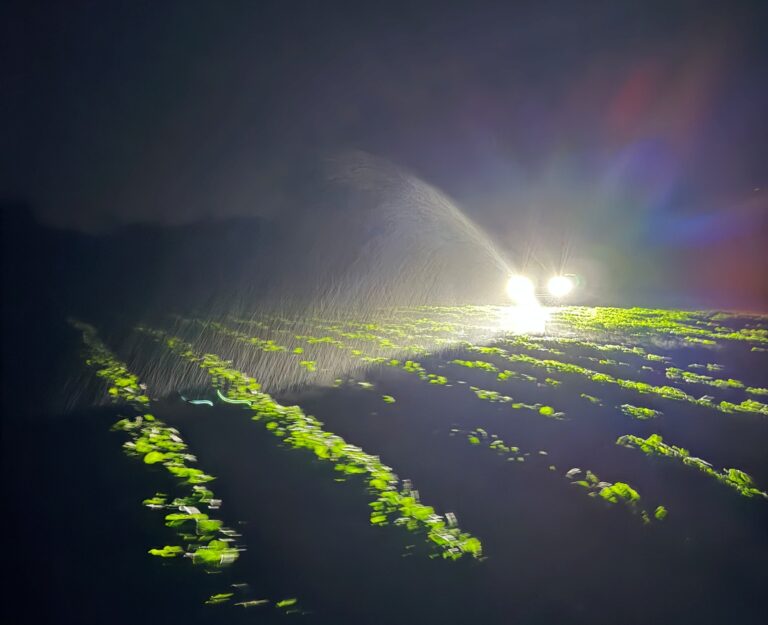
Not too far from the Gavers, Butler's Orchard in Germantown experienced similar losses. Strawberries were in full bloom, while apples and cherries were a little past it when the freeze struck. Fortunately, Farm and Finance Manager Ben Butler explained that they were able to use sprinklers to protect part of their strawberry production.
Courtesy of Ben Butler.
"What we did to protect them worked, which is always a nice thing to see in action. But we did have a few strawberry fields that we were unable to protect and pretty much lost all of them. We realized what a difference it does make," he stressed.
Butler said the farm lost about eight acres of cherries and about 25 of its 30 apple acres. Blueberries also took a hit, with a 20 to 30 percent crop reduction, he said. Despite losses, which Butler ballparked at up to $250,000, he believes the effects of the freeze won't extend beyond the 2026 season.
"It didn't damage any of the hardwood or anything like that, so I've got no reason to believe that we won't be starting fresh next year," he said, but warned that grape growers may be in a "different boat."
Butler's Orchard has an on-farm market and hosts private and corporate events, as well as festivals and pick-your-own activities. This diversified income stream, the executive said, has been key in preserving profitability.
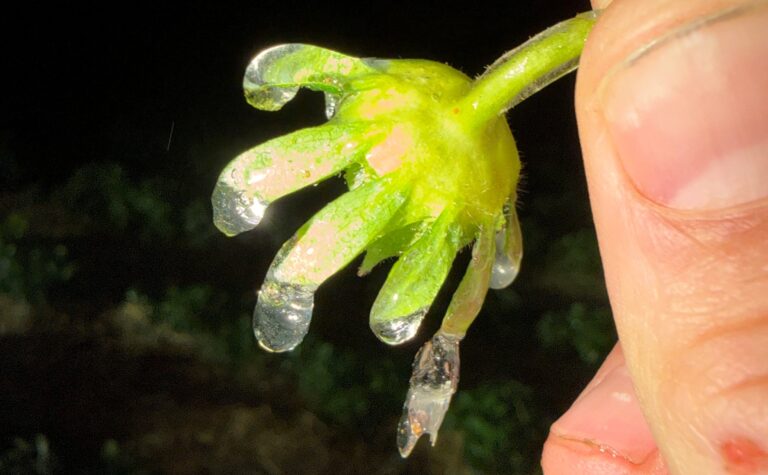
Courtesy of Ben Butler.
Looking back on the night of April 21, Butler said the unusually long freeze further decimated crops.
"My dad and I are the ones who go out to turn on the irrigation and check to make sure everything's functional and operating correctly. And we had talked about waking up at one or two in the morning. I was still up around 10:30 PM when he called me because our alarms went off. It was long and disastrous," he added.
The Maryland Farm Bureau reported similar outcomes among fruit growers across the state. Director of Communications Jeb Burchick noted the agency conducted a self-reported survey to shed some light on the freeze’s extent.
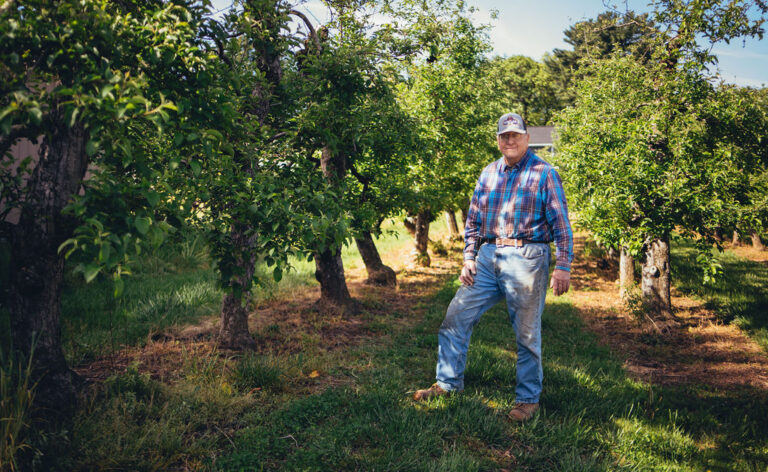
Courtesy of Jeb Burchick.
While the Eastern Shore also experienced crop losses, Burchick said the heaviest impacts occurred in central Maryland. Additionally, the unexpected nature of the weather event adds another layer of complexity, he noted.
“The Mid-Atlantic in general got hit hard, and so it's going to be difficult to import fresh fruit from other states because they got hit with the same thing, too. So if they have yields, say, in New York, it's probably going to stay in New York,” he said.
Burchick stressed that the uncertainty of long-term impacts remains the industry’s largest concern. At the MDA, Lever concurs.
“Our understanding of potential structural damage continues to evolve,” Lever said. “We have seen some situations where, in addition to grape loss, the actual vines were damaged.”
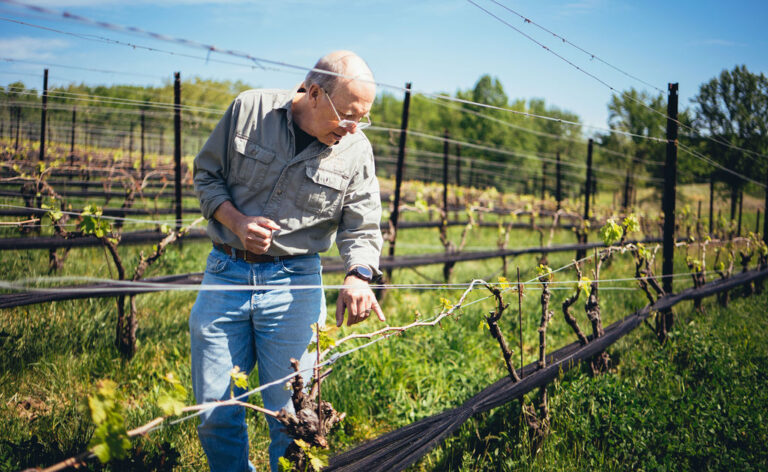
Courtesy of Jeb Burchick.
This, the officials agree, makes the state’s push for disaster declaration all the more urgent.
“As the MDA and the governor have said, we're well above that 30 percent threshold for disaster declaration. So we're eagerly awaiting it,” Burchick said.
A call to the Maryland community
The freeze could create supply challenges for local fruit markets, farm stands, and agritourism businesses that depend on Maryland-grown fruit during the summer and fall seasons.
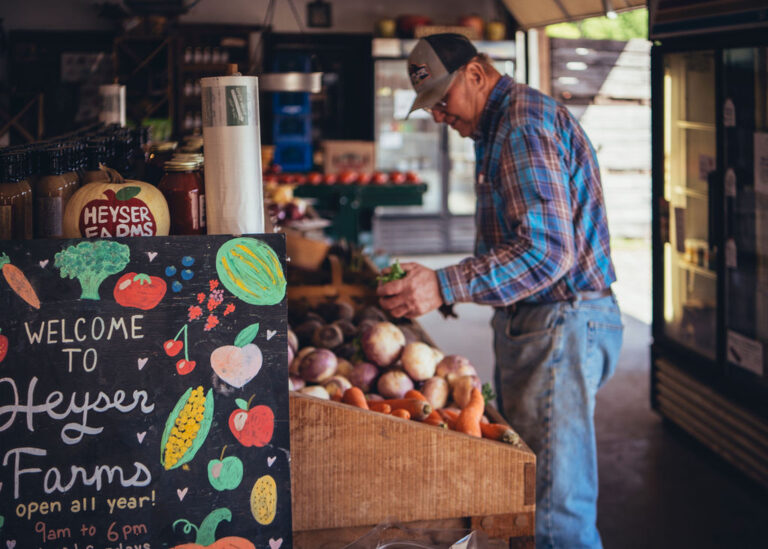
Courtesy of Jeb Burchick.
As growers evaluate and prepare for the next campaign, farm organizations are encouraging consumers to support local agriculture during what many producers describe as one of the most challenging growing seasons in recent memory.
“This is just a really good time for consumers to step up and support their local farmers. Obviously, prices are going to be fluctuating, and it might be a little bit more expensive, but it's going to mean a lot to our community during this difficult time,” Burchick said.
*Top photo courtesy of Ben Butler.
Related articles
Pennsylvania growers face up to 100 percent losses following devastating freezes
“My budget is toast”: Devastating freeze leaves Florida blueberry farm reeling
Innovative freeze-protection could transform Florida’s passion fruit growing approach




Subscribe to our newsletter