Chilean AI-powered platform seeks to bring the walnut sector into a new era

 Add Fresh Fruit Portal to Google
When assessing a walnut shipment, there is often a familiar ritual: clipboards in hand, experienced inspectors carefully comb through kernels spread across sorting trays, making assessments that can influence export decisions worth thousands of dollars.
Chilean agtech company Nativa Labs is ready to bring the sector into the digital era with the help of artificial intelligence (AI). Nueces IA is a platform that seeks to address inconsistencies in traditional walnut inspections, where visual assessments, as founder Juana Solorza knows well, can vary with individual criteria, lighting conditions, staff turnover, and even visual fatigue.
The executive is certain this new tool can bring greater speed, consistency, and traceability to this process. And, having worked as a quality inspector herself, she’s got the experience to back that claim.
Nativa Labs currently works with eight exporters in Chile and the leading walnut exporter in Argentina, Coralino, and says its technology helps quality teams standardize inspections, reduce subjectivity, and replace paper-based workflows with digital records backed by image analysis.
"We are pleased with the reception from the local industry and our clients, who wanted to take it a step further and not leave the product at just a pilot,” Solorza told FreshFruitPortal.com. “They embraced it and implemented it in production, which allowed us to consolidate quickly."
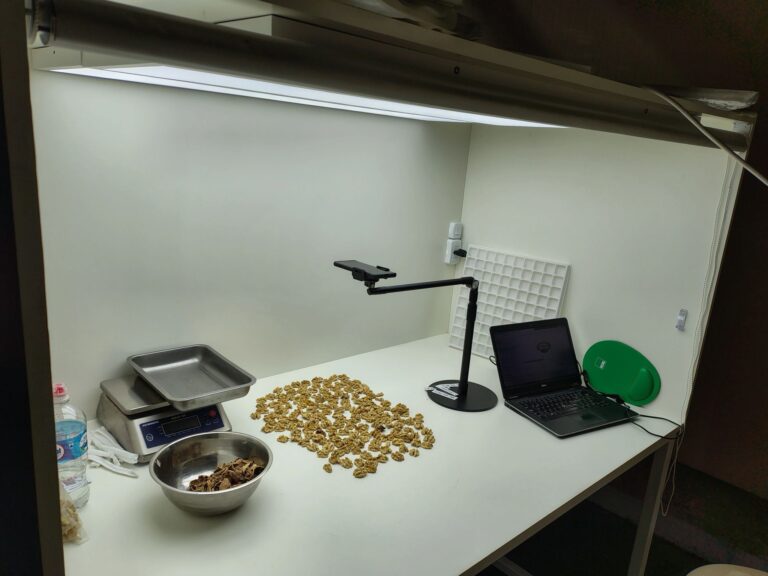
After three years of reaping success in the Southern Hemisphere, the company has set its eyes on California in 2026. The Golden State's dominant position in global walnut exports makes it a strategic proving ground for the technology, Solorza stressed.
“There are currently other technological solutions with which we can compete on equal footing, and that very fact gave us the impetus to make them our next goal,” she noted. “Furthermore, California’s counter-season in relation to Chile will allow our product to operate continuously throughout the year, rather than just seasonally depending on the length of the harvest.”
From clipboards to clicks
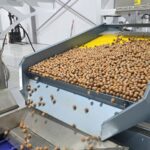
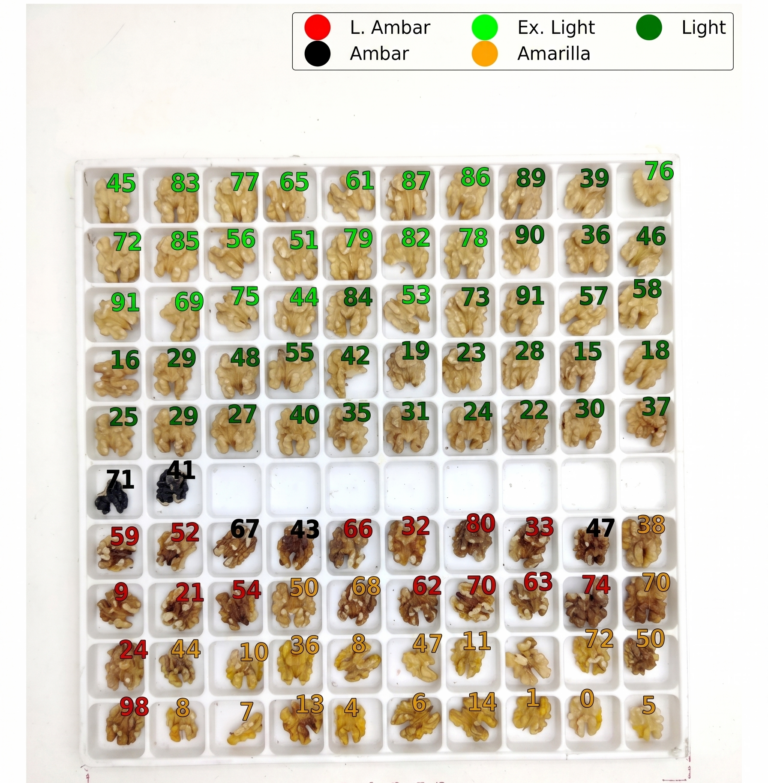
Nueces IA uses image-based analysis to identify shell and kernel defects. It also generates automated reports and integrates with existing traceability systems. According to Nativa Labs, this has enabled inspection records to be backed by images and stored on a centralized platform.
The technology has become particularly valuable during harvest reception periods, when facilities may conduct up to 60 inspections per day.
Solorza said customers report faster inspections, more consistent standards, and less dependence on individual inspectors' judgment. The digital process also eliminates the need for months of post-season paperwork previously required to organize inspection records.
A new season for AI adoption in the walnut industry
The company believes the walnut industry's historically slow adoption of digital technologies has stemmed partly from a lack of specialized solutions for quality control.
According to Solorza, many operations have continued to rely on paper forms and spreadsheet-based systems even as other fresh-produce sectors have adopted digital tools and automated data collection.
"As in other industries, there is resistance to new technologies due to everything this entails: the initial investment in the new service, the adaptation period required by the change in methodology, and the burden of implementing this alongside the existing workload," she explained.
However, Nativa Labs believes that AI-based inspection tools can do more than automate existing tasks. The platform provides additional data that supports decision-making.
"Both our tool and other AI-based developments not only offer a solution to current problems but also open the door to more effective planning, prevention, and the rapid and accurate projection of results," she concluded.
*Photos courtesy of Nativa Labs. | Quality enhanced with AI.
Related stories
Beyond walnuts: Chile explores opportunities and challenges for pistachio cultivation
USDA forecasts abundance and high-quality for California walnuts’ 2025-26 season