


Chilean project harvests fog for water supply in drought-stricken region
 Add Fresh Fruit Portal to Google
In the parched landscapes of northern Chile, the community of Peña Blanca is performing a kind of modern alchemy: pulling water directly from the coastal air.
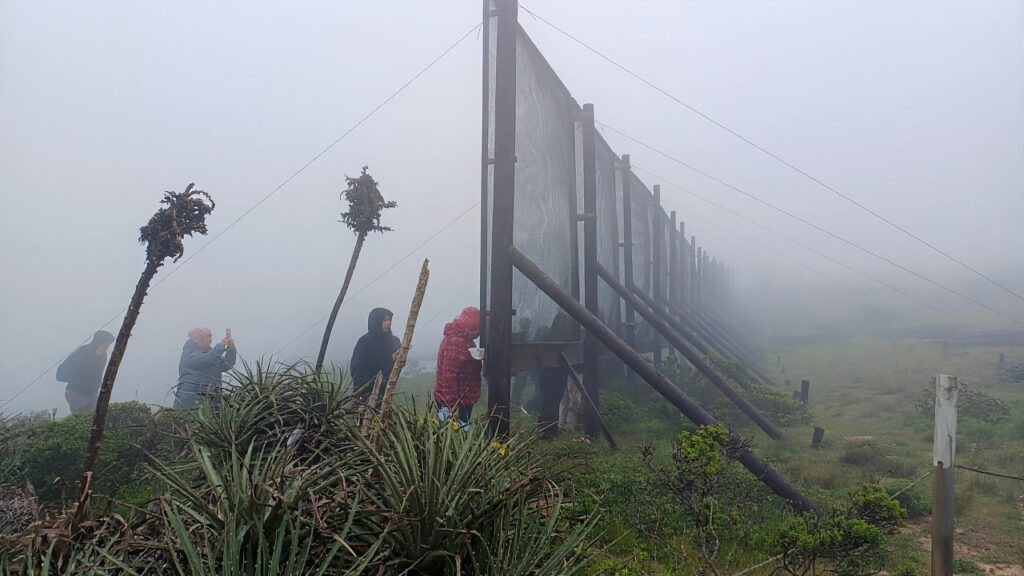
Based on a widely used technique, the pioneering fog-harvesting project just took a massive leap forward by installing new collection arrays that promise to capture an additional 52,800 gallons of water annually. This expansion stitches nearly 970 square feet of specialized mesh into the existing network at the Cerro Grande Ecological Reserve, nestled within the Fray Jorge Biosphere Reserve.
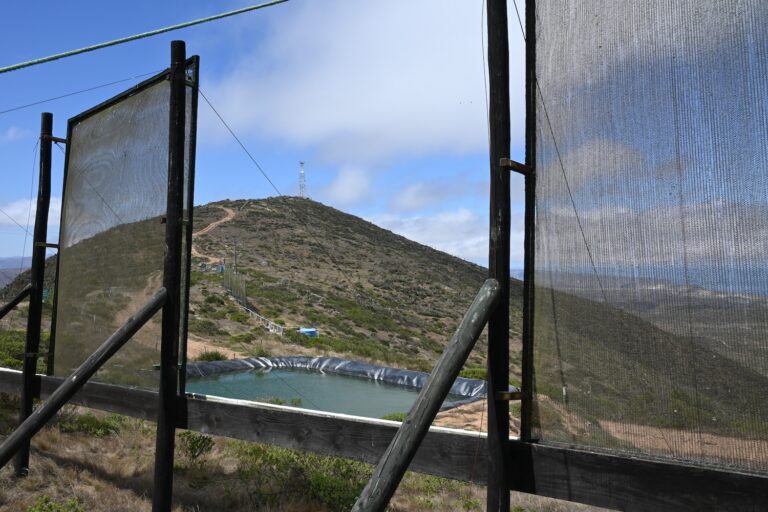
The collaborative triumph was funded by the Global Environment Facility (GEF) and realized through a partnership between the Food and Agriculture Organization of the United Nations (FAO), Chile’s Ministry of the Environment, and the National Forestry Corporation.
The reserve now operates 34 fog catchers covering 3,294 square feet of collection area, capable of harvesting up to 171,700 gallons of water annually—primarily during the spring when the fog is at its densest. For the local residents, who have endured about 16 years of consistent drought, these structures represent a vital pivot away from reliance on precarious wells and costly tanker trucks.
The method behind the project, however, isn’t new. First developed in the 1950s by Chilean scientist, architect, and professor Carlos Espinosa Arancibia, fog catchers use mesh panels to intercept moisture from coastal fog. Water droplets condense on the mesh, flow into collection gutters, and are stored in ponds before being distributed through irrigation systems.
Local residents in the Peña Blanca agricultural community have long used fog harvesting to address chronic water shortages caused by low rainfall, climate variability, and pressure on traditional water sources. Many households rely on wells and, during severe shortages, water deliveries by tanker truck.
From fog to farms
According to FAO, the Peña Blanca system is unusual because it serves multiple purposes. The harvested water supports crop irrigation, ecological restoration of native plant species, and drinking water supplies for people and animals.
Community members have refined the technology over nearly two decades, adjusting designs, materials and installation sites to improve performance under local conditions.
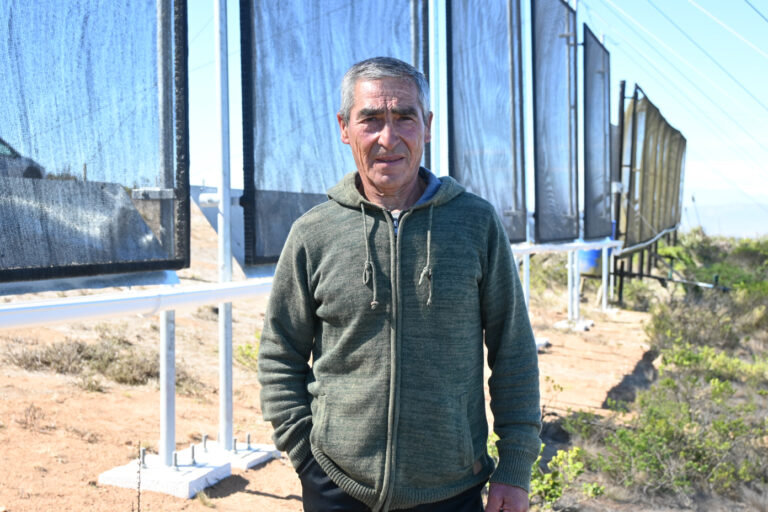
One of the project's longtime builders, Guido Rojas, has helped construct dozens of square meters of fog collection infrastructure since the initiative began.
FAO said the reserve's fog harvesting park is the largest in Chile and among the most significant in Latin America due to its scale and long-term operation.
The site has also become an educational destination. Since the fog catchers were first installed, about 7,000 visitors have toured the reserve to learn about nature-based approaches to water management.
"I hope we can continue to support the effort made by the community to show the world that things can be done," said Gustavo Carvajal, president of the Agricultural Community of Peña Blanca, as he watched over the panels installed on the hill.
*All photos by ©FAO/ Gabriel Marín.
Related articles
FAO highlights agrifood projects for climate and biodiversity goals