







Brazilian researchers sequence the acai genome for the first time
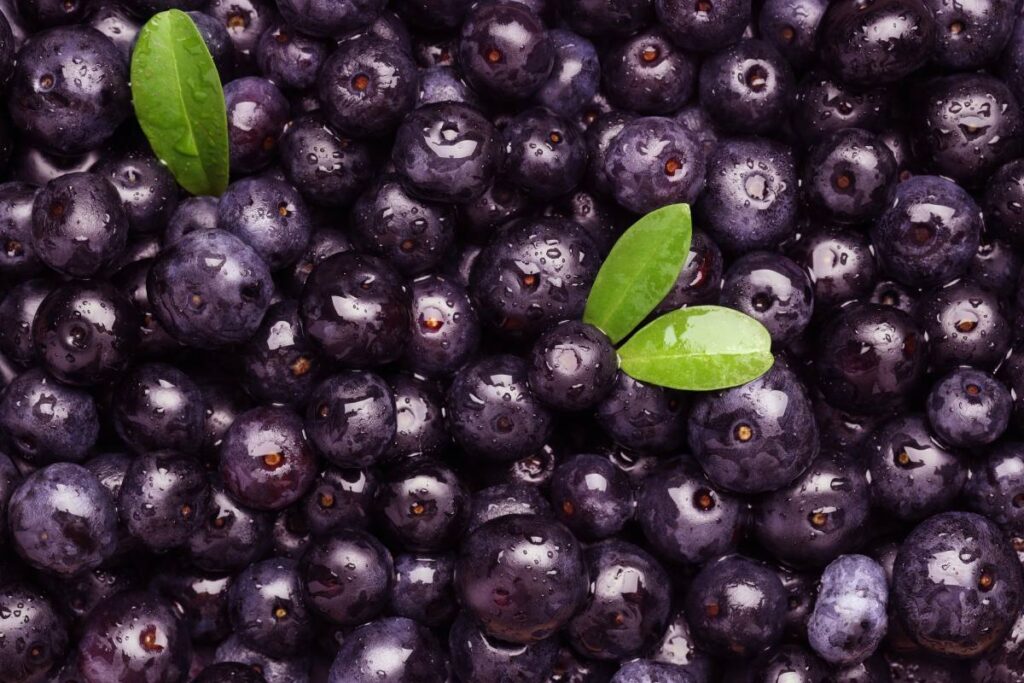



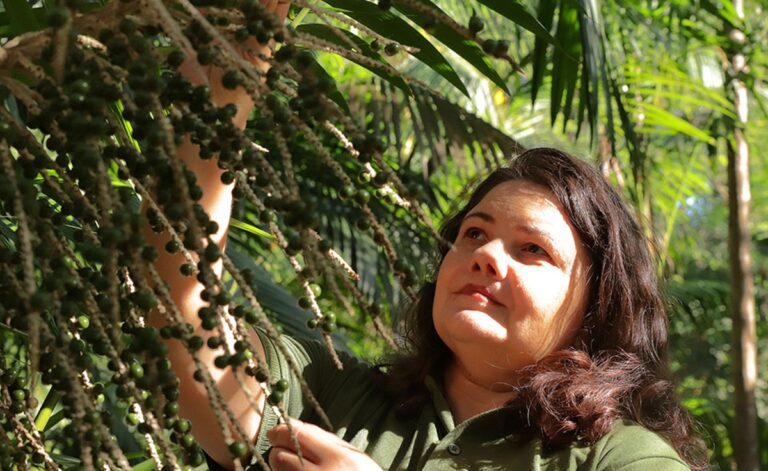
A team of Brazilian researchers from the Brazilian Agricultural Research Corporation (Embrapa Amazônia Oriental) and the Federal University of Pará (UFPA) sequenced the acai (Euterpe oleracea) genome for the first time.


The milestone will accelerate genetic improvement of one of the Amazon’s most emblematic fruits, opening new opportunities for the country’s food, pharmaceutical, and cosmetic industries.
According to a press release, this research will make it possible to identify the genes responsible for traits of agronomic interest more quickly, such as a higher yield, disease resistance, and higher anthocyanin content, the natural pigments responsible for the fruit’s color and known for antioxidant benefits. Furthermore, the study will help understand why the berry exists in different colors, such as the traditional purple variety and the so-called white variety.
Genetically improved acai
Elisa Moura, a researcher at Embrapa Amazônia Oriental, explained that the process of selecting desirable traits for future cultivars could be greatly accelerated, reducing the time for developing new acai varieties by up to three times.
This is a remarkable achievement, considering that Embrapa’s first variety of the fruit took 24 years to develop.
Currently, the breeding program also seeks to develop varieties better adapted to cultivation with less water, one of the research priorities for a berry that naturally grows in flooded forests.
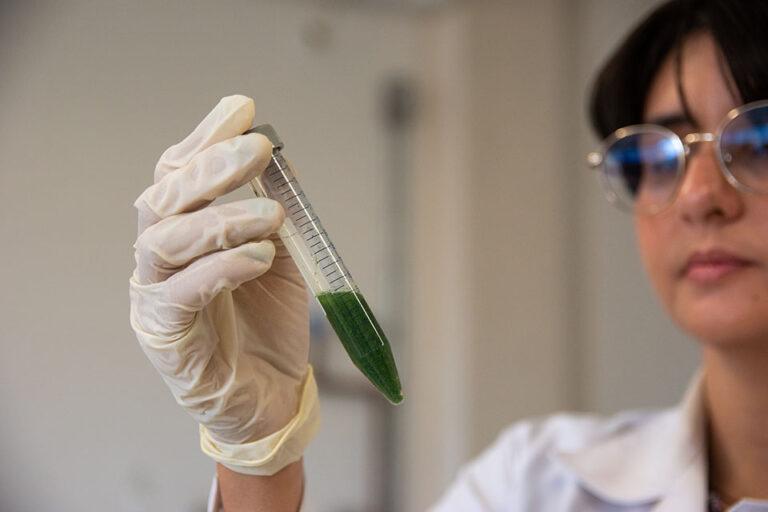
New opportunities for the Brazilian bioindustry
Beyond genetic improvement, the acai genome opens new possibilities for producing high-value-added compounds using microorganisms, such as bacteria or yeasts, in controlled laboratory conditions.
This strategy could reduce the direct extraction of plant resources and offer a more sustainable alternative to supply the pharmaceutical, cosmetic, and food industries.
The acai genome data will be publicly available to facilitate new research around this strategic crop for the Amazonian bioeconomy.
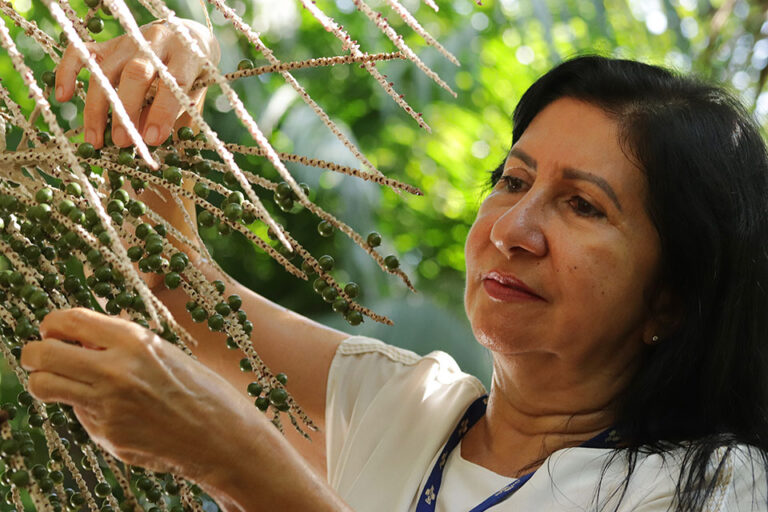
*Images by Ronaldo Rosa and Vinícius Braga - via Embrapa.
Related stories
Exclusive interview with Brazil's ambassador to Chile: “Fruit trade can grow a lot”










Subscribe to our newsletter