







New imaging tool looks to shape how we grow food in space
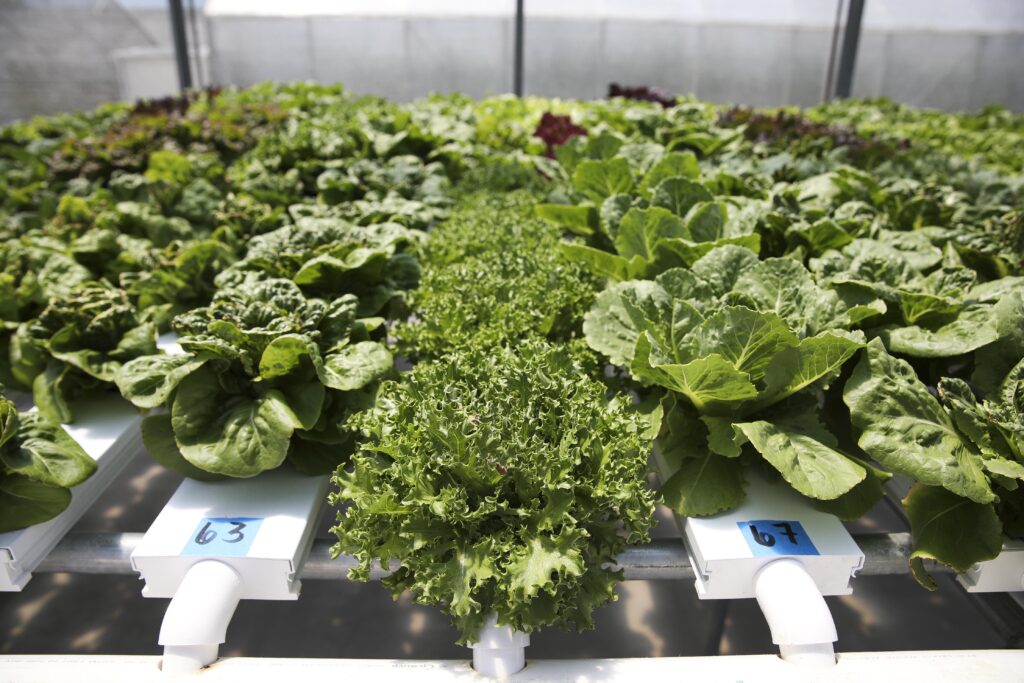



In a world where climate change continues to alter weather patterns, water availability—or lack thereof—can make or break a grower’s season. This is why scientists at the University of Florida Institute of Food and Agricultural Sciences (UF/IFAS), the US Department of Agriculture (USDA), and NASA joined forces to develop an imaging method to detect drought stress before the onset of early symptoms such as wilting or discoloration.


And this is not only an aesthetic problem, as water scarcity forces plants to alter their cellular chemistry just to survive, negatively affecting yields, fruit quality, and pest resilience.
The technology could help greenhouse growers and automated irrigation operators identify water stress early, allowing them to adjust their strategy and allocate resources appropriately before crop performance declines.
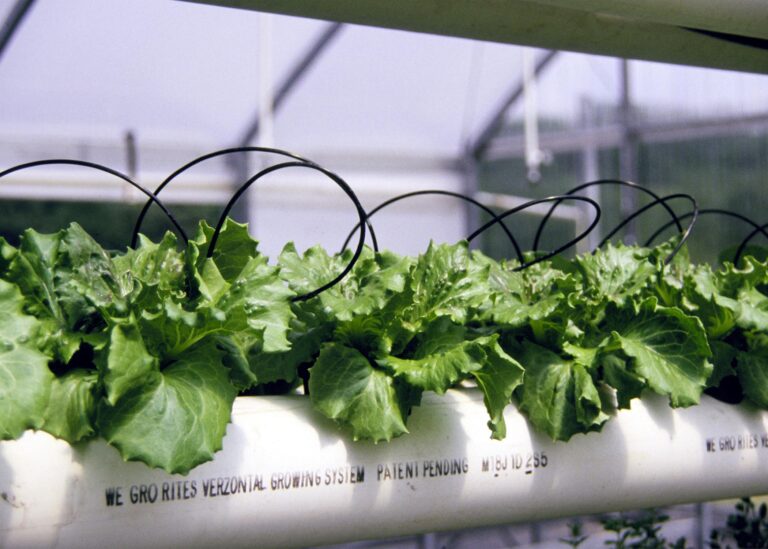
The system’s hyperspectral camera scans how leaves reflect light across wavelengths beyond human vision. This allows for detection of subtle physiological changes without cutting or damaging the plants.
The accompanying study found the system identified drought stress within a few days after watering was reduced and reached about 97 percent accuracy by day five. Researchers also reported that the technology performed consistently across multiple independent experiments.
Drought stress concerns go to infinity and beyond
The findings go past earthly problems. The team behind the study says the project could have potential applications for controlled-environment agriculture in future lunar and Mars missions, where crops must grow under tightly managed conditions and often without human oversight.
Such systems could play a role in space-based food production, where limited resources and the absence of backup growing conditions make early stress detection especially important.
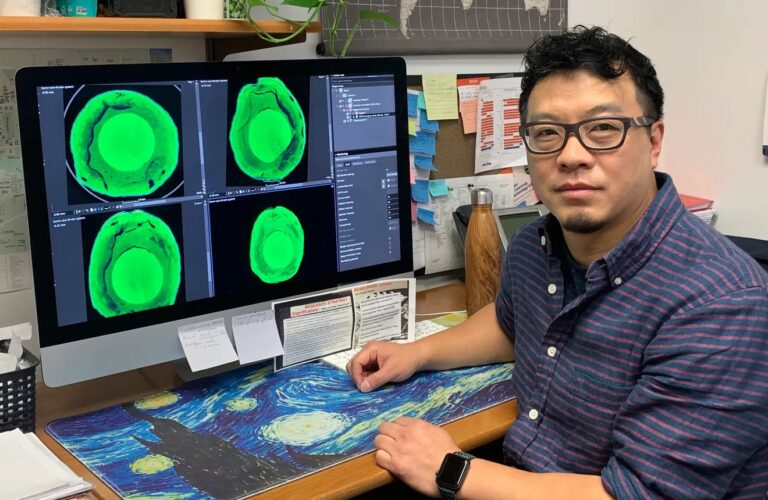
“By combining hyperspectral imaging with artificial intelligence, we hope to provide growers and space researchers with a non-destructive way to continuously monitor plant health, optimize water management, and improve crop resilience in environments where every resource counts,” said Tie Liu, UF associate professor of horticultural sciences.
*All photos courtesy of UF/IFAS.
Related stories




Subscribe to our newsletter