Hawaiian papaya growers face rising costs and weather pressure
 Add Fresh Fruit Portal to Google
In Hawaii’s Puna district, papaya growers know rain is part of the job. Too little can stop flowers from setting, while too much can damage developing fruit.
This year, they got both.
With below-average rainfall recorded for 11 out of 12 months, 2025 was the second driest year in Hawaiian history. This disrupted flowering before spring heavy rains brought new problems with fruit development and quality.
At the same time, and much like most agricultural producers in recent years, growers are contending with higher fertilizer and diesel costs, which is compounding the ultimate hurdle for islanders: the challenge of moving a delicate fruit over more than 2,500 miles to the mainland.
“We're clearly not a low-cost producer,” Eric Weinert, president of the Hawaii Papaya Industry Association, explained to FreshFruitPortal.com.
The statewide association has more than 100 members, most of them producing papayas in Puna on Hawaii Island. About 25 to 35 percent of the local production reaches the mainland, Weinert said, while the rest is sold in Hawaii, particularly in Honolulu and other local markets.
For growers, the economics are complicated by the fruit itself. The state imports the fertilizers used to grow the crop, while mainland-bound fruit must travel by sea or, in some cases, air.
Before shipment to the mainland, papayas also must undergo treatment for fruit flies. Weinert said vapor heat is the most common method, with only two treatment plants remaining in Hawaii.
Hawaiian papayas: A crop at the mercy of the weather
Papaya fields in Hawaii are dependent on natural rainfall. Puna receives between 150 and 200 inches of rain in a typical year, according to Weinert, and the crop generally does well in those conditions.
But weather patterns at the beginning of 2026 proved difficult.
“We had a drought six months before the winter, the last summer, which created a situation where the flowers didn't set; they just dropped,” Weinert said. “We're completely weather dependent. We have no irrigation systems in any of the fields,” he said.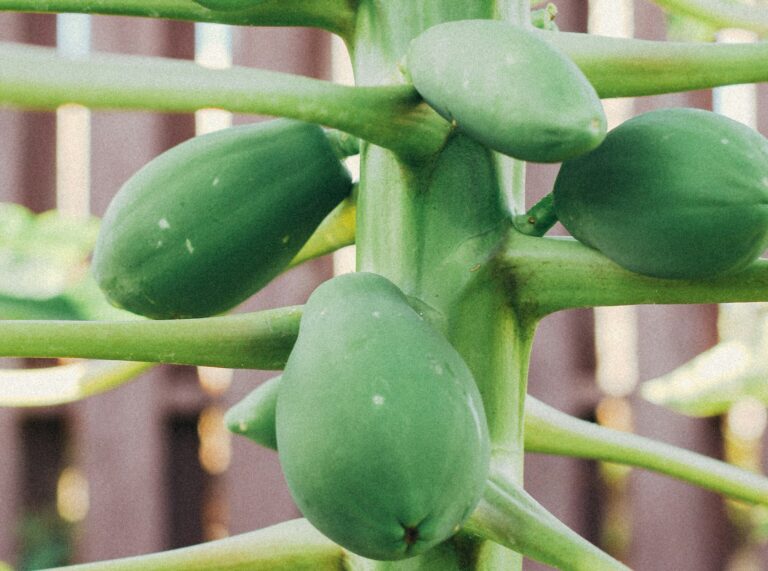
The effects were visible beyond the farm. Weinert operates Hawaii Papaya Direct, a B2C business that ships freshly picked fruit to mainland customers. During the three months affected by the poor conditions, he said the platform saw a sharp increase in complaints and refunds.
“Our amount of refunds and complaints during that three-month period was about triple what it normally is,” Weinert said.
There is little growers can do when conditions turn extreme. Hurricanes are an especially serious threat, as mature papaya plants can reach roughly 25 feet and are vulnerable to high winds.
The association keeps a large reserve of seeds so growers can replant quickly after a major weather event. Weinert said a previous hurricane destroyed roughly 40 percent of the industry’s plantings.
Unfortunately, the standard crop insurance used by most of the fresh produce industry offers little relief for Hawaiian papaya growers, he said.
“The way the farm insurance programs work in the United States just doesn't work for papaya. So most of our crops are uninsured. And it's because despite our many conversations with the federal government regarding crop insurance, they seem unable to design a program that's appropriate for our needs,” Weinert said.
A long way from the produce aisle
The scale of Hawaii’s papaya industry is another part of the equation. While production in some regions is built around large commercial operations, island growers typically work much smaller farms.
“Papaya farms are about three to 30 acres, and that's as big as they get,” the executive noted.
A new planting takes about a year to produce its first fruit, and growers can then harvest for roughly two to two and a half years before replanting.
That means producers have to absorb the costs of establishing a field well before the first harvest, while also navigating the price and weather risks that come with a crop that has a relatively short commercial life.
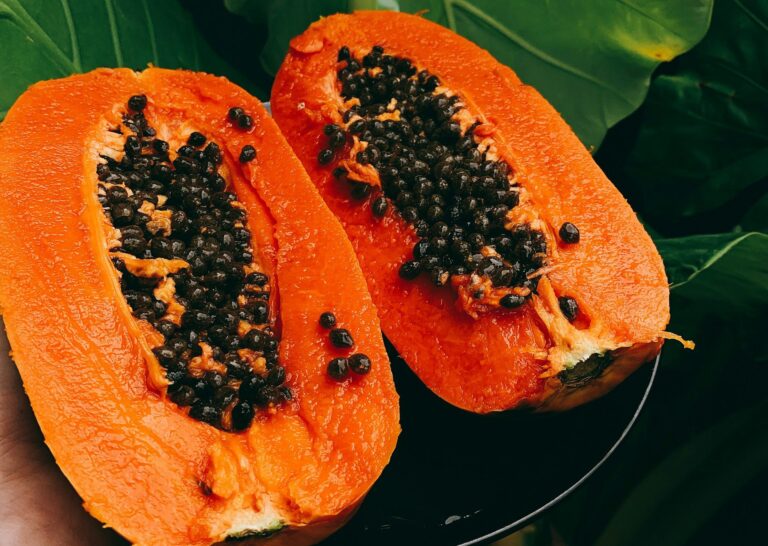
Still, Weinert said the association has seen increased seed sales for Rainbow papaya. The cultivar is somewhat larger than the traditional Solo papaya but retains what Weinert described as the original Solo flavor, a key feature that the industry leader traces back to the state’s unique volcanic soils.
“We've had people take our seeds and try to grow them elsewhere in the world, and the flavor is just not the same,” he said.
However, actually getting that flavor to consumers on the mainland is yet another challenge.
Although some air freight serves markets where established companies handle Hawaii papaya, most commercial shipments move by boat, causing their own set of issues, according to Weinert, as said costs continue to climb. The long haul is also not exactly gentle with the fruit.
For customers who specifically want Hawaii-grown fruit, direct shipping has provided another route around the traditional supply chain. Weinert’s Hawaii Papaya Direct uses FedEx second-day service to send freshly picked papayas to mainland consumers.
“That business has been growing at about 50 percent a year, every year for the last three or four years,” he said.
Traditional retail is more difficult. Weinert said the association provides information on its website about selecting, ripening and preparing papayas, but he sees limited interest among some produce managers in learning how to handle a relatively low-volume item.
“They are not interested in learning how to do it better. There are no incentives in it for them. That's not what makes them earn the money for their second home,” he said.
That has helped shape the association’s priorities. Rather than pursuing a broad consumer promotion campaign, the executive noted that growers continue concentrating on what happens in the field.
The association also has little interest in establishing a federal papaya research and promotion board. Weinert said the industry is too small and that growers believe generic papaya promotion would offer limited benefits to Hawaii producers.
For now, the work remains closer to the soil: helping small farms produce fruit that can survive a long journey across the Pacific while retaining the qualities that set Hawaii papaya apart.
“Our focus is in the fields, trying to really educate growers on how to make the best papaya possible and let the fruit speak for itself,” Weinert concluded.
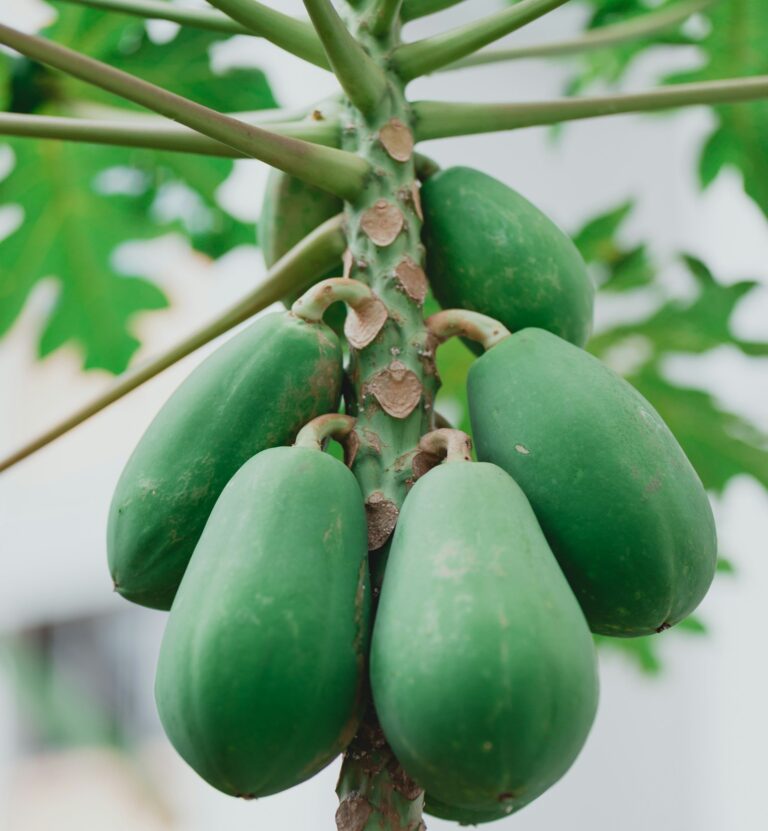
*All photos are referential via Unsplash.
Related stories
Papaya was fastest-growing tropical fruit in the U.K. in 2024