Agronometrics in Charts: Domestic blueberry season off to strong start despite regional challenges
 Add Fresh Fruit Portal to Google
Each week, the series ‘Agronometrics In Charts’ examines a different horticultural commodity, focusing on a specific origin or topic and visualizing the trade market factors driving change. Check out our entire archive.
The 2026 domestic blueberry season is well underway, with growers across the country harvesting fresh fruit as production shifts from the Southeast to the Pacific Northwest. While weather-related setbacks affected some early-season growers, overall shipments have increased compared with the same period last year, reflecting a strong national supply.
More than 90 percent of US fresh blueberry shipments occur between April and August. The harvest begins in the Southeast during spring before moving northward as temperatures warm, with the Pacific Northwest becoming the primary production region during the summer months. Washington, Oregon, Georgia, and California accounted for nearly three-quarters of US cultivated blueberry production in 2025, highlighting their importance to the domestic fresh market.
According to USDA Agricultural Marketing Service movement data, US fresh blueberry shipments through mid-July (week 29) were higher than during the same period in 2025, despite production challenges in several growing regions.
Florida
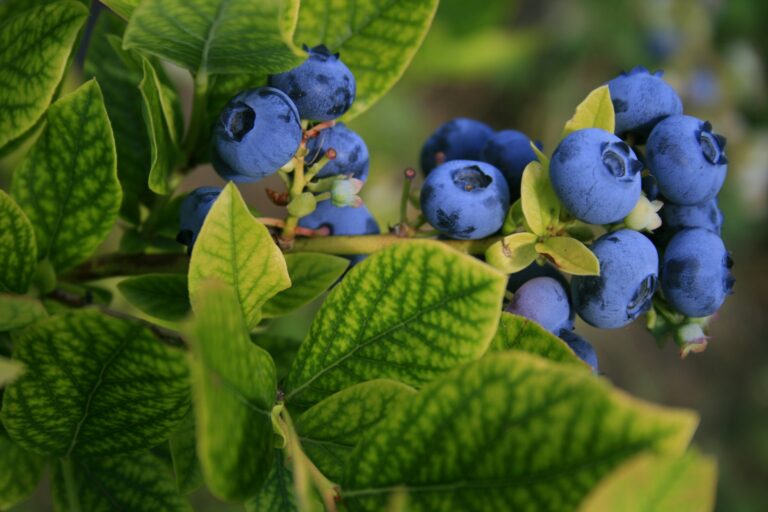
Florida traditionally kicks off the domestic blueberry season, with fresh berries available from March through June. However, the state experienced a difficult start in 2026, as shipments fell 56 percent compared with the previous year. Widespread freezing temperatures brought by Winter Storm Gianna in late January and early February damaged blueberry crops across the state, significantly reducing early-season production and limiting supplies.
Georgia
Georgia's season provided a much brighter outlook. Fresh blueberry shipments began in mid-April and concluded in mid-July, ending approximately 19 percent higher than in 2025. Dry weather throughout the growing season helped minimize the disease and pest pressures that often challenge growers in Georgia's warm, humid climate, resulting in improved production and fruit quality.
 Washington
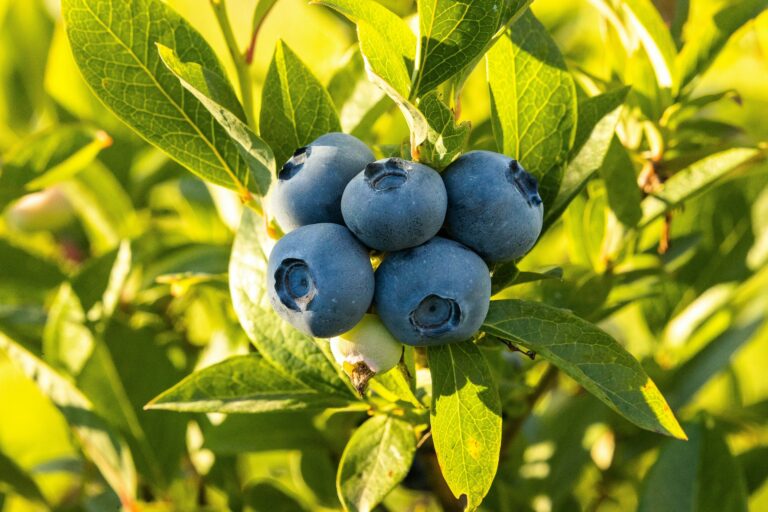
Harvest activity in the Pacific Northwest began in mid-June, with Washington State reporting a particularly strong start. Early-season shipments through early July were ahead of last year's pace, supported by favorable growing conditions and lower pest pressure than in previous seasons. Weekly crop reports indicate fruit quality has been good to excellent, with growers noting firm berries despite some reports of smaller fruit sizes.
Oregon
Oregon growers have faced a more challenging season. Through mid-July, fresh blueberry shipments were below the levels recorded during the same period in 2025. Unseasonably warm temperatures in the Willamette Valley accelerated fruit ripening, shortening the harvest window. At the same time, growers have dealt with increased populations of spotted wing drosophila (SWD), an invasive fruit fly that targets soft-skinned fruits such as blueberries and cherries, adding to production challenges.
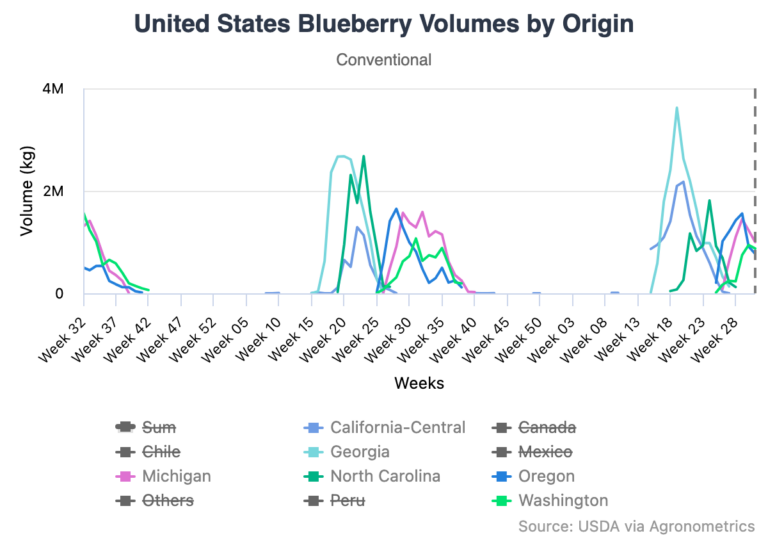
Source: USDA Market News via Agronometrics.
US blueberry season outlook
Despite regional differences, the overall outlook for the 2026 US blueberry season remains positive. Strong performances from Georgia and Washington have helped offset weather-related losses in Florida and production challenges in Oregon. With the majority of domestic shipments occurring through August, consumers can expect an ample supply of fresh US blueberries during the remainder of the summer.
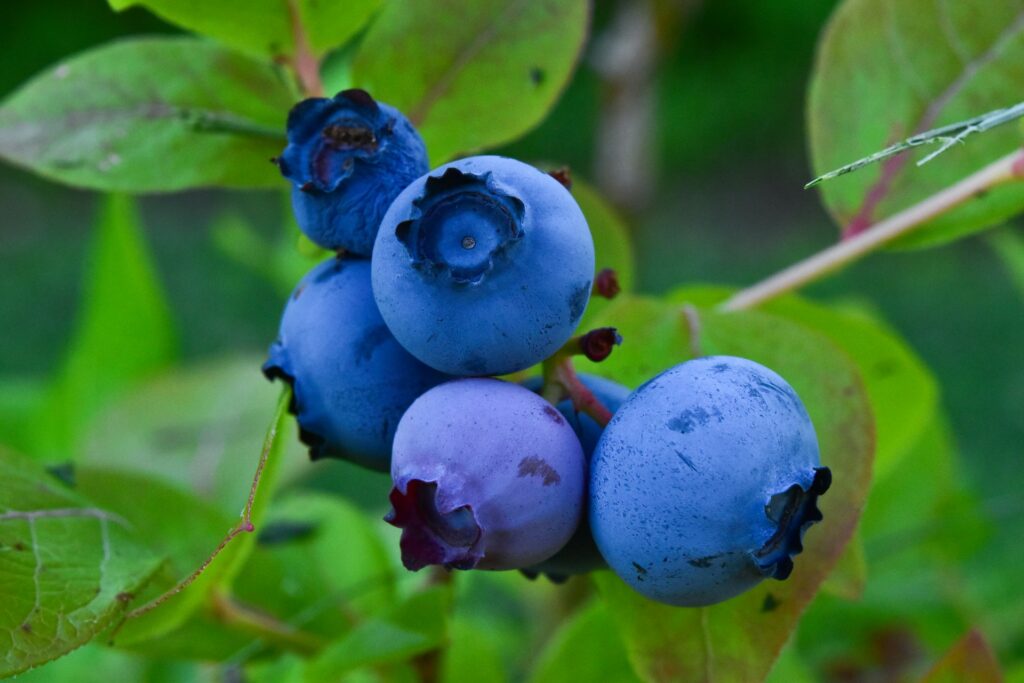
*Main image is referential via Unsplash | Graphs courtesy of Agronometrics
Related stories
Oregon blackberries capitalize on favorable season and fresh market window