US fresh fruit exports to Singapore rise to $36M on premium produce demand

 Add Fresh Fruit Portal to Google
High disposable incomes and a growing appetite for premium produce are creating expanded opportunities for United States fruit growers in Singapore, according to a new report from the US Department of Agriculture’s Foreign Agricultural Service (FAS).
American producers exported $36.4 million in fresh fruit to the Asian island country in 2025, marking a six percent year-on-year increase. The positive numbers have propelled the US up the supplier podium, becoming Singapore’s fourth-largest fresh fruit provider with a six percent market share. It trails only regional heavyweights China, Malaysia, and Australia.
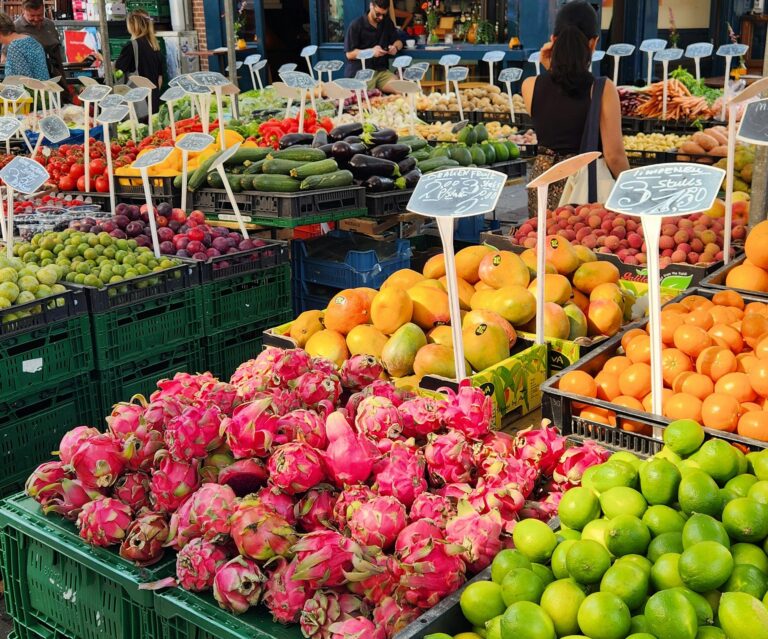
Singapore’s premium appetite
Because Singapore relies on imports for roughly 90 percent of its food needs, the city-state serves as an open, duty-free market under the US-Singapore Free Trade Agreement.
With one of the world's highest GDPs per capita ($98,814), Singaporean buyers prioritize quality, food safety, and premium flavor over base commodity pricing.
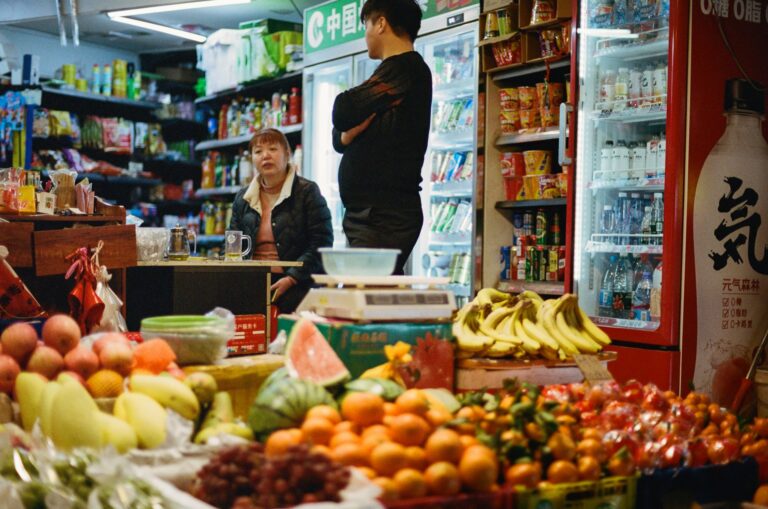
According to FAS, the strongest growth opportunities for US suppliers center around high-value seasonal crops such as stone fruit, table grapes, berries, and citrus.
Alongside fresh produce, US tree nut exports to Singapore rose sharply, climbing 47 percent year-on-year to $31 million. Almonds, pistachios, and walnuts led the surge, the assessment notes.
A competitive market
While the outlook for US specialty crops is bright, the report warns that exporters face sharp competition from regional competitors.
Suppliers like Malaysia and China widely benefit from proximity and lower freight costs. But FAS emphasizes that US shippers can maximize Return On Investment (ROI) by adequately timing shipments.

“Retail promotions, gifting periods, holiday demand, and food service use can produce sharp seasonal peaks,” the report advises.
Produce shippers often grapple with consumer education and category building for specialty products. However, because of its highly multicultural society, Singaporeans are much more open to lesser-known offerings, and the country often serves as a trendsetting culinary hub for neighboring markets.
“Chinese, Malay, Indian, Western, and other culinary traditions coexist, creating demand for a broad range of meats, fruits, dairy products, snacks, ingredients, and convenience foods,” the document says.
*All images are referential via Unsplash.
Related stories
Growing Thai demand for premium fruit brings opportunity for US growers