Chilean hazelnut sector projects potential 30 percent production drop due to rain

 Add Fresh Fruit Portal to Google
Heavy rains hit central and southern Chile in July and August, leading to soil saturation while pollination in European hazelnut orchards is in full swing. According to specialists from the country’s Agricultural Research Institute (INIA), the impact could reduce European hazelnut production by 30 percent in the upcoming season.
INIA Quilamapu Regional Center researcher Jorge Retamal explained that excess water in the soil increases the risk of root diseases, including Phytophthora, a common microorganism that uses water accumulation to move and infect plant roots.
The pathogen settles inside the plant and colonizes tissues where phytosanitary products are less effective, making management difficult.
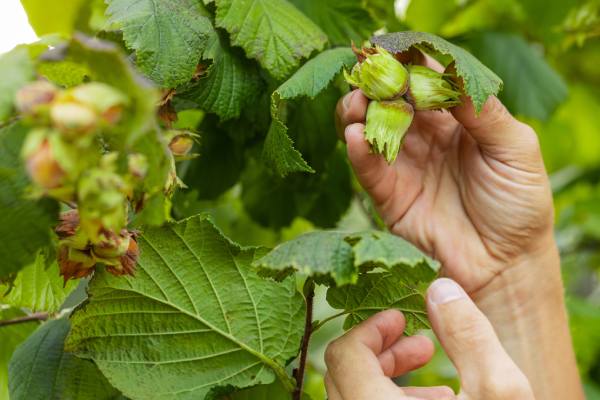
Image by Shutterstock
Retamal recommended avoiding keeping soil flooded for more than 48 hours, for which it’s fundamental to perform physical and chemical studies, understand soil infiltration capacity, design proper drainage, and avoid areas with permanent waterlogging.
The impact of excess rain in hazelnut production
The researcher said that the main problem with rainfall this season was timing, as it occurred during crop flowering.
Hazelnut relies mainly on wind to fertilize flowers, so when rain hits during this period, pollen falls to the ground and becomes unusable, significantly reducing fertilization and consequently fruit production.
This year, rainfall coincided with the peak pollen period, leading to a decreased crop projection.
"The practical consequence is major, since a pollination failure in July of this year does not manifest as flower drop, but as blank nuts during the February-March 2027 harvest," Retamal said.
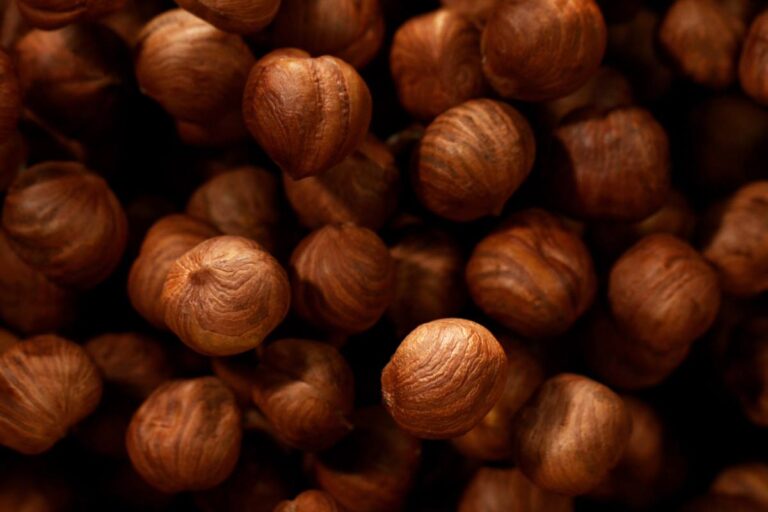
Image by Shutterstock
Moreover, the sector faces frost risk, which could further compromise yields. In this context, orchard location is strategically important, as coastal orchards could struggle to accumulate the required cold hours. Meanwhile. regions with higher rainfall, especially from La Araucanía southwards, face increasingly limited pollination as well as interrupted harvest and post-harvest operations.
In Retamal’s opinion, this makes it especially critical to advance specific agroclimatic zoning for the European hazelnut.
"Having this information will better guide the establishment of new orchards, reduce production risks, and strengthen competitiveness against the effects of climate change," he said.
*All images are referential
Related stories
Chilean cherry sector urges caution as growers weigh switch to hazelnuts