








El Niño might cut Peruvian pomegranate yields by 30 percent



Writing and reporting by Macarena Bravo | Lee este artículo en español


Peruvian pomegranate growers could be looking at a sharp yield reduction this year, as the El Niño threat continues to loom on the horizon.
EGA Agroindustrial SAC partner Aldo Foster told FreshFruitPortal.com that pomegranate production at the company declined about 30 percent during a previous El Niño event. He expects the upcoming season to face similar or greater pressure.
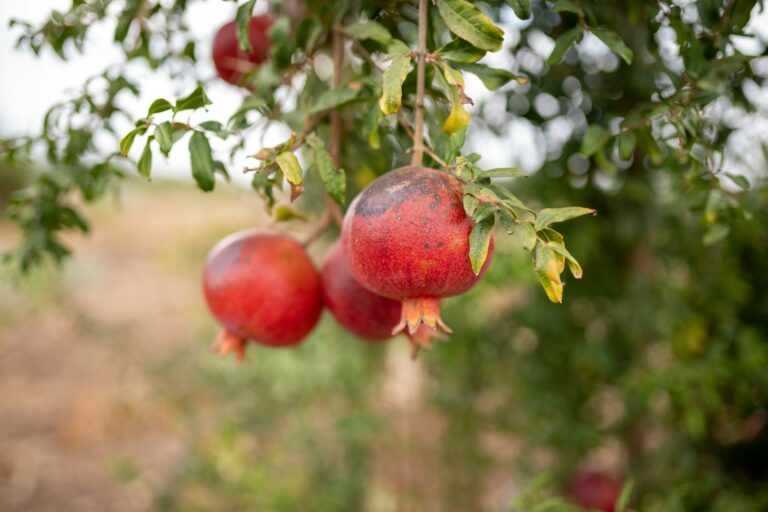
He noted that temperatures have risen well above normal levels in parts of Peru’s coastal production areas. This is particularly damaging for pomegranates, as they require winter chill hours to flower adequately.
“Temperatures are rising by between 4.5 and 5.4 degrees Fahrenheit compared to normal levels, a situation that could affect the crop’s development,” he said.
Peruvian pomegranate growers sprang to action
Southern Peruvian pomegranate production areas such as Arequipa and Tacna currently face less severe temperature changes than other coastal regions, according to Foster. He expects those areas to experience a smaller impact and help support Peru’s overall supply.
In response to the weather outlook, EGA Agroindustrial has begun applying products intended to accelerate dormancy break and has moved its agronomic management program forward by about one month.
“This strategy aims to bring forward flowering to reduce the crop’s exposure to the most unfavorable weather conditions. The expectation is that flowering will begin between mid-September and October, although the outcome will depend on the plants’ response and temperature trends,” he said.
Foster cautioned that agronomic tools have limited effectiveness when weather conditions become extreme.
He also said the increasing frequency of disruptive weather events requires producers to plan for climate risks over the longer term rather than treat El Niño as an isolated occurrence.
The executive said prevention will be key to help producers reduce future losses and improve their response to extreme weather.
“A long-term strategy for the agricultural sector must complement these types of initiatives. The goal is for producers and companies to be better prepared for a scenario in which extreme weather events could occur more frequently,” he said.
*Images are referential via Unsplash.
Related stories
Peruvian pomegranate industry projects closing a challenging season with up to 25 percent growth







Subscribe to our newsletter