


Weather disruptions delay mango season in Australia
 Add Fresh Fruit Portal to Google
The ripening and market availability of mangoes in some major Australian producing areas have been significantly delayed due to abnormal weather conditions.
In the north, rainfall has delayed blossoms, with local growers reporting that this year's season started later than in any year since 2008. Historically, the region’s fruit would gradually flood southern city markets starting in September, but this year the initial supply is relatively limited.
While a small quantity of the fruit is already available in the Melbourne market, a truly stable, large-scale supply is still some time away.
Not a mango shortage, a slight delay
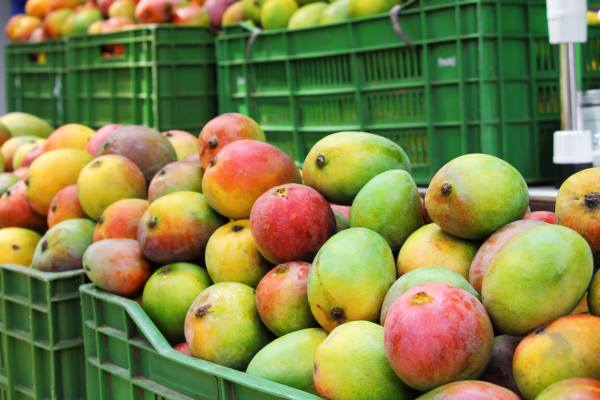
However, the current situation cannot be simply interpreted as a shortage. The problem primarily stems from a delayed market entry of the northern production, rather than a confirmed significant reduction in production.
The latest forecasts indicate that the country’s national mango production for 2026-27 is estimated at approximately 8.2 million 7-kilogram boxes. Darwin is the variety with the biggest market share (2.3 million boxes), followed by Katherine (2 million), Bowen/Burdekin (1.6 million), and Mareeba/Dimbulah (1.8 million). Remaining production areas include South East Queensland and Western Australia.
The industry anticipates that while the Northern Territory supply is late, some Queensland production areas will actually arrive slightly earlier than normal, potentially leading to overlap in supply between the two regions. Market supply is expected to stabilize again from October to the summer.
Prices might be more volatile this season
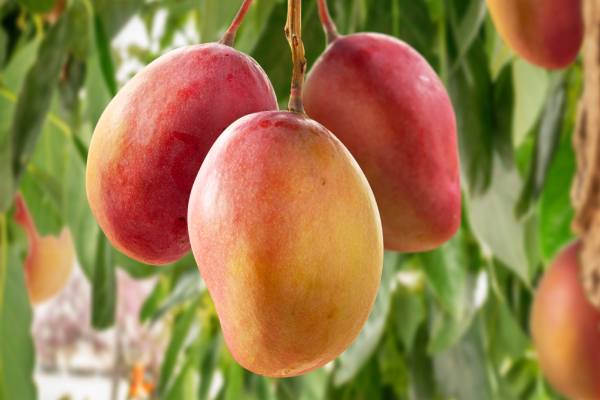
Weather remains the biggest variable. Heavy rainfall in the Northern Territory delayed flowering, and growers now need to be wary of high temperatures, as a heatwave during this crucial period could affect fruit set and reduce the final yield.
The good news is that early-season mangoes currently entering the Melbourne wholesale market show good quality, and industry insiders maintain a relatively positive outlook for the overall campaign.
The peak supply of Australian mangoes is normally concentrated between October and December, with the Northern Territory leading the way, followed by Queensland and Western Australia. Therefore, the high prices and limited supply consumers are currently experiencing may not necessarily last throughout the summer.
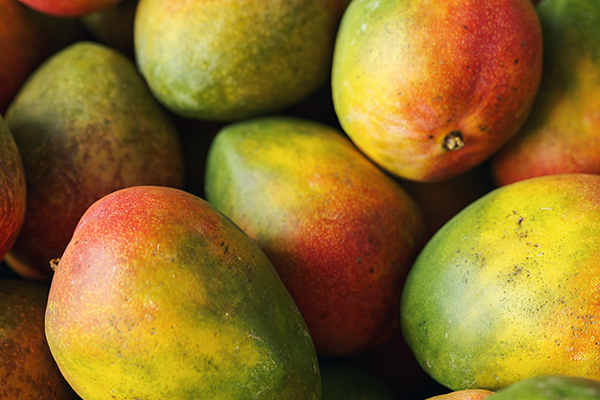
In early September, the Australian fresh produce industry predicted that while the new mango season had begun to hit shelves, a stable supply would take about another month. As the Northern Territory harvest gradually increases, Queensland mangoes will enter the market, with October to the end of the year being the best time to buy them.
However, due to this year's delayed season and the possibility that subsequent weather conditions could still affect production, the specific retail price will depend on weekly arrivals.
This story was originally published on ChinaFruitPortal.com
*All images are referential via Shutterstock.
Related stories